
How to Choose Between Group Classes and Solo Workouts
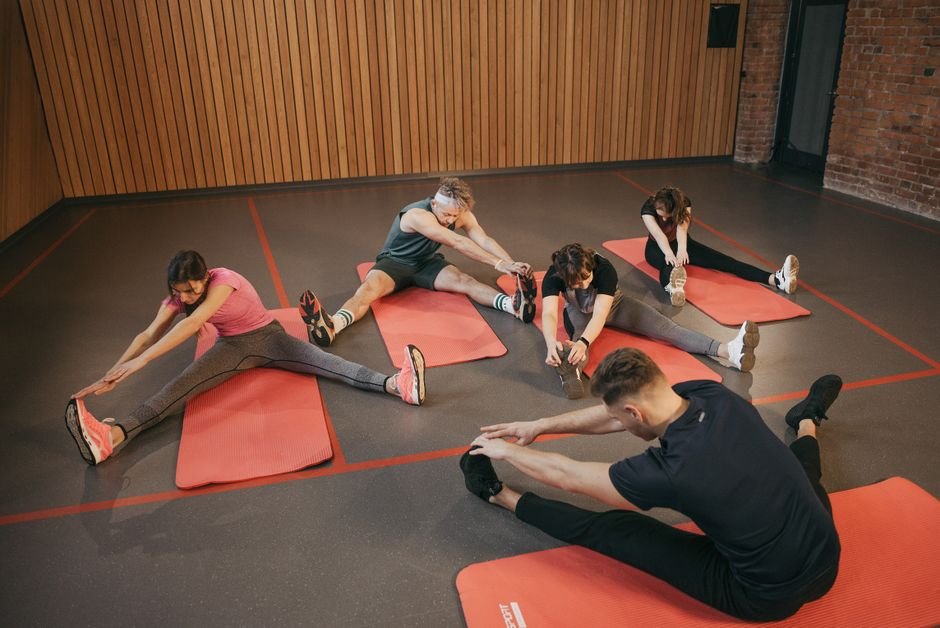
Group classes and solo workouts solve different problems, so the better choice depends on which one you actually struggle with — showing up, or knowing what to do once you’re there.
What group classes offer
A set class time creates a commitment that’s harder to skip than an open-ended plan to “work out later.” Showing up is easier when other people are expecting you, even if that expectation is just an instructor taking attendance. Classes also remove the guesswork: the format, pacing, and exercise order are already decided, which is useful for anyone who finds a blank gym floor more paralyzing than motivating.
The tradeoff is less control. A class moves at a pace set for the group, not for your joints or your energy that day, and modifications depend on how closely an instructor is watching the room. In a large class, that attention is limited.
What solo workouts offer
Training alone means the pace, exercise selection, and rest periods are entirely yours. That flexibility matters if you’re working around an injury, a tight schedule, or a specific goal that a general class isn’t built for — building grip strength, say, or working through a rehab progression. It also removes any self-consciousness about being watched, which keeps some people from ever trying a class in the first place. The tradeoffs mirror the bigger decision of choosing between a home gym and a commercial gym — control and flexibility on one side, structure and equipment on the other.
The cost of training alone is that all the planning and accountability sit with you. Without a set time and a room of people, sessions are easier to skip, and it’s easier to keep repeating the same comfortable exercises instead of the ones that would help.
A practical way to decide
Ask which side of the equation you struggle with:
- If skipping workouts is the real problem, a class’s fixed schedule and social pressure solves more than a perfect solo plan would.
- If showing up isn’t the issue but you’re unsure what to do once you’re there, a few sessions with a trainer to build a template, followed by solo workouts using that template, often works better than a general class.
- If you’re managing an injury or a condition your doctor or a physical therapist is tracking, solo sessions built around their guidance usually beat a class that can’t modify for one person.
Plenty of people end up doing both — a class for the accountability and variety, solo sessions for the things a class doesn’t cover, like a specific weak point, or the low-energy days covered in what helps with motivation on low-energy days. There’s no rule that says it has to be one or the other. The format that gets you moving consistently is the right one, and that answer can change as your schedule and goals do.
It’s also worth trying a format before ruling it out. A single drop-in class or a couple of weeks of solo training gives a much better read on fit than guessing from the outside — what looks intimidating or boring on paper often lands differently once you’re in it.