Common Mistakes People Make Applying Sunscreen Too Thin
Most people apply sunscreen too thinly to get the protection on the label; here’s how much to use, where people miss, and when to reapply.

Discover expert beauty tips, skincare routines, and treatment guides to help you achieve healthy, glowing skin. From natural skincare for oily skin to understanding cosmetic treatments like lipo laser recovery, explore science-backed advice for your beauty routine.
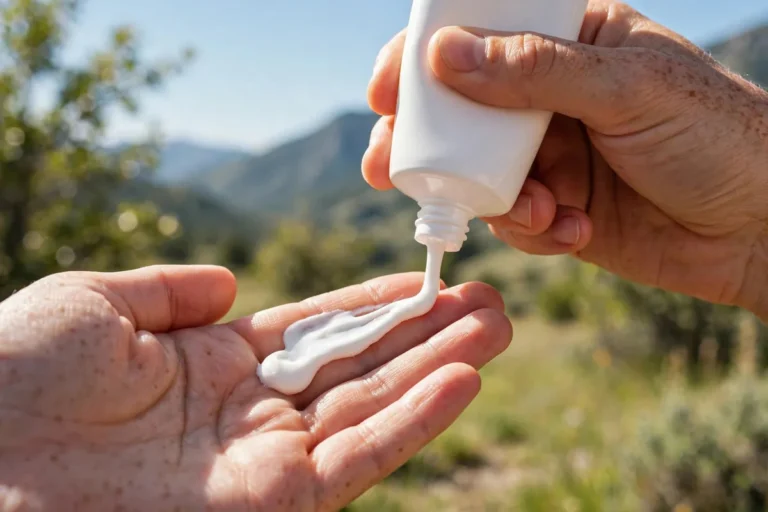
Most people apply sunscreen too thinly to get the protection on the label; here’s how much to use, where people miss, and when to reapply.
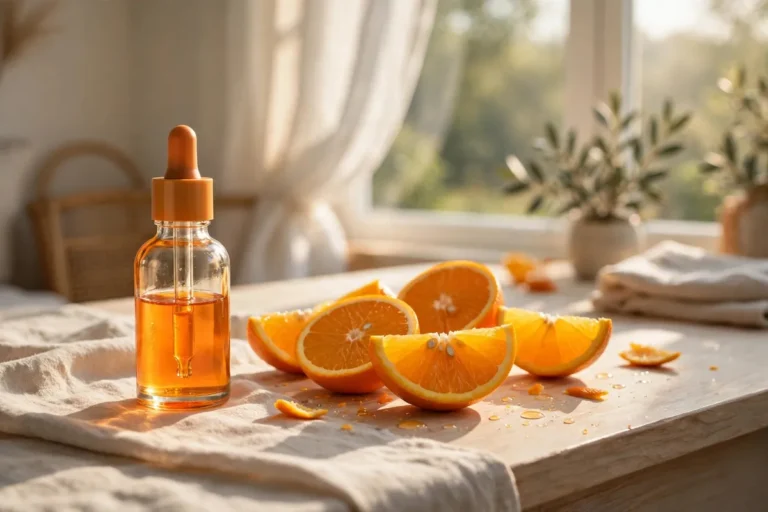
Vitamin C serum is an antioxidant that supports sunscreen and may even out tone over time, but only while it’s fresh, so storage matters.
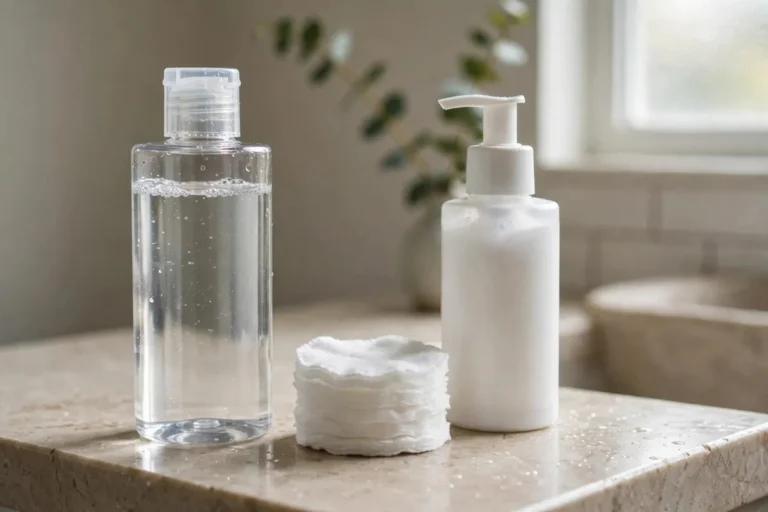
Micellar water is a gentle no-rinse cleanser that works well as a first step or on easy days, but it has limits a rinse-off cleanser doesn’t.
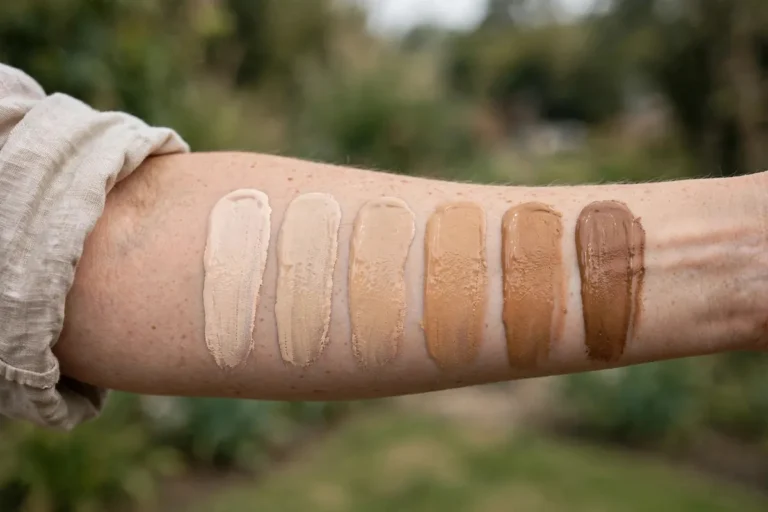
Knowing your undertone and depth, and starting from a shade you already own, makes choosing a foundation shade online far more reliable.
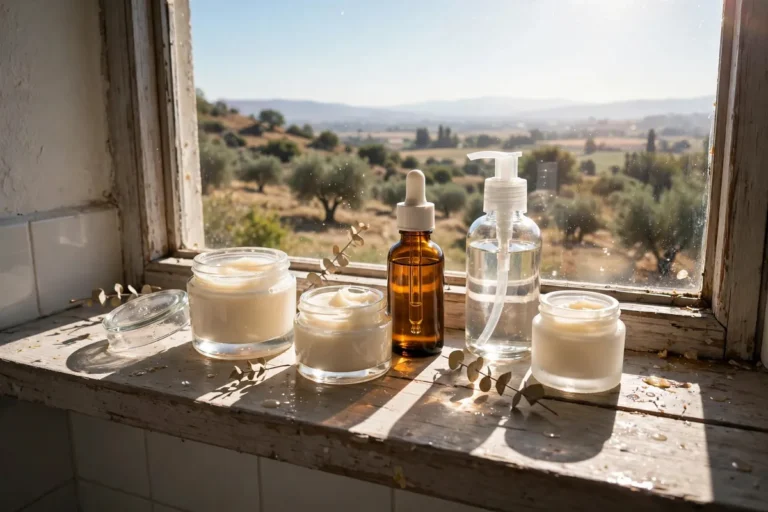
Heat, light and air are what shorten a skincare product’s life, and a few storage habits keep them from doing damage.
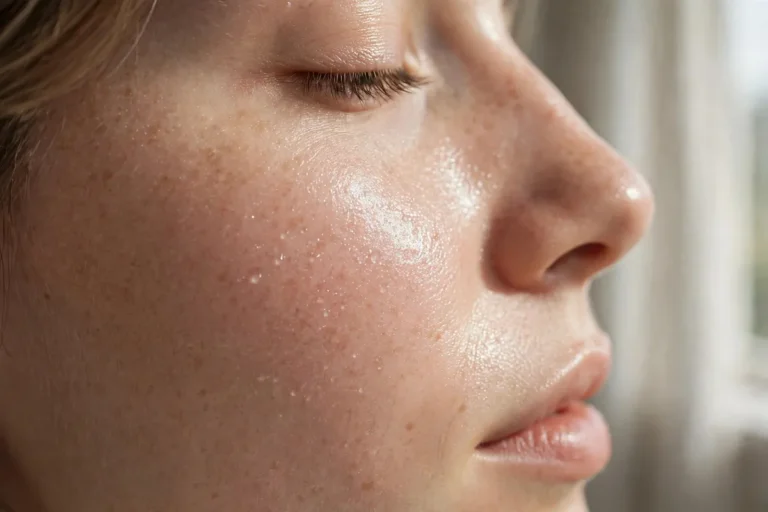
Ceramides are fats that help hold the skin’s outer layer together, which is why they appear in moisturizers aimed at dry or easily irritated skin.
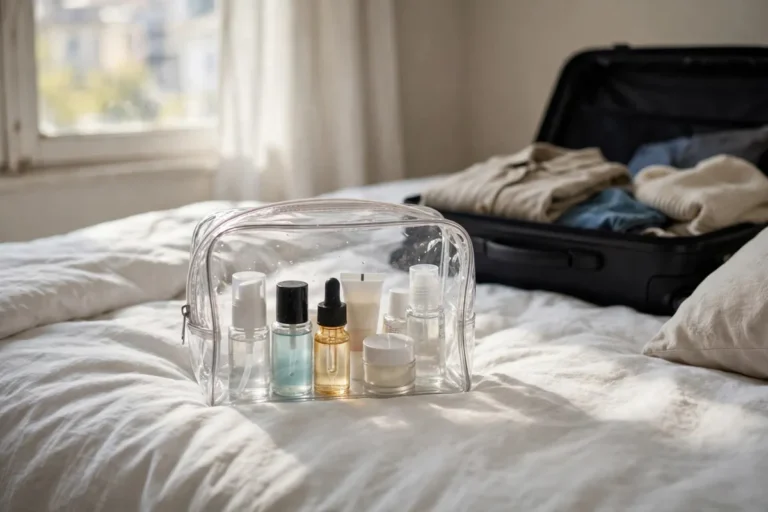
A travel skincare routine should be smaller than your usual one: a few familiar products, used consistently, with sunscreen doing the heavy lifting.

Lips burn easily and are often missed by regular sunscreen, so a lip balm with SPF is one of the simplest sun habits worth keeping.
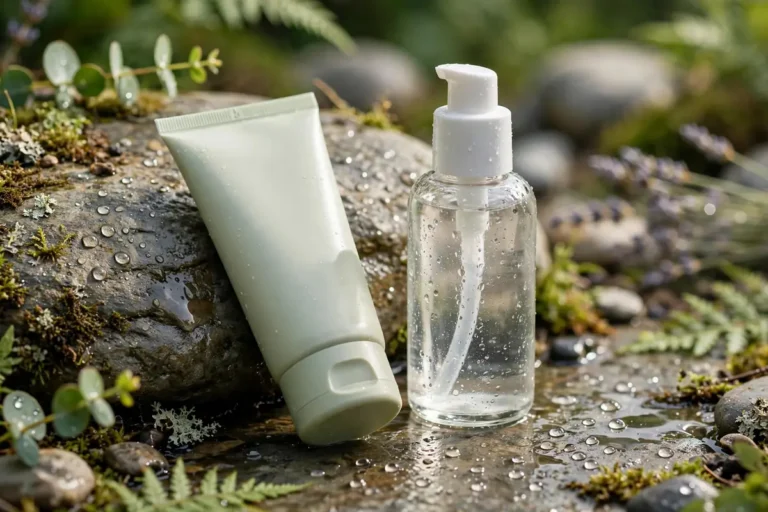
Physical exfoliants rub dead cells away while chemical exfoliants loosen them; skin type and sensitivity should decide which one, if either, you use.
Hyaluronic acid is a humectant that draws water into the skin’s surface; applying it to damp skin and sealing it with moisturizer makes the difference.
End of content
End of content