Best foods for weight loss
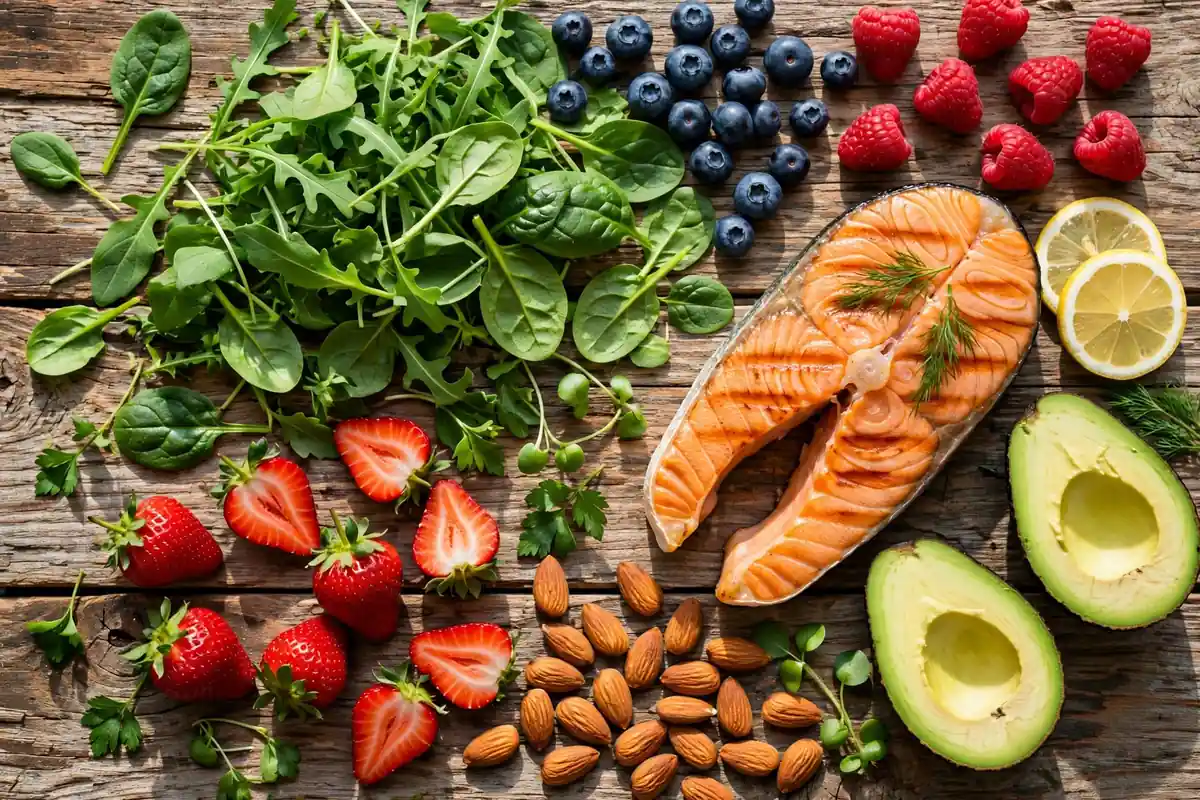
Not all food is equal when it comes to losing weight. Some foods keep you full for hours. Others leave you hungry again in 30 minutes. Knowing the difference is half the battle.
This guide breaks down the best foods to eat for weight loss, the best snacks, the best breakfast options, what to juice, what to order when eating fast food, and how to track it all. Every recommendation here is backed by real research from Harvard, the Mayo Clinic, and the National Institutes of Health.
What Makes a Food Good for Weight Loss?
Before listing foods, it helps to understand why certain foods work. The best food for weight loss has three things in common.
First, it keeps you full. Foods high in protein and fiber take longer to digest. They keep hunger away longer.
Second, it has a low energy density. This means you get a large portion for fewer calories. Think vegetables and fruits. You eat more volume. You feel full. But you consume fewer calories.
Third, it supports your metabolism. Some foods like protein actually cost your body more energy to digest. This is called the thermic effect of food. Protein has the highest thermic effect of any macronutrient.
Harvard T.H. Chan School of Public Health research from 2025 confirms that the quality of what you eat matters more than just counting calories.
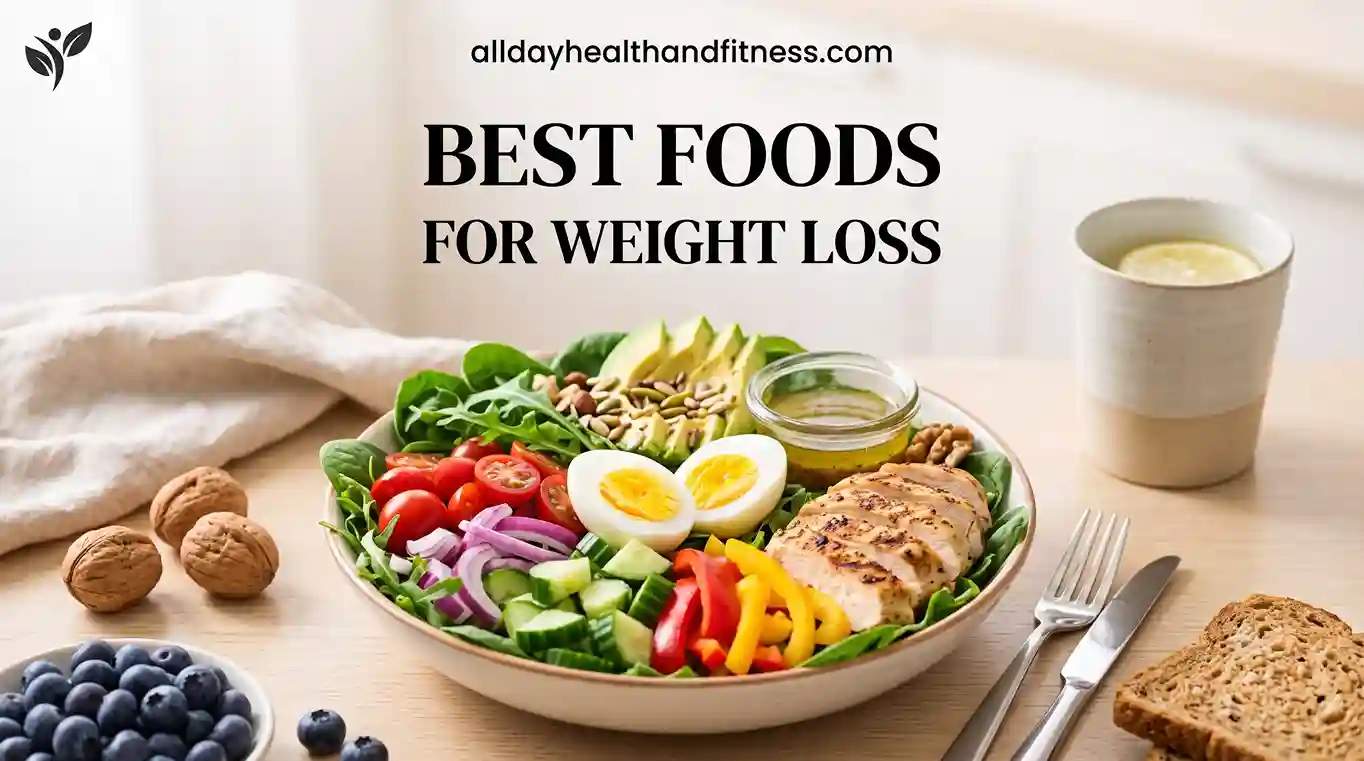
Best Foods to Eat for Weight Loss
Here is the real list. These are the foods that science consistently backs.
1. Eggs
Eggs are one of the best foods for quick weight loss. One egg has 6 grams of protein and only 70 calories. Studies show that eating eggs at breakfast reduces calorie intake for the rest of the day. A study published in the International Journal of Obesity found that people who ate eggs for breakfast lost 65% more weight than those who ate a bagel with the same calories. Eggs keep you full. They are cheap. And they are easy to cook in dozens of ways.
2. Chicken Breast
Lean chicken breast is one of the top best protein foods for weight loss. It has almost no fat and about 31 grams of protein per 100 grams. Protein raises satiety hormones like peptide YY and GLP-1. It lowers the hunger hormone ghrelin. According to the Mayo Clinic, lean poultry like skinless chicken and turkey breast should be a regular part of any weight loss diet.
3. Greek Yogurt
Greek yogurt is thick, creamy, and packed with protein. A single cup has up to 20 grams of protein. It also contains probiotics, which support gut health. A healthy gut microbiome has been linked to better weight control in multiple NIH-supported studies. Choose plain, unsweetened Greek yogurt. Flavored versions often hide large amounts of added sugar.
4. Salmon and Fatty Fish
Salmon is loaded with omega-3 fatty acids and high-quality protein. Omega-3s reduce inflammation in the body. Chronic inflammation is one reason many people struggle to lose weight. A review published in Nutrients found that omega-3 supplementation significantly reduced body fat in overweight individuals. Other fatty fish like mackerel, sardines, and tuna offer the same benefits at a lower cost.
5. Legumes
Beans, lentils, and chickpeas are some of the most underrated foods for weight loss. They are high in protein and high in fiber. One cup of cooked lentils has 18 grams of protein and 16 grams of fiber. That combination keeps blood sugar stable and hunger low for hours. A meta-analysis in the American Journal of Clinical Nutrition found that eating legumes regularly led to significantly greater weight loss compared to control diets.
6. Leafy Greens
Spinach, kale, arugula, and Swiss chard are low in calories and high in nutrients. You can eat a massive bowl of leafy greens for under 50 calories. They add volume to your meals without adding weight to your body. They are also rich in vitamins A, C, and K, plus iron, calcium, and magnesium. Harvard recommends filling at least half your plate with vegetables and fruits at every meal.
7. Whole Grains
Brown rice, oats, quinoa, and whole wheat bread are better than their refined versions. Refined grains like white bread spike blood sugar fast. Whole grains digest slowly. They keep energy levels stable and reduce the urge to snack between meals.
Oats are especially good. They contain beta-glucan, a soluble fiber that slows digestion and keeps you full. Research from the British Journal of Nutrition shows that eating oats at breakfast reduces calorie intake at lunch.
8. Avocado
Avocado contains healthy monounsaturated fats and fiber. it may seem counterintuitive to eat fat to lose fat. But the fat in avocados slows digestion and keeps hunger away. A study published in Nutrients found that people who added half an avocado to their lunch felt 23% more satisfied and had less desire to eat for five hours afterward.
9. Berries
Strawberries, blueberries, and raspberries are sweet, satisfying, and low in calories. One cup of strawberries has only 49 calories but 3 grams of fiber. Berries also contain antioxidants that reduce oxidative stress in fat cells. They are one of the best foods for protein and weight loss when paired with Greek yogurt or cottage cheese.
10. Green Tea
Green tea is not just a drink. It is a metabolic tool. It contains caffeine and EGCG (epigallocatechin gallate), a compound that boosts fat burning. A meta-analysis in Obesity Reviews found that green tea increased fat oxidation by about 17% during exercise. Drink one to three cups daily, without sugar, for best results.
Best Breakfast Foods for Weight Loss
Breakfast sets the tone for the entire day. A high-protein, high-fiber breakfast controls hunger hormones for hours. People who skip breakfast often overeat at lunch. The best breakfast foods for weight loss include:
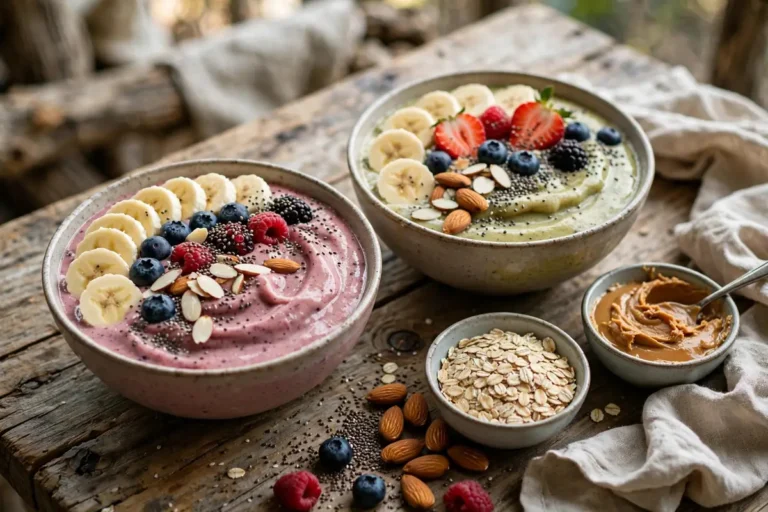
Oatmeal with berries. Oats give you slow-digesting carbs. Berries add fiber and antioxidants. Together they keep blood sugar steady all morning.
Eggs with vegetables. A veggie omelet made with spinach, tomatoes, and onion is filling, low in calories, and rich in vitamins.
Greek yogurt with chia seeds. Chia seeds absorb water and expand in your stomach. They add 10 grams of fiber per ounce and keep hunger away until lunch.
Whole grain toast with almond butter. Healthy fat from almond butter slows digestion. Whole grain toast provides slow-release energy. Together they beat a sugary cereal completely. The Mayo Clinic consistently recommends high-fiber, high-protein breakfasts as the foundation of a weight loss diet.
Best Snack Foods for Weight Loss
Snacking is not the problem. Snacking wrong is the problem. The best snack foods for weight loss are high in fiber or protein and low in calories. Here are the top choices.
Apple with peanut butter. The apple provides fiber and natural sweetness. Peanut butter adds protein and healthy fat. Keeps you full for two to three hours.
Almonds. A small handful (about 23 almonds) gives you 6 grams of protein and 3.5 grams of fiber. Research shows people who snack on nuts consume fewer calories at their next meal.
Carrot sticks with hummus. Carrots are low calorie and crunchy. Hummus adds protein and fiber from chickpeas. A satisfying and filling combination.
Cottage cheese. One cup has 25 grams of protein and around 200 calories. It is one of the most filling snack foods available anywhere.
Air-popped popcorn. Three cups of air-popped popcorn have only 93 calories and 3.5 grams of fiber. It gives you volume and crunch without the calorie hit.
The Mayo Clinic recommends keeping snacks under 200 calories and focusing on whole foods rather than packaged snack products.
Best Foods to Juice for Weight Loss
Juicing can support weight loss when done correctly. But not all juices help. High-sugar fruit juices raise blood sugar fast. Vegetable-forward juices are the better choice.
The best foods to juice for weight loss include:
Cucumber and celery. Both are nearly all water. They hydrate the body and naturally reduce bloating. Great for losing water retention weight.
Spinach, kale, and lemon. Green juices are rich in chlorophyll and vitamins. Adding lemon improves the flavor and aids digestion.
Ginger and carrot. Ginger has anti-inflammatory properties. Carrots provide beta-carotene and natural sweetness without spiking blood sugar as much as fruit juices.
Green apple with spinach. The apple adds mild sweetness while the spinach keeps calories low. A good ratio is 75% vegetables to 25% fruit.
One important note: blending whole fruits and vegetables is better than juicing them. Blending keeps the fiber intact. Fiber is what actually keeps you full. When you juice, you remove most of the fiber.
Best Fast Food for Weight Loss
Life gets busy. Sometimes fast food happens. The good news is that the best fast food for weight loss does exist. You just need to know what to order.
Here are the rules:
Always choose grilled over fried. A grilled chicken sandwich has roughly half the calories of a fried one.
Skip the mayo and special sauces. These add 100 to 200 calories you cannot taste.
Replace fries with a side salad or fruit.
Choose water or unsweetened drinks over soda or juice.
Specific options that work:
Chick-fil-A grilled nuggets are high in protein and low in calories. Taco Bell’s Cantina Chicken Soft Taco has around 200 calories per taco. Subway’s turkey or chicken on whole grain with lots of vegetables is a strong choice. At McDonald’s, a plain grilled chicken sandwich without sauce is around 350 calories.
You can eat fast food and still lose weight. You just have to choose smartly.
Best Food Tracking App for Weight Loss
Tracking what you eat is one of the strongest habits you can build. A study in the American Journal of Preventive Medicine found that people who tracked their food every day lost twice as much weight as those who did not.
The best food tracking apps for weight loss in 2025 and 2026 include:
MyFitnessPal. The largest food database available. Easy to use. Free version is solid.
Cronometer. Best for tracking micronutrients. Great if you want to know exactly what vitamins and minerals you are getting.
MyNetDiary. Has a verified food database that reduces data entry errors. Clean and user-friendly.
FatSecret. Completely free with barcode scanning. A good option if you do not want to pay for an app.
Lifesum. Good for people who want habit coaching alongside food tracking.
Using a food scale alongside any of these apps gives you accurate data. A digital kitchen scale is a small investment. But it removes guesswork from portion sizes, which is one of the top reasons people underestimate their calorie intake
A Sample Day of Weight-Loss-Friendly Eating
Food lists are useful, but many people struggle with the same question every day: what do I actually eat? Here is a realistic full day built from the foods in this guide. It lands around 1,600 to 1,800 calories for most portion sizes, keeps protein high, and requires nothing exotic.
Breakfast: Three eggs scrambled with spinach and tomatoes, plus half a cup of oatmeal topped with a handful of berries. This combination delivers roughly 30 grams of protein and enough fiber to carry you comfortably to lunch.
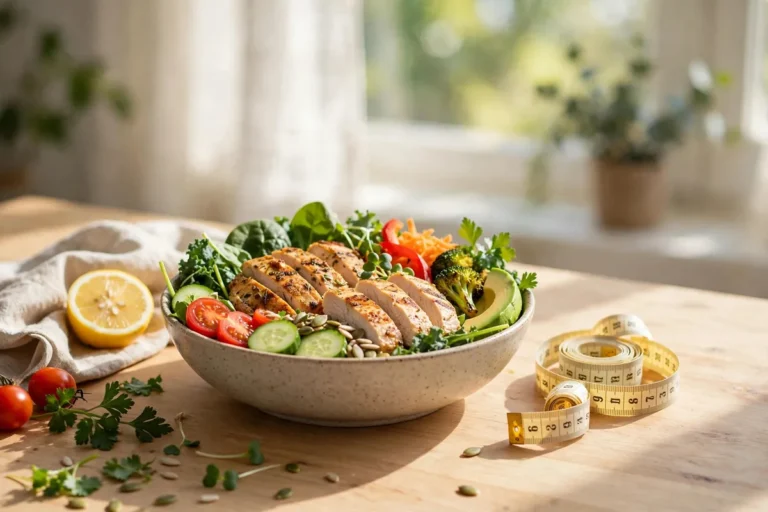
Lunch: A large salad with grilled chicken breast, mixed leafy greens, cucumber, half an avocado, and a drizzle of olive oil with lemon. Add a small whole grain roll if you train in the afternoon.
Snack: A cup of Greek yogurt with a few walnuts, or an apple with a tablespoon of peanut butter when cravings hit in the late afternoon.
Dinner: Baked salmon with roasted broccoli and half a cup of quinoa. Fatty fish twice a week covers your omega-3s while keeping the meal satisfying.
The pattern behind this day matters more than the exact menu: protein at every meal, vegetables filling half the plate, whole grains in modest portions, and healthy fats for satiety. Harvard’s Healthy Eating Plate visualizes this same balance and is worth bookmarking as a daily reference. And before you shop, learning to read what is actually in packaged foods makes everything easier: our guide on how to read a nutrition label shows you exactly what to check.
Drinks That Help or Hurt Weight Loss
What you drink can quietly make or break your diet. A single large soda or sweetened coffee drink can carry 300 to 500 calories with almost no fullness, which is why cutting liquid calories is one of the fastest dietary wins available. Fruit juice deserves the same caution: without the fiber of whole fruit, it spikes blood sugar much like soda does.
Alcohol is the other quiet saboteur. Beyond its own calories, it lowers inhibitions around food and pauses fat burning while your body clears it. You do not have to give it up entirely, but honest tracking of how often and how much you drink usually reveals a bigger calorie source than people expect.
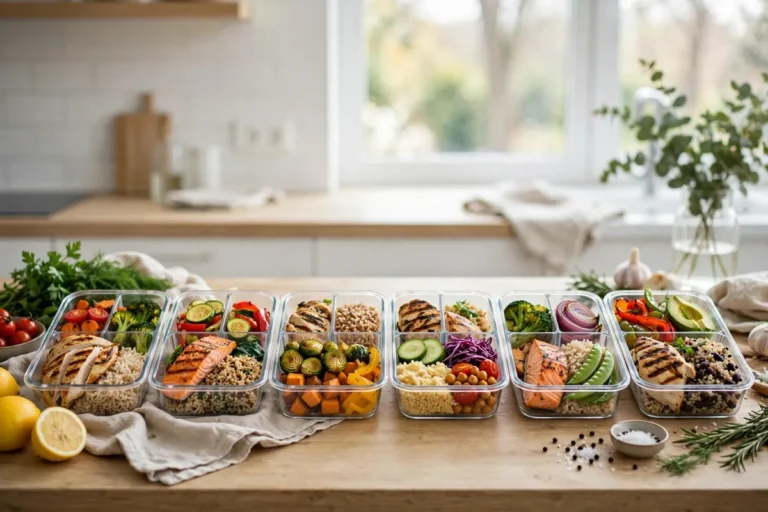
On the helpful side, water remains the best default. Drinking a glass or two before meals slightly reduces how much you eat, and staying hydrated prevents the thirst signals your brain sometimes mistakes for hunger. Green tea offers a mild metabolic nudge along with antioxidants, and black coffee in moderation can support energy for workouts. Unsweetened herbal teas work well for the evening hours when you want flavor without calories. Combine these drinking habits with a week of planned meals, and results compound fast: see our healthy meal prep ideas for the week to make the food side effortless too.
Frequently Asked Questions
What foods burn belly fat fastest?
No food burns fat directly, but high-protein and high-fiber foods keep you full on fewer calories, which supports fat loss over time.
Should I avoid carbs to lose weight?
Not necessarily. Whole grains and fiber-rich carbs support fullness and energy. Limit refined carbs and sugary foods instead.
How much protein do I need for weight loss?
Aim for 1.2 to 1.6 grams per kilogram of body weight daily. Protein preserves muscle and increases satiety during a calorie deficit.
Are fats bad for weight loss?
No. Healthy fats from olive oil, nuts, avocado, and fish support satiety and health. Portion control matters since fats are calorie-dense.
What should I drink for weight loss?
Water is best. Unsweetened tea and black coffee are fine. Avoid sugary drinks, juice, and excess alcohol, which add calories without fullness.
Conclusion
Weight-loss eating is not about finding one magic food or surviving on salads. It is about building a repeatable plate: lean protein, plenty of vegetables, smart whole grain portions, healthy fats, and water as your default drink. Master that pattern, prep a few meals ahead each week, and the foods in this guide do their work quietly in the background. For more practical nutrition, fitness, and wellness guides, visit the All Day Health and Fitness homepage.