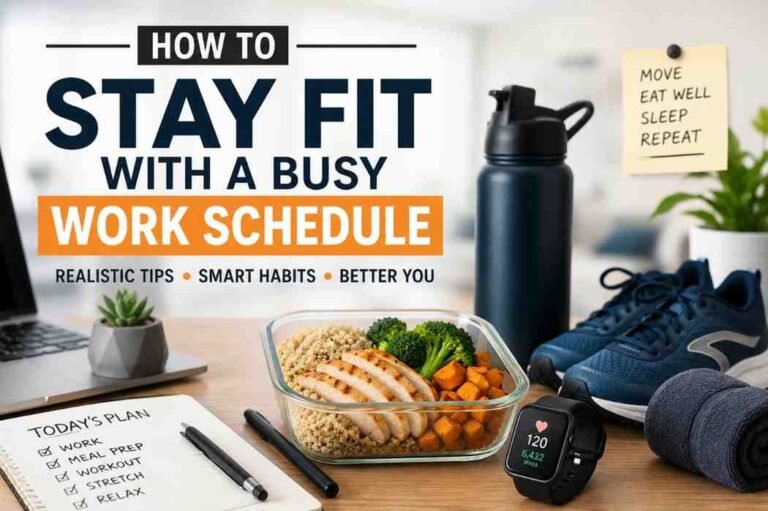
How to Stay Active During a Desk-Heavy Workday
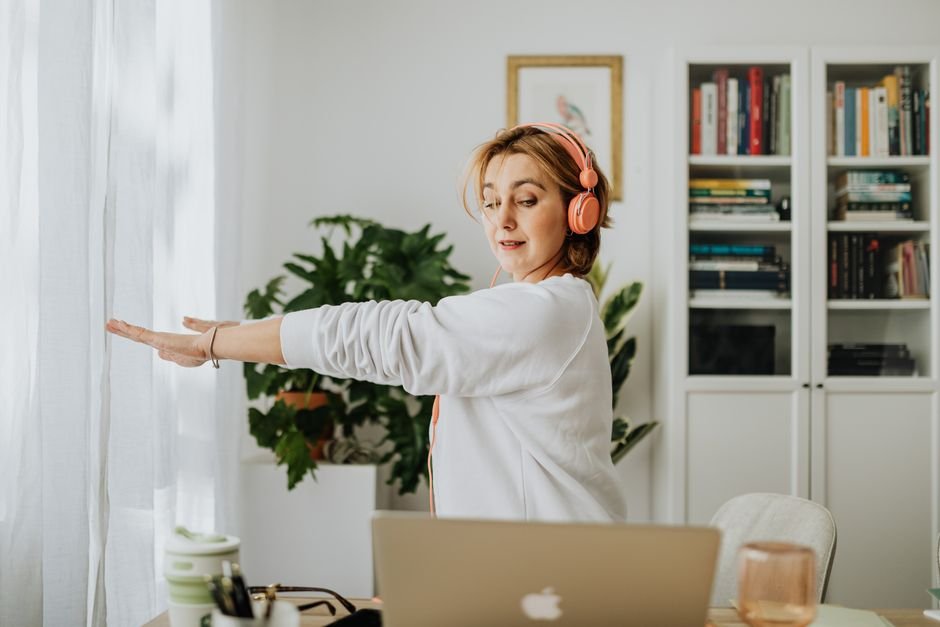
Break up long stretches of sitting with short bouts of movement, ideally at least once an hour, and build a few longer moves into the natural gaps in your day. You don’t need a lunchtime gym session for this to count; staying active during a desk job is mostly about interrupting stillness often enough that your body doesn’t settle into it.
Why long, unbroken sitting matters
Sitting isn’t harmful in itself. The concern is long, uninterrupted stretches of it, day after day. Research links prolonged sitting with poorer heart and metabolic health, and a workout before or after work doesn’t fully cancel that out. More immediately, most desk workers know the feeling: stiff hips, a tight neck and sluggish mid-afternoon energy.
The NHS overview of the health benefits of exercise treats long periods of sitting as a problem in their own right, separate from how active you are, and advises cutting down on them alongside regular activity. In other words, a morning run and an evening walk are both worth doing, but they don’t give you a free pass for the eight hours in between.
Small moves that add up
The trick is to attach movement to things that already happen in your day, so you don’t have to remember a separate routine.
- Stand for phone calls. Or walk, if the call doesn’t need a screen.
- Refill your water often. A smaller glass means more trips to the kitchen.
- Use the far printer or bathroom. A few extra minutes of walking, spread across the day.
- Do a quick reset at your desk. Roll your shoulders, turn your head slowly side to side, stand up and sit down a few times, and do some calf raises while something loads.
- Take a proper lunch walk. Even a short loop outside helps with afternoon energy. Our article on walking as exercise covers why it’s more useful than its reputation suggests.
Making it stick
Reminders help at first. A recurring calendar alert or the nudge on a fitness watch can prompt you to get up until the habit becomes automatic. Some people like a standing desk; if you use one, alternate between sitting and standing rather than standing all day, since long static standing brings its own aches.
Meetings are an opportunity too. Suggest a walking meeting for one-to-ones that don’t need a screen. On video calls, ending a few minutes early gives everyone room to stand up before the next one.
None of this replaces regular exercise; it complements it. Strength and mobility work done elsewhere makes everyday movement feel easier, and a day with more movement in it tends to leave you with more energy for that training rather than less. If you’re still building that side of things, our guide to building an exercise habit that sticks is a sensible place to start.
If you have back, neck or joint pain that sitting or standing makes worse, or a condition that affects how you move, talk to a doctor or physiotherapist about which adjustments suit you.
Start with one change tomorrow: set an alert for mid-morning and mid-afternoon, and when it goes off, stand up and walk somewhere for a couple of minutes.