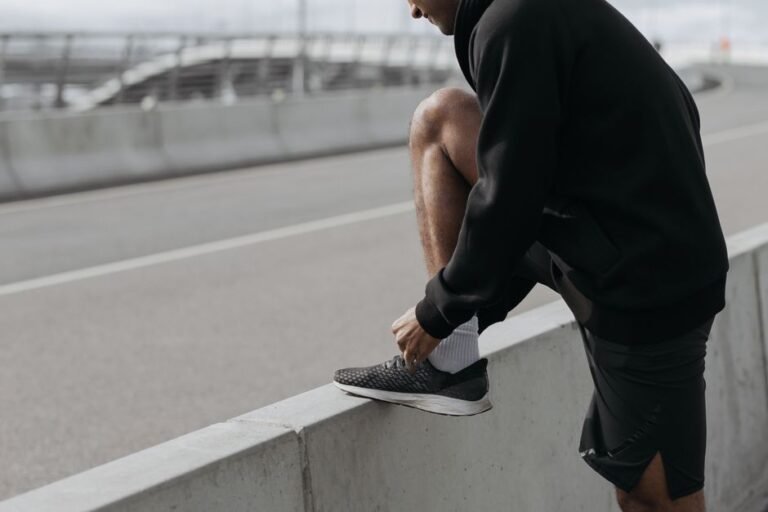
How to Choose Activewear That Fits Your Workouts
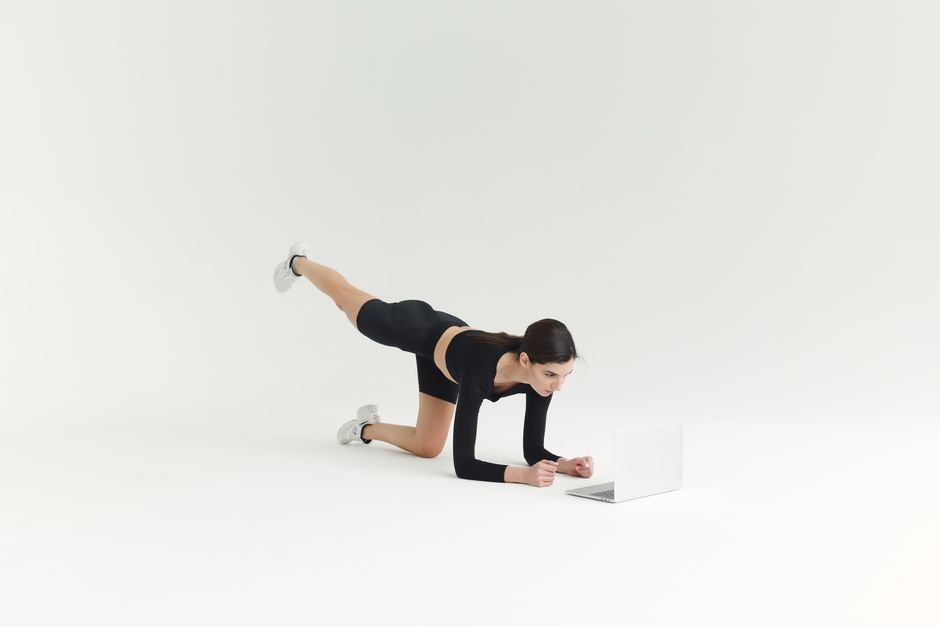
Pick activewear by the movements you’ll do, not by how it looks on a hanger: fabric that handles sweat, a fit that stays put when you bend and reach, and seams that don’t rub. Choosing activewear for your workout gets much simpler once you start from the activity and work backwards.
Clothing that shifts, chafes, or traps heat pulls your attention away from the session. The goal is gear you stop noticing five minutes in.
Start with fabric
Most workout clothing is made from synthetic blends such as polyester or nylon with some stretch fiber mixed in. These pull sweat away from the skin and dry fairly quickly, which keeps you more comfortable during sweaty sessions. Cotton absorbs moisture and holds onto it, so it gets heavy and can rub during longer or harder workouts, though it’s perfectly fine for a gentle walk or a stretching session. Merino wool sits in the middle and suits outdoor training in cooler weather.
If your skin is sensitive, look for flat seams and printed rather than stitched-in labels, and wash new items before wearing them. Irritation or a rash from clothing that doesn’t settle is worth showing to a dermatologist.
Choosing activewear for your workout, movement by movement
Different activities ask different things of your clothes:
- Running and walking: light, breathable fabric; shorts or leggings that don’t ride up; socks made for running to cut down on blisters.
- Strength training: enough stretch to squat and hinge freely, and a top that doesn’t slide up when you lie on a bench.
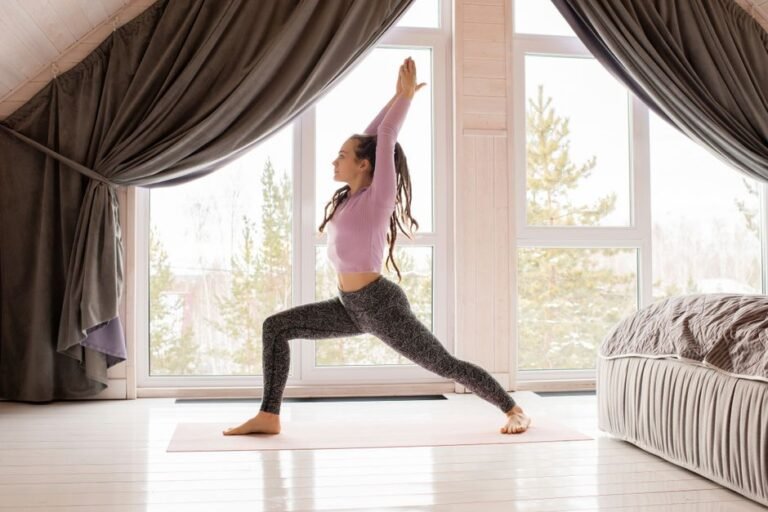
- Yoga and mobility: fitted or soft layers that stay in place when you fold forward or go upside down.
- Cycling: padded shorts for longer rides and nothing loose near the chain.
Footwear follows the same logic, so it’s worth reading about choosing workout shoes by training type alongside picking clothes. Runners in particular should look at how running shoes should fit, since socks and shoes work as a pair.
Do the movement test
The fitting room test is simple: do the movements. Squat deeply, reach overhead, step into a lunge, and bend forward. Watch for waistbands that roll down, fabric that turns see-through when stretched, straps that dig in, and seams that rub under the arms or along the inner thigh. Buying online? Check the return policy and run the same test at home before removing the tags.
Support comes before style
For anyone who wears a sports bra, the right level of support is the biggest comfort factor in the whole outfit. Support is usually labeled by impact level, low through high, so match it to the activity and get refitted when your training changes. A band that stays in place without digging in is the main thing to check.
Keep the wardrobe small
You don’t need a drawer full of gear. Two or three outfits that work for your main activity, rotated through the wash, cover most people. Replace pieces when the elastic goes slack or the fabric starts pilling enough to rub. ACSM’s public exercise resources are a sensible next stop if you want broader guidance on staying comfortable and safe while active, including in heat and cold.
Next time you shop, bring your most awkward movement with you and test that first.