What Makes Outdoor Exercise Different From Indoor Workouts
Mostly, it’s the ground under your feet and the weather around you. When you compare outdoor vs indoor exercise, the same movement asks a little more of your balance, pacing, and temperature control outside, while indoors gives you predictability and an easier way to focus on form.
Neither one wins outright. Each has trade-offs worth knowing before you choose one for the day.
What changes physically outside
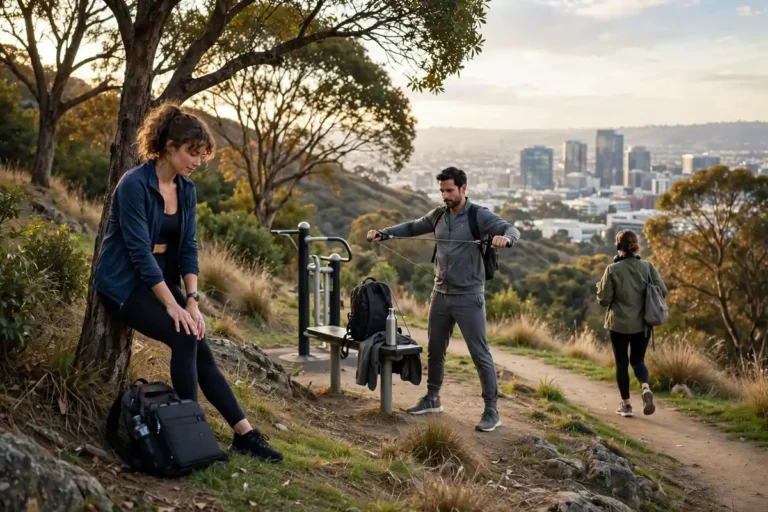
Uneven ground is the biggest difference. Grass, trails, and pavements with slopes and curbs ask your ankles, hips, and smaller stabilizing muscles to make constant small adjustments. A treadmill or gym floor removes most of that, which makes effort easier to control but trains balance less.
Wind matters too, especially for running and cycling, where a headwind can make a familiar pace feel noticeably harder. Hills replace the incline button, and they don’t let you choose when they start.
Temperature is the factor that most affects safety. In heat and humidity your body works harder to cool itself, your heart rate climbs at the same pace, and you lose more fluid through sweat, so hydration habits matter more on those days. In cold weather, warming up takes longer and layering becomes part of the routine.
Then there’s the sun. Outdoor sessions mean UV exposure, so sunscreen belongs in your kit, and most people apply it more thinly than they should.
Outdoor vs indoor exercise at a glance
| Factor | Outdoors | Indoors |
|---|---|---|
| Surface | Varied; challenges balance and stability | Consistent; easier to control effort |
| Conditions | Heat, cold, rain, and daylight hours | Climate-controlled and available any time |
| Pacing | Shaped by terrain and wind | Set precisely by a machine or class |
| Attention | More variety and scenery | Fewer distractions, easier to watch form |
| Practicalities | Usually free, but needs safe routes | Needs equipment or a membership |
The enjoyment factor
Many people find that exercising outdoors, particularly around parks, water, or trees, feels more enjoyable and less effortful than the same session indoors. Research on so-called green exercise points in that direction, though it’s hard to separate the setting from the fact that people who pick outdoor exercise may simply like it more. Either way, enjoyment matters. It’s one of the more reliable predictors of whether you keep showing up.
Choosing for the day
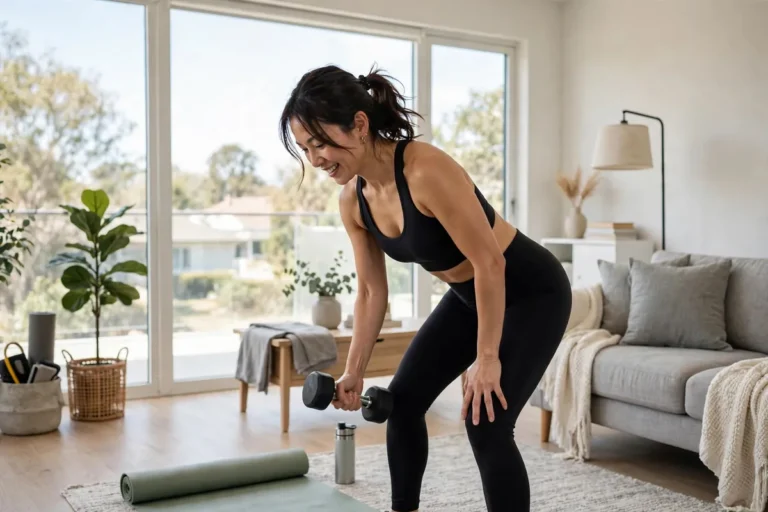
Indoors makes sense when you want to focus on technique, keep effort steady, or when conditions outside are extreme. Outdoors makes sense when you want variety, daylight, or a session that doesn’t feel like a chore. Plenty of people use both, moving outside when the weather allows and back in when it doesn’t.
If you’re heading out, tell someone your route for longer sessions, carry water, and dress in layers you can remove. The NHS exercise guidance covers the basics of building activity safely wherever you do it.
If you have a heart or breathing condition, or take medication that affects how you handle heat, ask your doctor how hot or cold weather changes what’s safe for you.
When the forecast looks risky, the indoor session is the right call.