How to Choose Workout Shoes for Different Types of Training
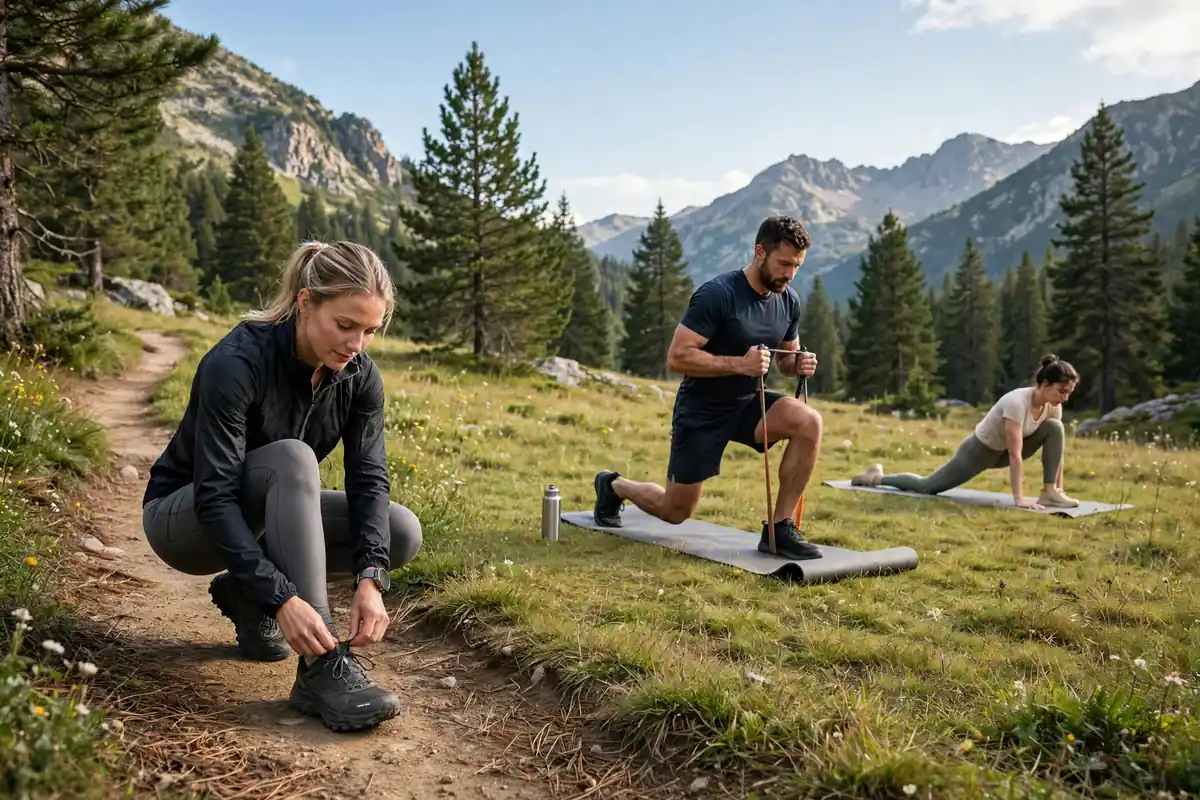
A shoe built for running will let you down under a loaded barbell, and a shoe built for lifting will beat up your knees on a five-mile run. Choosing workout shoes by training type starts with matching the shoe’s job to what you’re actually doing, not picking one pair to cover everything.
Why one shoe doesn’t cover every workout
Running shoes are built around cushioning and forward motion: a soft, often elevated heel absorbs repeated impact and helps the foot roll smoothly from heel to toe. That same softness becomes a liability the moment you load a bar overhead or push through a heavy squat, because a compressible sole lets your foot shift and wobble under weight instead of giving you a stable base to push from. Fit matters most for running specifically, but fit alone doesn’t make a running shoe safe to lift in.
Matching the shoe to the training
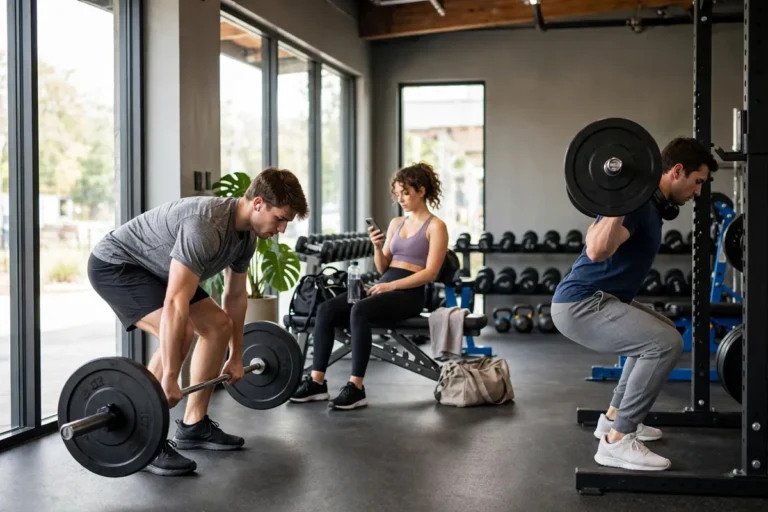
For strength training, look for a flat, firm sole with little to no heel lift — some lifters prefer a hard, minimal shoe or even training barefoot-style so the foot has direct, unwavering contact with the floor. For cardio and running, prioritize cushioning and a fit with enough room in the toe box, since the foot swells slightly during longer efforts. Court sports like basketball or tennis need lateral support above almost everything else, because the ankle rolls sideways constantly during quick direction changes, which a running shoe’s shape doesn’t account for. Cross-training shoes split the difference reasonably well for mixed sessions of lifting, short cardio bursts, and general gym work, without excelling at any single one of them.
Signs your shoes don’t match your training
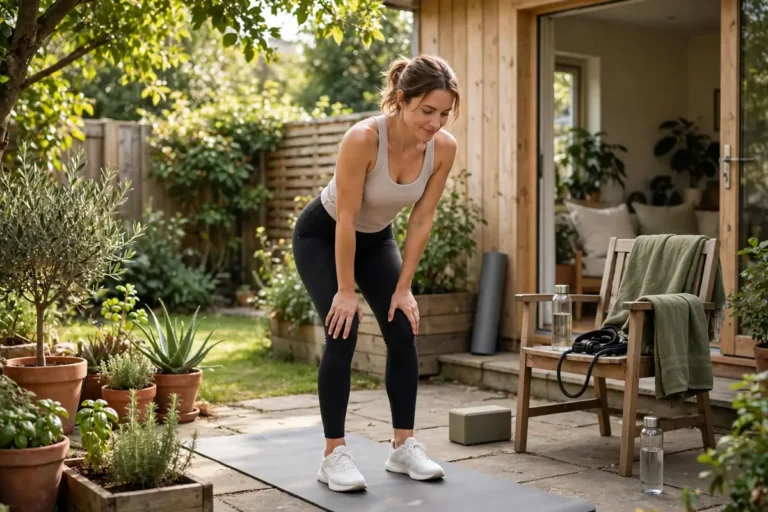
Ankle wobble during a squat, a heel that feels like it’s sinking under a deadlift, or shins that ache after switching from a treadmill to a turf field are all signs of a mismatch worth addressing before it becomes a pattern. Rotating between a home setup and a gym is a good moment to check whether the flooring and shoe combination still make sense for what you’re training that day.
None of this needs to mean owning four pairs of shoes. Most people do fine with one solid running shoe and one flat, stable shoe for lifting and general strength work, adding a sport-specific pair only if they play something with real lateral demand. The National Academy of Sports Medicine covers footwear as one part of a broader movement-preparation approach worth reading if you’re building a training setup from scratch.
If you have chronic foot, knee, or ankle pain that shows up regardless of which shoe you’re wearing, that’s worth a conversation with a physical therapist before you buy another pair hoping it solves things on its own.
Check the pair you already own against what you actually train in it — that mismatch is usually easier to fix than it seems.
The Three Main Shoe Categories Every Active Person Should Know
Nearly every workout shoe on the market falls into one of three families, each built around a different movement pattern. Understanding what separates them makes the rest of the decision simple.
Running shoes
Running shoes are built for forward motion. They use soft, springy cushioning to absorb the repeated impact of foot strikes, and they often have a noticeable heel-to-toe drop that encourages a rolling stride. They are ideal for runners, walkers, and anyone whose workouts are mostly cardio on feet. They are a poor choice for heavy lifting: that same soft cushioning becomes an unstable platform under a loaded barbell, which can compromise balance and force transfer during squats and deadlifts. If running is your main activity, our detailed guide on choosing running shoes that fit right walks through fit, sizing, and when to replace them.
Cross-training shoes
Cross-trainers are the versatile middle ground. They have a flatter, firmer sole than running shoes for better stability under weights, but enough cushioning and flexibility for jumping, sprinting, and multidirectional movement. Shoes in this category, often labeled “training” shoes, are the best single pair for people who mix lifting, HIIT, circuits, and short cardio bursts in the same session. For varied gym workouts they are the most practical pick.
Lifting shoes
Weightlifting shoes, sometimes called lifters, are a specialty tool. They have a rigid, non-compressible sole and often a raised heel, which helps maintain an upright torso during squats and provides maximum power transfer from the floor. They are excellent for barbell training, Olympic lifts, and heavy compound movements. They are terrible for anything involving running or jumping. If your training centers on free weights and barbell work, they are worth knowing about.
Matching the Shoe to How You Actually Train
Start by identifying what you do most. If roughly 80 percent of your workouts are one activity, buy for that activity first. A runner who lifts once a week needs running shoes; a lifter who jogs occasionally needs stable training shoes, not cushioned runners.
For mixed training, be honest about the longest run you do. Cross-training shoes comfortably handle runs up to about 3 to 5 miles for most people. Beyond that, the lack of cushioning starts to show, and a dedicated running shoe becomes the better call. If your week includes both heavy lifting days and long run days, two pairs is genuinely the right answer, not a marketing upsell.
Fit Fundamentals That Matter More Than Brand
Try shoes on in the afternoon or evening, when feet are slightly swollen, and wear the socks you will train in. You should be able to wiggle your toes, and your heel should stay put without the laces cranked tight. Fit can vary between models even within one brand, so ignore the size number and trust how the shoe feels.
Think about your foot shape too. A wider toe box lets your toes spread for balance during lifts, while a snug heel prevents slipping during sprints and lateral moves. If you use custom orthotics or need extra arch support, bring them to the fitting and check whether the shoe’s insole is removable. And if you have ongoing foot pain that changes how you move, see a podiatrist or sports medicine professional before guessing your way through shoe choices. The Mayo Clinic’s exercise guidance also reminds beginners to check with a professional before starting new programs, a sensible habit that extends to gear decisions affecting your joints.
When to Replace Your Workout Shoes
Shoes do not last forever, and worn-out shoes quietly change how you move. Running shoes typically need replacing after 300 to 500 miles, though heavy runners may notice dead cushioning sooner. Training and lifting shoes last longer because their firmer materials compress less, but watch for smooth outsoles, torn uppers, and uneven wear patterns. A simple test: if the shoe no longer feels supportive, or your feet and knees feel different after workouts than they used to, it is probably time.
When you shop for your next pair, browse the training resources on All Day Health & Fitness to match your gear to a program that actually fits your goals, because the right shoe supports the right plan.
Frequently Asked Questions
Can I lift weights in running shoes?
You can for light weights, but it is not ideal. The soft cushioning of running shoes creates an unstable base that can affect balance and force transfer during heavy squats, deadlifts, or overhead presses. For regular lifting, switch to flat training shoes or go barefoot on a stable surface if your gym allows it.
Are cross-training shoes good for running?
For short runs and cardio intervals, yes. For regular runs beyond a few miles, no: they lack the cushioning and stride efficiency of dedicated running shoes, and many runners find their joints notice the difference. If running is a core part of your routine, get running shoes too.
Do I need weightlifting shoes as a beginner?
Probably not. Beginners do fine in flat, stable training shoes. Lifting shoes become worthwhile when you are squatting heavy regularly or doing Olympic lifts.
Should workout shoes feel tight or loose?
Neither. They should feel secure with room to move: toes able to splay, heel locked in, no pinching or pressure points. Shoes that feel tight in the store will not break in enough to fix real fit problems, and shoes that feel loose will cause blisters and instability.
How many pairs of workout shoes do I need?
One good pair matched to your main activity covers most beginners. If you regularly do two very different activities, like long-distance running and heavy lifting, two specialized pairs will serve you far better than one compromise pair. Rotate them to extend their lifespan.
Conclusion
Choosing workout shoes is really choosing the right tool for the job: cushioning for running, stability for lifting, and versatility for mixed training. Match the shoe to what you do most, prioritize fit over brand, and replace shoes when they stop supporting you. Get those three things right and your feet will quietly carry you through every workout.