
Knee Joint Pain Relief: Chiropractic Approaches and Exercises That Work
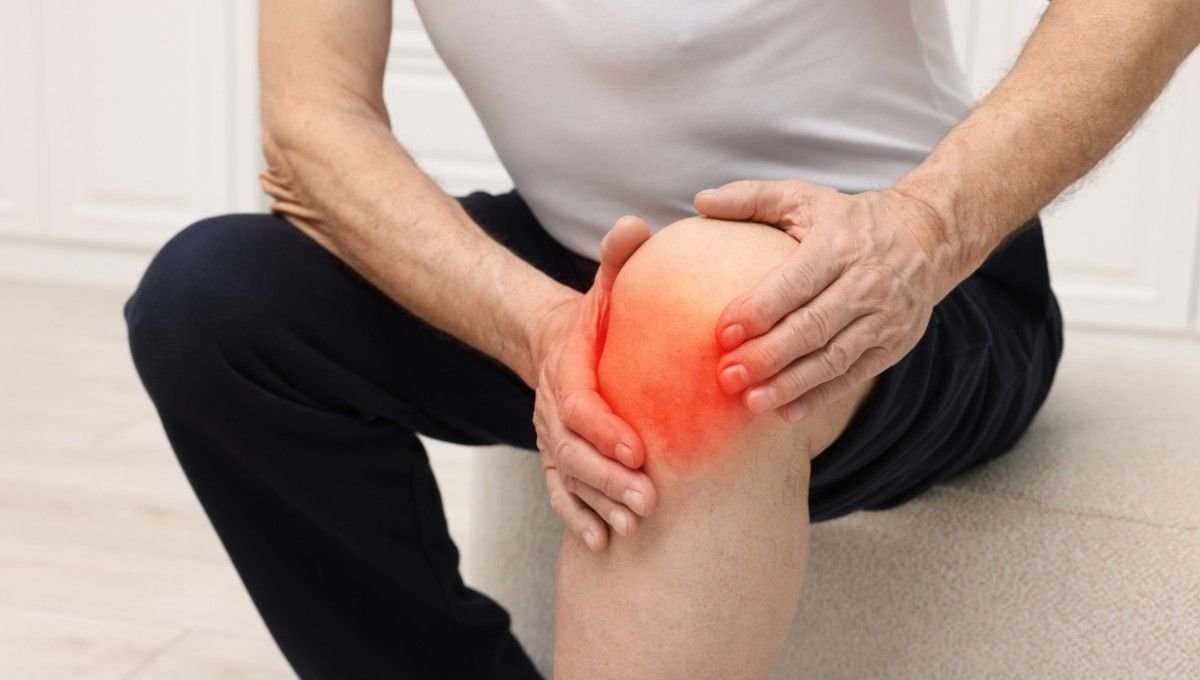
Knee pain is the stealthy saboteur of mobility, and it affects millions of people worldwide.
Nearly 25% of adults grapple with knee discomfort at some point in their lives. That’s not just a number. It’s a staggering reality for anyone who has ever hesitated before climbing stairs or wincing through a morning walk.
Why endure that nagging ache when knee joint pain relief might be closer than you think?
Think about it. Your knees carry the weight of your entire body, quite literally. They’re a vital joint junction, prone to wear and tear from decades of movement. But knee pain isn’t a life sentence, not when you’re armed with the right knowledge and the right plan for knee joint pain relief.
Are you one of the many people silently tolerating knee discomfort, wondering if it’s a passing twinge or a warning sign? It’s time to stop guessing.
In this guide, we’ll break down the most common causes of knee pain, walk through proven chiropractic methods, share targeted exercises, and cover the non-surgical options gaining traction in 2026. Whether you’re dealing with arthritis, an old ligament injury, or life after knee replacement, real knee joint pain relief is possible.
What Are the Most Common Causes of Knee Pain?
Understanding the root cause of your discomfort is the first step toward lasting knee joint pain relief. Osteoarthritis, ligament injuries, and tendonitis each play a distinct role in the knee pain puzzle, and each demands a slightly different approach.
Osteoarthritis
Osteoarthritis affects over 32.5 million Americans. It’s not just a condition. It’s a slow erosion of the protective cartilage between your joints, and it’s one of the leading reasons people search for arthritis knee pain relief in the first place. Are your knees whispering a tale of arthritis, with stiffness in the morning or a dull ache after sitting too long?
Ligament Injuries
Around 200,000 ACL injuries happen every year in the United States alone. Picture a sudden twist on the basketball court or an awkward step off a curb. The ligaments protest, and that protest often turns into chronic discomfort. Ligament knee pain relief usually requires a combination of rest, targeted strengthening, and sometimes professional rehabilitation.
Tendonitis
Tendonitis, the inflammatory chatter of overworked tendons, affects around 14 million Americans every year. Repetitive movements like running, squatting, or climbing stairs put constant stress on the tendons around the knee. Are your tendons trying to tell you something?
Bone-on-Bone Knee Pain
For many people, especially those with advanced osteoarthritis, cartilage wears down so much that bone begins rubbing against bone. This is often described as bone-on-bone knee pain, and it tends to bring sharper, more constant discomfort than early-stage arthritis. The good news is that bone-on-bone knee pain relief without surgery is possible for a lot of people through the right combination of care, which we’ll get into below.
Understanding these knee pain architects is the first step toward reclaiming a pain-free stride and finding knee joint pain relief that actually lasts.
Chiropractic Approaches to Knee Joint Pain Relief
Chiropractic care extends its healing touch to tackle knee pain head-on, using a range of effective, non-invasive methods.
Joint Adjustments
Chiropractors act as architects of alignment. Through gentle, controlled manipulations, they guide misaligned joints back into their natural position, which can meaningfully reduce pressure and pain. It works like a tune-up for your body’s mechanics, restoring balance where it’s been lost.
Soft Tissue Manipulation
Beyond the bones, soft tissue often plays a bigger role in knee pain than people realize. Chiropractors use targeted massage and manipulation to release tension, improve flexibility, and support healing in the muscles and tendons surrounding the joint.
Corrective Exercises
Chiropractic care isn’t limited to the adjustment table. It’s a holistic approach that usually includes tailored exercises designed to strengthen the muscles supporting your knees. Think of it as fortifying the castle walls so the joint has less work to do on its own.
In the search for knee joint pain relief, chiropractic methods offer a personalized, drug-free path back to pain-free living.
Best Exercises for Knee Joint Pain Relief
When knee pain flares up, targeted movement is one of the most effective tools available. These exercises for knee joint pain relief are designed to build strength exactly where it’s needed most. Once your knees feel stronger, try this beginner-friendly workout routine at home to build full-body strength safely and consistently.
Quadriceps Strengthening Exercises
Your quadriceps are the frontline defenders of your knees. Leg extensions and controlled lunges target these muscles directly, building a stronger shield against pain and instability.
Hamstring Exercises
The hamstrings are the unsung heroes of knee stability. Hamstring curls help create a balanced dynamic between the front and back of the leg, reducing strain on the joint itself. It’s about building a symphony, not relying on a single muscle group to do all the work.
Calf Exercises
Often overlooked, the calves contribute more to knee stability than most people expect. Calf raises and gentle stretches improve flexibility and give your knees a springboard to absorb the shocks of daily movement.
Straight Leg Raises
Simple but effective, straight leg raises engage several muscle groups at once without putting stress on the joint. They’re a low-impact way to build support exactly where you need it.
Wall Squats
Wall squats combine strength and endurance in a single move. By engaging multiple muscle groups at the same time, they help fortify the knee’s foundation, one rep at a time.
Precision matters here. These aren’t random movements. They’re deliberate tools for rebuilding strength, and they’re often the missing piece in a full knee joint pain relief plan.
Non-Surgical Knee Pain Relief Options
Surgery isn’t always the answer, and for many people, it isn’t even the first step. Non-surgical knee pain relief has become one of the most searched topics in orthopedic and chiropractic care, and for good reason.
Compression sleeves provide gentle support and improved circulation during activity, which can reduce swelling and ease discomfort throughout the day.
Knee pain relief patches and topical creams offer localized relief by targeting inflammation right at the source, without the systemic effects of oral medication.
Knee massagers use heat, vibration, or compression therapy to relax tight muscles and improve blood flow around the joint.
Physical therapy and chiropractic adjustments, as covered above, remain two of the most evidence-supported non-surgical paths to lasting relief.
For people specifically dealing with bone-on-bone knee pain relief without surgery, a combination of weight management, targeted strengthening, and joint-friendly movement often delays or even eliminates the need for a surgical procedure altogether. It’s worth discussing all of these options with a healthcare provider before committing to one path.
Combining Chiropractic Care and Exercises
Combining chiropractic care and exercises isn’t just a strategy. It’s a philosophy. It’s the difference between a temporary fix and a lasting solution.
Synergy in Action
Chiropractic adjustments set the stage by realigning joints and restoring proper function. It’s like tuning an instrument before a performance. Precision matters. Adding targeted exercises after an adjustment locks in and extends those benefits.
Tailored Treatment Plans
No two knees are the same. Chiropractors tailor exercise regimens to complement specific adjustments, which means the plan is built around your body, not a generic template.
Reinforcing Long-Term Wellness
The work doesn’t end in the clinic. Patients who stay active in their own care, through daily stretches and strengthening habits, extend the benefits of chiropractic treatment far beyond the appointment. That’s what transforms short-term relief into long-term knee joint pain relief.
Recovering From Knee Replacement: Pain Relief Tips
Pain relief after knee replacement looks a little different from managing arthritis or a ligament injury, since the joint itself has been rebuilt. In the first few weeks, ice, elevation, and prescribed pain management are typically the priority.
As healing progresses, gentle range-of-motion exercises become essential to prevent stiffness and rebuild strength around the new joint. Many patients also find that gentle chiropractic support, once cleared by their surgeon, helps address compensatory strain in the hips and lower back that often develops during recovery.
Compression garments and cold therapy remain useful tools for pain relief for knee replacement patients well into the rehabilitation period, alongside a structured physical therapy plan.
Self-Care Tips for Managing Knee Pain
Managing knee pain isn’t only about what happens in a clinic. These self-care habits help build strong, resilient knees over the long run. Looking for a gentle way to reduce stress and improve flexibility? Explore the self-improvement benefits of yoga and how it supports both your body and mind.
Lifestyle Modifications
Small daily changes make a big impact. Ergonomic adjustments at your desk, pacing physical activity throughout the day, and avoiding prolonged kneeling can all reduce strain on the joint.
Dietary Considerations
Nutrition plays a real role in joint health. An anti-inflammatory diet rich in omega-3 fatty acids, antioxidants, and proper hydration helps protect and nourish the structures around your knee.
Maintaining a Healthy Weight
Every extra pound adds pressure to your knees with every step. Personalized guidance on nutrition and gentle exercise can help you reach and maintain a weight that lightens the load on your joints.
Stress Management
Chronic stress and chronic pain are more connected than most people realize. Mindfulness practices, relaxation techniques, and stress-reducing habits contribute to a more complete approach to knee joint pain relief.
Frequently Asked Questions
What can a chiropractor do for knee pain?
Chiropractors use precise joint adjustments to realign the knee and reduce pressure on surrounding tissue. Combined with soft tissue work and corrective exercises, this approach improves mobility and can meaningfully reduce pain over time.
How many chiropractic sessions do I need for knee joint pain relief?
There’s no universal number. Chiropractors build a personalized treatment plan and adjust it as your knee responds. Some people notice improvement within a few sessions, while more complex cases take longer.
What is the difference between physical therapy and chiropractic care for knee pain?
Physical therapy focuses mainly on rehabilitation exercises and stretching to restore function. Chiropractic care centers on joint adjustments and soft tissue manipulation to correct alignment. Many patients benefit from combining both.
Is non-surgical knee pain relief actually effective for arthritis?
For many people, yes. Non-surgical knee pain relief through chiropractic care, targeted exercise, weight management, and supportive tools like compression sleeves or topical treatments can significantly reduce arthritis-related discomfort, especially when started early.
What is the best pain relief option after knee replacement surgery?
Immediately after surgery, prescribed pain management combined with ice and elevation is standard. As recovery progresses, physical therapy, gentle movement, and cold therapy become the main tools for long-term pain relief for knee replacement patients.
Conclusion
Knee pain is a pervasive challenge that disrupts daily life for millions of people, with nearly 25% of adults experiencing it at some point. Understanding the underlying cause, whether it’s osteoarthritis, a ligament injury, tendonitis, or bone-on-bone wear, is the foundation of any effective knee joint pain relief plan.
Chiropractic methods, from joint adjustments to soft tissue manipulation, offer targeted, drug-free relief. Pairing that care with corrective exercises like quadriceps strengthening, hamstring curls, and wall squats builds lasting support around the joint.
Non-surgical options, thoughtful self-care, and a tailored recovery plan after knee replacement all play a role in a complete approach to knee joint pain relief. The path back to pain-free movement looks different for everyone, but with the right combination of care, it’s within reach.