
What Makes Recovery Nutrition Different From a Regular Meal
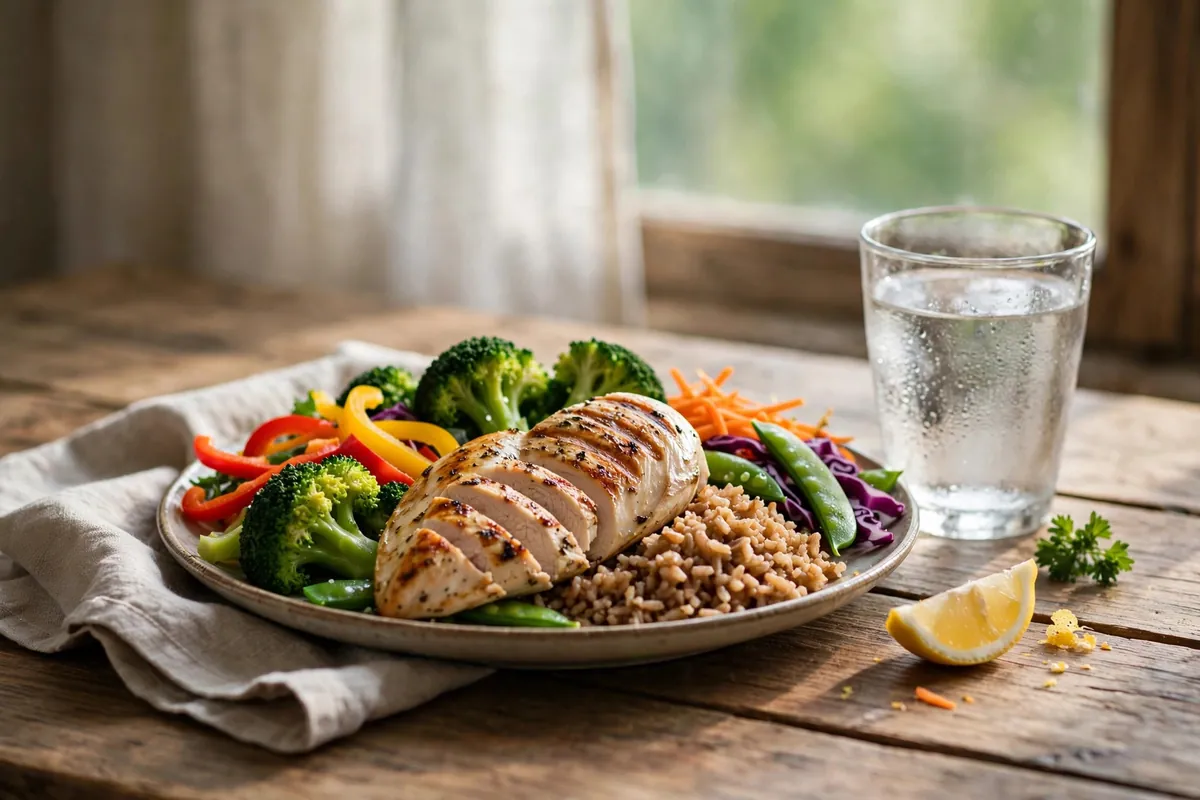
Recovery nutrition basics come down to two things a regular meal doesn’t have to solve for at the same time: refilling the energy your muscles just used and giving them the raw material to repair. It’s not a special formula so much as a shift in timing and mix.
Why the same meal can work differently depending on when you eat it
After a hard training session, your muscles are more receptive than usual to restocking their energy stores and taking in the building blocks for repair. That window isn’t as narrow or unforgiving as it’s sometimes made out to be — eating within a couple of hours of finishing covers most of the benefit for the average person training a few times a week. What matters more than hitting an exact minute is including a source of protein alongside a source of carbohydrate, rather than just one or the other. The carbohydrate replaces what the muscles burned through; the protein supplies what they need to rebuild.
A regular meal eaten at a random point in the day doesn’t need to do both jobs at once, which is really the only thing that separates recovery eating from ordinary eating. A chicken and rice bowl, a yogurt with fruit and granola, or a peanut butter sandwich with milk all cover the same ground without needing to be labeled as sports nutrition.
Composition matters more than any single ingredient
There’s no one food that does this job better than a balanced plate. Chocolate milk gets cited often because it happens to land in roughly the right protein-to-carbohydrate territory for a lot of people, not because it has some property other combinations lack. The same goes for recovery bars and shakes — convenient, but not doing anything a whole-food meal with protein and carbohydrate can’t also do. Whole foods bring fiber, micronutrients, and more staying power between meals, which matters over a training week more than any single post-workout choice does.
Fluids belong in this picture too. Replacing what was lost through sweat, plain water for most sessions, matters as much as the food itself, especially after a longer or hotter workout.
The practical takeaway: don’t overthink the timing, and don’t chase a specific product marketed for recovery. Eat something with both protein and carbohydrate within a couple of hours of a hard session, drink water, and let a normal meal later in the day fill in the rest. The American College of Sports Medicine is a good source if you want to go deeper on how training nutrition is studied.
If you’re training intensely enough that recovery eating feels like a persistent problem — ongoing fatigue, slow-healing soreness, or trouble keeping weight stable — that’s worth a conversation with a registered dietitian rather than another change to what’s on the plate after a workout.
Most people overcomplicate this far more than it needs to be. A meal with some protein and some carbohydrate, eaten sometime in the next couple of hours, does the job a specialized product claims to do at a markup.
What a good recovery meal actually looks like
Theory is useful, but most people just want to know what to eat. A solid recovery meal combines three things: enough protein to support muscle repair, enough carbohydrate to refill energy stores, and fluids with some sodium to restore what sweat took. You do not need a perfect ratio, but aiming for roughly 20 to 40 grams of protein plus a generous serving of carbohydrates covers the needs of most training sessions.
Simple examples that work in real life: Greek yogurt with granola and berries, a chicken and rice bowl with vegetables, eggs on whole grain toast with fruit, or a protein shake blended with a banana and milk. Chocolate milk shows up in sports nutrition research for a reason: it naturally packages protein, carbohydrate, and fluid together. The best recovery meal is the one you will actually eat consistently, not the theoretically optimal one you skip.
Adjust for the session you just did
A light 30-minute workout needs nothing special beyond your next normal meal. A hard 90-minute session or a long run deserves deliberate refueling within a couple of hours. If you train twice in one day or compete in tournaments, recovery nutrition becomes urgent rather than casual: prioritize fast, familiar carbohydrates with protein, and keep eating at regular intervals. Match the effort of your refueling to the effort of your training.
Hydration is part of recovery too
People often treat recovery as food only and forget that they may have lost a liter or more of fluid. Rehydrating well in the hours after training supports everything else: nutrient delivery, body temperature regulation, and simply feeling normal again. A practical target is about 1.25 to 1.5 liters of fluid for every kilogram of body weight lost, spread over several hours rather than chugged at once.
Plain water handles most of this, but including sodium helps your body actually retain the fluid instead of just passing it through. That is why a salty meal after training is genuinely useful, not just tasty. If you want a refresher on the details, the common hydration mistakes during exercise carry straight into the recovery window, especially the habit of treating all fluids as interchangeable.
Food first, supplements second
Protein powder has a legitimate place in recovery nutrition: it is convenient, portion controlled, and useful when appetite is low after hard training or when you need protein away from home. But it is a convenience tool, not a requirement. The muscle-building signal comes from total daily protein and training, not from any specific product.
If you do use one, the same label-reading discipline applies as with any packaged food. Check protein per serving, added sugars, and third-party testing marks. Plant-based lifters can compare options in the top vegan protein powders for gaining muscle mass to see what a well-formulated product looks like. Whole food proteins like dairy, eggs, meat, fish, soy, and legumes remain the foundation; supplements just fill the gaps.
Frequently Asked Questions
How soon after a workout should I eat?
If you trained hard or fasted beforehand, eat within about an hour. If you had a protein-rich meal a couple of hours before training, you have more flexibility and can eat within two hours. For most people, the exact minute matters less than getting a proper meal in a reasonable window.
How much protein do I need after a workout?
Around 20 to 40 grams of quality protein in the post-workout meal covers most people. Larger athletes and those doing very high volume training may benefit from the higher end. Your total protein across the whole day matters more than any single meal.
Do I need carbs after a workout if I want to lose fat?
Yes, in reasonable amounts. Carbohydrates refill muscle glycogen and support recovery; skipping them entirely can leave you drained for your next session. Fat loss comes from your overall calorie balance, not from avoiding carbs in one meal.
Is a protein shake enough as a recovery meal?
It can be a fine bridge, especially with fruit or milk blended in for carbohydrates. But a shake alone is thin on micronutrients and fiber compared with a real meal, so treat it as a stopgap rather than the daily plan.
What should I avoid right after training?
Very high fat meals digest slowly and can delay the refueling you want, and alcohol interferes with recovery and rehydration. Neither ruins you occasionally, but they make poor defaults in the post-workout window.
Conclusion
Recovery nutrition works best when it is simple enough to repeat: protein plus carbohydrates plus fluids, timed sensibly after training, built mostly from real food. Get the pattern right and the details take care of themselves. If meal timing around sessions still trips you up, the guide to common mistakes timing meals around workouts pairs well with this one. For the evidence behind protein and carbohydrate recommendations, the NIH Office of Dietary Supplements fact sheet on exercise and athletic performance is worth bookmarking. And for more training and nutrition habits that stick, keep exploring All Day Health & Fitness.