What Causes Muscle Cramps During Exercise
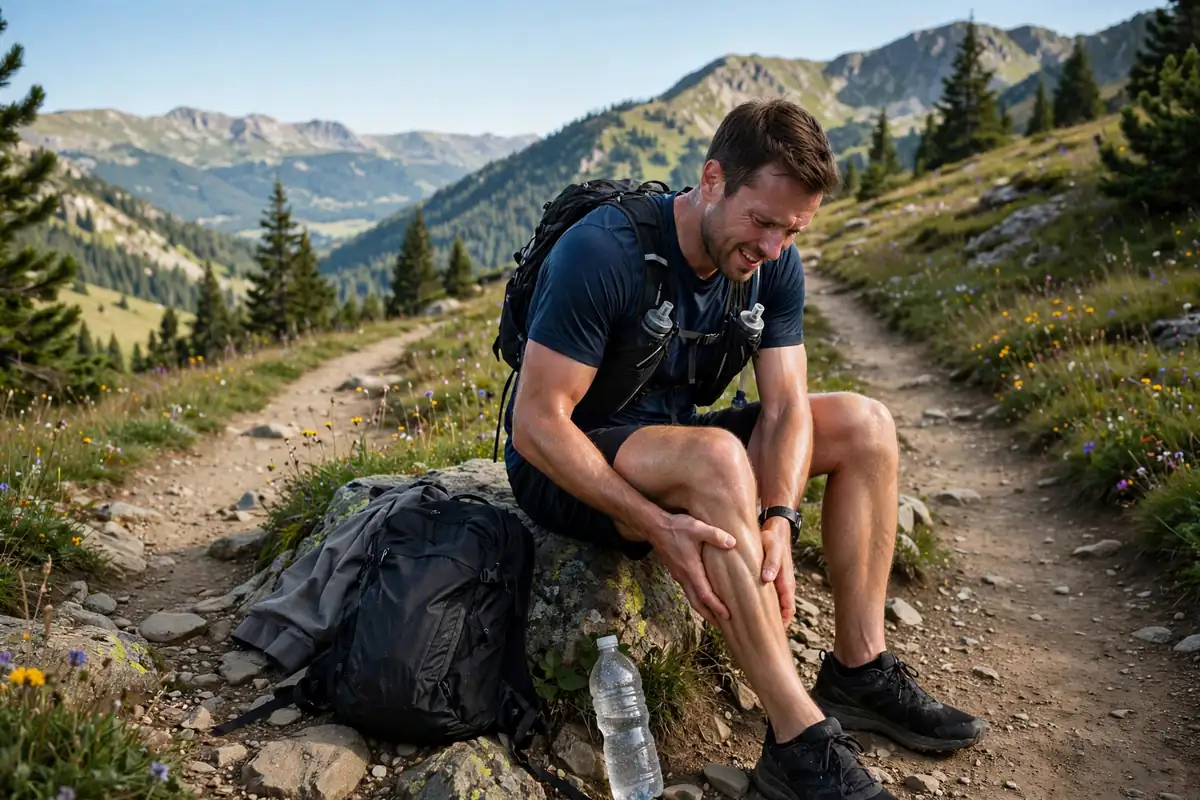
Exercise muscle cramps rarely come down to one cause. Researchers still debate what causes exercise muscle cramps, and the best-supported explanations point to tired muscles and nerve signalling going haywire, with heat, fluid loss and plain unfamiliarity with the effort all playing a part.
That is less satisfying than “you need more salt,” but it is more useful, because it explains why a banana before the session doesn’t stop cramps for everyone.
What causes exercise muscle cramps: the main explanations
Muscle fatigue. The most widely supported idea is that when a muscle gets very tired, the nerve signals that tell it to contract and the signals that tell it to relax fall out of balance. The muscle keeps firing when it should be letting go. This fits a common pattern: cramps tend to show up late in a hard session, in the muscles doing the most work, and more often when the effort is harder or longer than you are used to.
Fluid and electrolyte loss. Heavy sweating, especially in heat, changes the fluid and mineral balance your muscles and nerves depend on. The evidence here is more mixed than sports-drink marketing suggests. Some people who cramp are well hydrated, and some who are dehydrated never cramp. It seems to be a contributor for some people rather than the whole story. If you want the background, our piece on what electrolytes do during exercise covers it without the hype.
Heat. Hot, humid conditions raise both sweat loss and how hard the session feels, so they stack the first two factors together.
Doing something new. A new sport, a longer route, a steeper hill or a return after time off all ask muscles for work they are not conditioned for yet. Cramps during the first few weeks of a new activity are common and often fade as your body adapts.
Skipping the warm-up. Going straight into hard effort with cold muscles is a frequent companion to early-session cramps, though it is rarely the only factor.
A cramp is a different thing from the sharp pain under the ribs that runners get, which has its own set of theories; see what causes a side stitch during exercise if that is the one bothering you.
What to do when one hits, and when to get it checked
When a cramp starts, slow down or stop, then gently stretch the muscle in the opposite direction to the cramp. For a calf, that usually means straightening the leg and drawing your toes toward you. Light massage helps some people. Once it eases, walk around before deciding whether to carry on at a lower effort. There’s no prize for finishing the session on a muscle that just seized.
For the next session, the lowest-risk change is also the plainest: build the intensity or duration up gradually instead of jumping ahead, warm up properly, and drink regularly in hot weather rather than all at once at the end.
Occasional exercise cramps are common and usually harmless. Speak to a doctor if cramps are frequent, happen at rest or disturb your sleep often, come with swelling, redness, numbness or muscle weakness, or started after you began a new medicine. Some medicines list cramps as a possible side effect, so ask your doctor or pharmacist rather than stopping anything on your own. The NHS guide to leg cramps sets out when a cramp needs a closer look.
Next time, change one thing — a longer warm-up, a slower build or a cooler time of day — and see whether the cramps change too.
The Two Leading Theories Behind Exercise Cramps
Scientists do not fully agree on what causes exercise-associated muscle cramps, but two theories dominate, and understanding both explains why prevention advice sometimes seems contradictory.
The older theory blames dehydration and electrolyte loss. Heavy sweating depletes fluid and sodium, which disrupts the mineral balance that helps muscles contract and relax normally. This is why sports drinks are traditional cramp remedies, and why cramps are more common in hot, humid conditions. To understand exactly what these minerals do while you train, see our explainer on what electrolytes do during exercise.
The newer and increasingly supported theory points to altered nerve control caused by fatigue. When muscles tire, the nerves that tell them to contract become overexcited while the nerves that tell them to relax weaken. The result is a contraction that will not release. This explains why cramps strike the hardest-working muscles late in long sessions, and why stretching usually brings faster relief than drinking water does. In practice, both factors can contribute, so the best prevention plans address fatigue and hydration together.
Which Muscles Cramp Most, and Why
Cramps can hit any muscle, but they favor the calves, hamstrings, quadriceps, and feet: the muscles that carry your body weight through repetitive motion and accumulate the most fatigue. If your calves always cramp late in a run, that is a fatigue and conditioning signal, and the fix is more about training load and pacing than about drinking more water.
A Practical Prevention Plan
Preventing cramps works best as a layered plan rather than a single trick.
Condition the muscles that cramp
The single most effective prevention is appropriate conditioning. Well-trained muscles resist fatigue longer, and fatigue is the strongest trigger. Build volume and intensity gradually, include strength work for the muscles that cramp, and avoid sudden jumps in distance or effort.
Hydrate with a plan, especially in heat
For sessions under an hour in mild conditions, plain water is usually enough. For longer efforts or hot weather, replace what sweat takes away: fluids plus electrolytes, particularly sodium. Our guide on common hydration mistakes during exercise goes deeper into getting this right.
Pace yourself and respect the conditions
Starting too fast is a classic cramp setup. An aggressive early pace builds fatigue that shows up later. In heat, slow down and accept that performance will dip. Cramps are your body’s way of enforcing a limit you ignored.
What to Do When a Cramp Hits
Stop the activity immediately. Gently stretch the cramping muscle and hold the stretch until the contraction releases, then massage the area. For a calf cramp, pull your toes toward your shin. For a hamstring cramp, straighten the leg and lean forward gently. Sip fluids, preferably with electrolytes if the session was long or hot. Once the cramp passes, ease back in slowly. If cramps return repeatedly in the same session, that is your signal to call it a day.
Frequently Asked Questions
Do bananas prevent muscle cramps?
Bananas contain potassium, which is why they are the classic cramp remedy. But potassium deficiency is rarely the main cause of exercise cramps; sodium loss and fatigue matter more. A banana is a fine pre-workout snack, but it is not a reliable cramp cure on its own.
Does pickle juice help with cramps?
Some athletes swear by it, and there is an interesting theory: the strong taste may trigger nerve reflexes that calm the cramping muscle, rather than the juice replacing electrolytes. Evidence is limited, but a small amount is harmless to try if cramps strike mid-event.
Why do I get cramps at night after exercising?
Night cramps often follow days of unusual or intense activity. Fatigued muscles remain more excitable for hours afterward. Gentle stretching before bed and staying hydrated through the evening can help, though the evidence for prevention is modest.
Should I see a doctor about exercise cramps?
Occasional cramps during hard exercise are normal. See a healthcare provider if cramps are severe, happen frequently, do not respond to stretching and fluids, last a long time, or come with swelling, redness, weakness, or numbness. These can signal an underlying issue worth checking.
Can warming up prevent cramps?
A proper warm-up helps by preparing muscles gradually for the work ahead, which delays the onset of fatigue. It is one piece of the prevention plan, along with conditioning, pacing, and hydration. Warming up alone will not prevent cramps if the other pieces are missing.
Conclusion
Muscle cramps during exercise are common, painful, and usually harmless, and they are best understood as a fatigue problem with hydration as a contributing factor. Train the muscles that cramp, build intensity gradually, hydrate with a plan in the heat, and pace yourself honestly. When a cramp does strike, stretch it out, rehydrate, and respect the signal. For authoritative medical detail on causes, treatment, and when to seek care, see MedlinePlus on muscle cramps, and browse more training and recovery guides on the All Day Health & Fitness homepage.