How to Build Core Strength Without Endless Crunches
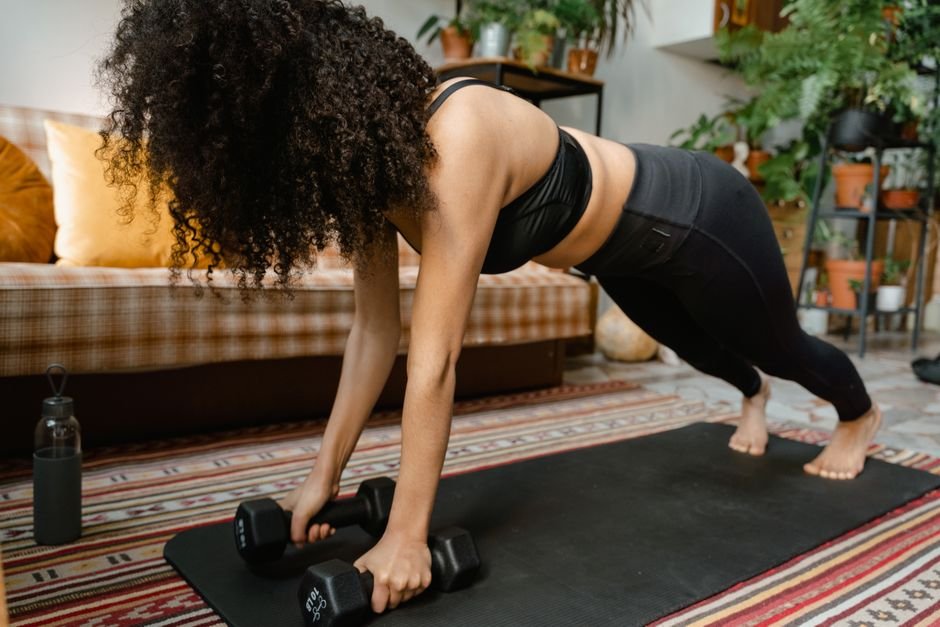
Crunches train one narrow movement, spinal flexion, and most of what the core does in daily life and in the gym has little to do with that motion. The core’s real job is usually to resist movement: keeping the spine steady while you carry groceries, lift something off the floor, or hold a plank without your hips sagging toward the mat.
What the core is for
Think of the core as a stabilizer more than a mover. It braces the trunk so force can transfer between your upper and lower body during a squat, a push-up, or a step off a curb with an armful of bags. Training that reflects this anti-movement role tends to carry over to daily activity better than repeated flexion does, because almost nothing outside a gym asks you to fold your torso forward against resistance the way a crunch does. A lower back that’s used to bracing under load also tends to hold up better through long stretches of standing, sitting at a desk, or carrying a heavy bag on one shoulder all day long. Anyone with an existing back injury should get these movements checked by a physical therapist before adding load.
Exercises that train the core functionally
- Planks and side planks train the core to resist sagging or rotating, held with a neutral spine rather than a rounded back.
- Dead bugs train control while your arms and legs move independently, which mirrors how the core works during walking or throwing.
- Bird dogs build stability on an unsteady base, useful for balance and lower back resilience as you age.
- Farmer’s carries, holding weight at your sides while walking, train the core to resist side-bending, a pattern crunches never touch at all.
Build up hold times and difficulty using reps in reserve rather than chasing a specific number. A plank held within a range you can recover from, the same principle behind building grip strength safely, is more valuable long-term than one that ends in a collapsed lower back and a session that leaves you sore in the wrong place.
Form still matters
A plank with the hips too high or the lower back overarched trains the wrong thing regardless of how long you hold it. The same care that applies to push-up form, a straight line from shoulders to heels, ribs pulled down rather than flared, applies here too. The NHS’s strength exercise guidance lists core and stability work alongside other muscle-strengthening activity recommended each week for general health.
Try replacing one set of crunches in your next workout with a short plank or a set of dead bugs on each side, done slowly enough to keep your lower back flat against the floor throughout. The difference in how your midsection feels afterward, less strain in the neck, more control through the hips, is usually noticeable within the first session, long before any visible change shows up. A few weeks of this kind of stability work also tends to show up elsewhere, in steadier balance during a single-leg movement or less low-back fatigue at the end of a long walk.