
How to Choose a Fitness Tracker That Matches Your Goals
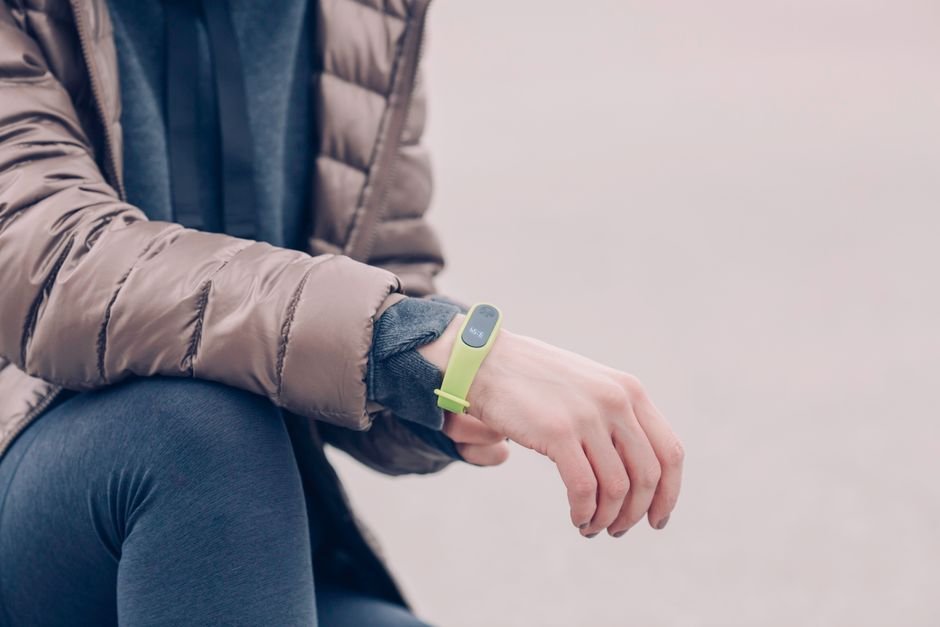
Decide on the one or two things you want a tracker to help with, then ignore every feature that doesn’t serve them. Choosing a fitness tracker for your goals is mostly a process of elimination, because the device with the longest feature list is rarely the one people keep wearing.
Trackers can be useful for building habits and spotting trends. They can also turn into a source of constant checking. Choosing one with a clear purpose helps you get the first without the second.
Name the job first
Most reasons for wanting a tracker fall into a few groups:
- Moving more through the day: a simple step and activity counter with gentle reminders to get up is plenty.
- Running, walking, or cycling outdoors: built-in GPS matters, so you can leave your phone at home and still see distance and pace.
- Strength training: wrist heart rate is less useful here; a basic workout log or rest timer may serve you better.
- Sleep and recovery habits: overnight comfort and battery life matter more than any single sleep score.
- Swimming: check the water resistance rating and whether it counts pool lengths.
Choosing a fitness tracker for your goals: what to check
Comfort. If it’s uncomfortable, it ends up in a drawer. Pay attention to band material and size, especially if you plan to wear it to bed.
Battery life. A device that needs charging every night spends some nights on the charger instead of your wrist. Longer battery life usually means more consistent data.
Screen and buttons. Can you read it in bright sunlight and use it with sweaty hands?
The app. Most of the experience lives on your phone. Look at whether the app is clear, whether key features sit behind a subscription, and whether you can switch off metrics you’d rather not see.
Privacy. Health data is personal. Read how the company stores and shares it before you sign up.
Accuracy, and what to ignore
Wrist sensors are reasonably good at tracking trends in steps and resting heart rate, and less precise for second-by-second heart rate during intervals or lifting. Estimates of energy burned are among the least reliable figures a tracker produces and aren’t worth choosing a device over. As covered in why fitness tracker numbers need context, patterns over weeks mean more than any single reading, which is why resting heart rate over time often tells you more than a daily score.
If a tracker starts making you anxious, nudging you to exercise when you’re tired or unwell, or turning movement into a number you feel you must hit, it’s fine to hide those metrics or stop wearing it altogether. If your relationship with exercise or food feels hard to manage, support is available through the National Alliance for Eating Disorders helpline.
And if a device flags something unusual, such as an irregular rhythm alert, don’t try to interpret it yourself. Share it with a doctor. For a general picture of how much activity adults are encouraged to aim for, the NHS sets out exercise guidance for adults.
Before you shop, write down the single thing you want a tracker to help with, and hold every option up against that line.