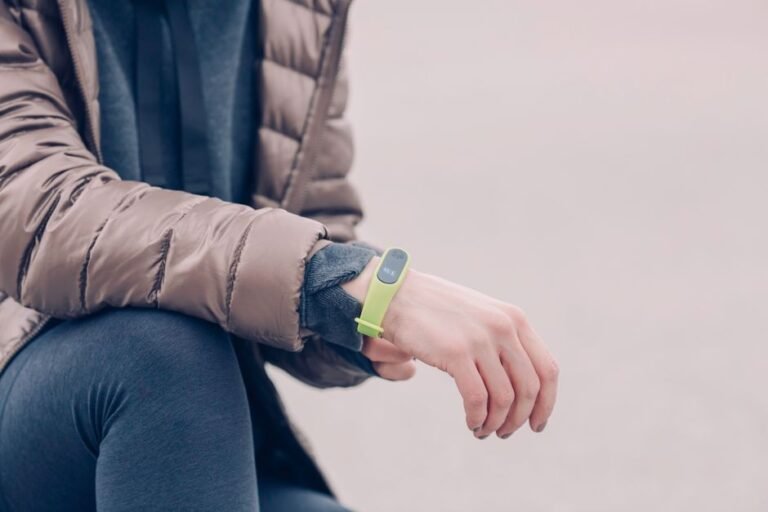
Why Fitness Tracker Numbers Need Context
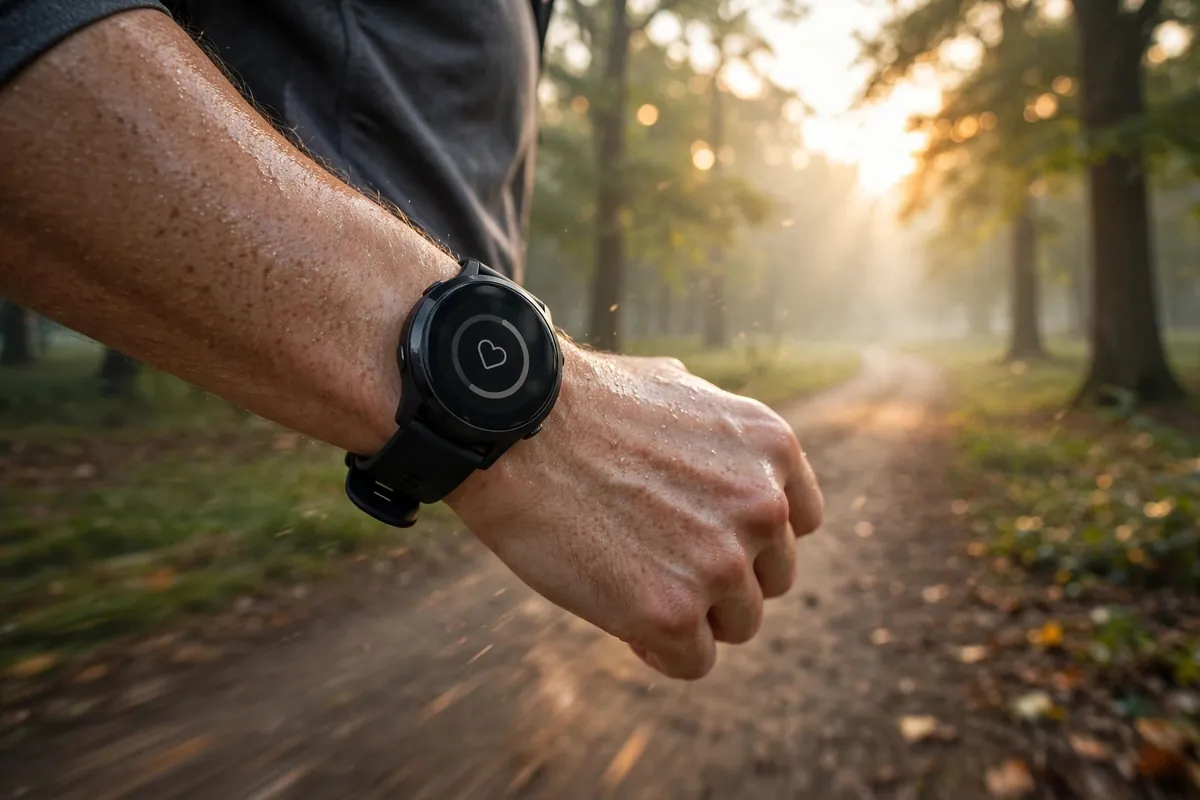
A fitness tracker is good at showing trends in your own data over weeks and much weaker at giving precise answers about any single day. Most fitness tracker data mistakes come from treating an estimate as a measurement, reading one night’s sleep score or one morning’s heart rate as a verdict rather than a data point.
Wrist-worn devices infer most of what they report. Step counts come from motion sensors that can miss steps when you push a trolley and count them when you gesture while talking. Heart rate is read optically through the skin, which works reasonably well at rest and less reliably during movements that flex the wrist, like lifting or cycling on rough ground. Sleep stages are estimated from movement and heart rate patterns, not measured from brain activity the way a sleep lab does it. Energy expenditure figures are the roughest of all: they’re modelled from other estimates, and independent testing has repeatedly found them to vary widely between devices.
Common fitness tracker data mistakes
The first is comparing yourself with other people’s numbers. Devices differ, bodies differ, and a friend’s resting heart rate or step total tells you nothing about what’s right for you.
The second is reacting to single readings. A poor sleep score after a late dinner, or a higher heart rate after a stressful day, is normal variation. What’s worth noticing is a pattern that holds for a week or more, which our explainer on what resting heart rate can tell you over time goes into.
The third is letting the device overrule how you feel. If a readiness score says you’re recovered but your legs are heavy and you slept badly, trust your body. The reverse also holds: a low score on a day you feel great doesn’t mean you have to skip your walk. For signals that matter more than any metric, see how to tell if you’re recovering between workouts.
The fourth is using activity estimates as a food ledger. Energy figures on a watch aren’t accurate enough for that, and linking what you eat to what a device says you’ve done is a habit that can quietly become stressful.
Using the data well
Look at weekly or monthly averages rather than daily figures. Pick one or two measures that relate to what you care about, perhaps sleep consistency or how often you get up and move during the workday, and ignore the rest. Wear the device the same way each time so the data is at least consistent with itself. The ACSM physical activity guidelines are a better reference for how much movement matters than any badge or streak.
A practical experiment: for the next week, turn off daily goal notifications and check your tracker once, at the weekend, to look at the weekly trend. See whether the picture is clearer, and whether you feel calmer.
If tracking has started to feel compulsive, or you find yourself exercising to make up for food, take a break from the device and talk to someone. Your doctor can help, and the National Alliance for Eating Disorders runs a free helpline staffed by licensed clinicians. A persistent change in your readings that worries you is also a reason to see your doctor rather than troubleshoot it alone.
What research says about accuracy, metric by metric
Not all tracker numbers are equally trustworthy. A large umbrella review of validation studies found a clear pattern: some metrics hold up well while others are rough estimates dressed as precise figures.
Heart rate: the strongest metric
Heart rate is where wrist trackers perform best, with a mean bias of around three percent across studies. Accuracy is best at rest and during steady activity, and it degrades during workouts with lots of wrist movement, when the device is loose, or when sweat, tattoos or cold skin interfere with the optical sensor. If you train by heart rate zones and want precision, a chest strap remains the gold standard.
Step counts: close, with a predictable shortfall
Step counting is reasonably accurate but tends to undercount by roughly nine percent, because step algorithms depend on arm swing. They miss steps when your hands are still, such as when pushing a shopping cart, and can add phantom steps when you gesture while talking.
Calories: the weakest link
Energy expenditure is the metric researchers trust least, with errors ranging from about twenty-one percent under to fifteen percent over. Your watch never measures the oxygen your body actually uses; it models calorie burn from heart rate, movement, age, weight and sex, which cannot account for individual differences in metabolism. Treat the calorie figure as a loose trend indicator, never as a food budget.
Sleep: good at timing, shaky on stages
Trackers are decent at detecting when you fell asleep and woke up, but they tend to overestimate total sleep time by more than ten percent. The breakdown into light, deep and REM sleep is an estimate built from movement and heart rate patterns, not a measurement of brain activity the way a sleep lab works. If sleep scores are starting to run your life, our guide on how to sleep better at night focuses on the habits that actually move the needle.
These findings come from a peer-reviewed umbrella review of wearable accuracy studies pooling 249 validation studies: wearables show real promise for health monitoring, but the numbers deserve healthy skepticism.
Why the numbers drift from reality
A wrist device does not measure most of what it reports. It senses a few raw signals, mainly motion and the pulse of blood beneath your skin, then runs them through algorithms trained on other people’s data. Fit is the biggest everyday factor: a loose band lets the sensor shift and lets ambient light leak in. Tattoos, darker skin tones and cold weather can also reduce accuracy, and software updates quietly change the math over time, which is another reason to focus on recent trends rather than treating old and new numbers as identical.
Scores that deserve extra skepticism
Most devices now generate composite scores for readiness, recovery or stress by stacking estimates on top of estimates. A readiness score can be interesting, but it should never overrule clear signals from your own body. Blood oxygen readings deserve a special note: on consumer devices these are wellness features, not medical measurements. If you feel unwell, a reassuring number on your wrist should never talk you out of seeking care.
Getting more reliable data from your device
Wear the device snug, about a finger’s width above the wrist bone, and on the same wrist each day so readings stay comparable. Keep your profile details, age, weight and height, up to date, since calorie and zone calculations lean on them. For workouts where accuracy matters, pair the watch with a chest strap heart rate monitor. The most useful number may be your resting heart rate trend across weeks, which is why we wrote a full explainer on what resting heart rate can tell you over time. One or two metrics, watched as weekly averages, tell you more than a dashboard of twenty.
Frequently Asked Questions
Are fitness trackers accurate enough to rely on?
It depends on the metric. Heart rate at rest is fairly accurate, steps are close with a small undercount, and calorie and sleep-stage figures are rough estimates. Use trackers for trends in your own data over weeks, not as precise measurements of any single day.
Why does my tracker count steps when I am just moving my hands?
Step algorithms detect rhythmic arm motion, so gesturing while talking can register as steps, while steps get missed when your hands are still. This is normal behavior for wrist-worn devices, not a malfunction.
Should I eat back the calories my watch says I burned?
No. Calorie estimates are the least accurate tracker metric, with errors that can run well over twenty percent. Base eating decisions on hunger, energy and your overall plan instead.
Can I trust my sleep score?
Treat it as a rough sketch. Trackers estimate sleep stages from movement and heart rate, not brain activity, and studies show they overestimate total sleep time by more than ten percent. How you feel in the morning remains the more reliable signal.
When should tracker data prompt a doctor visit?
If you notice a persistent, unexplained change in a reading that worries you, or you have symptoms such as chest discomfort or breathlessness, see a clinician rather than troubleshooting alone.
Conclusion
A fitness tracker is a useful companion when you understand what it is: a trend-spotter built on estimates, not a laboratory on your wrist. Heart rate and step trends across weeks can genuinely inform your training, while calorie counts, sleep stages and composite scores deserve a lighter grip. Watch the patterns, keep the device fitted well, and let how you feel keep the final vote. For more practical guides on training and recovery, browse the All Day Health & Fitness homepage.