
10 Best Vitamins and Minerals for a Healthy Immune System
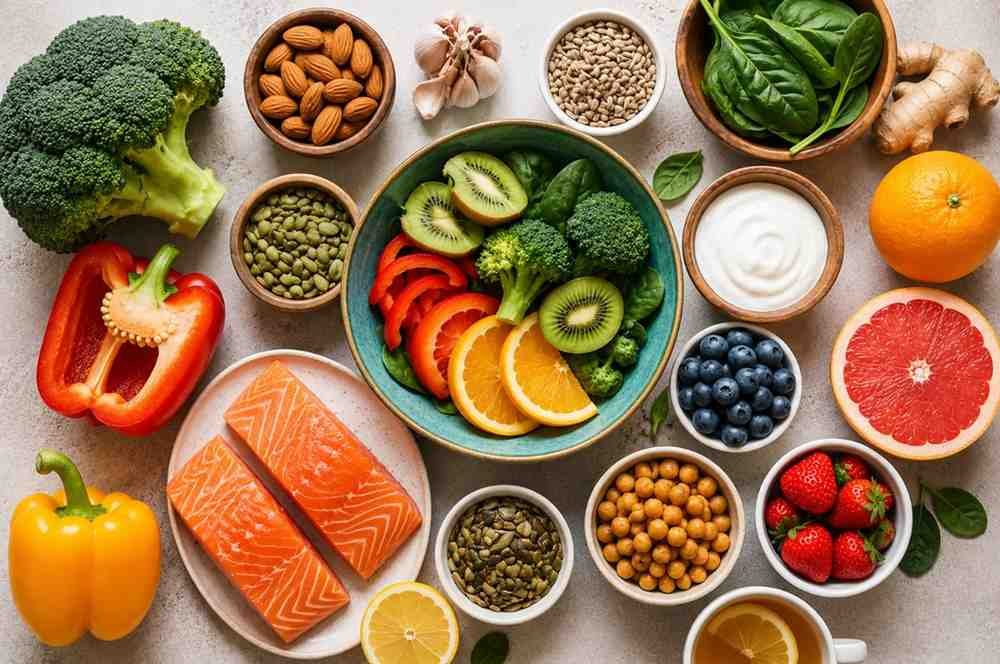
Food plays a key role in our lives. Everything we eat is a mix of vitamins and minerals that keep the body running. These nutrients regulate metabolism, repair cellular damage, and support tissue growth every single day. But did you know your diet also decides how well your body fights infections and protects itself against disease?
Many people, for one reason or another, struggle to eat a balanced diet full of vegetables and fruits. These foods carry the vitamins and minerals that work as natural immune system boosters.
If you’re wondering how to boost your immune system naturally, this guide breaks down the best vitamins and minerals for immune system health, how they work, and where to get them.
Why Vitamins Matter for Immune System Health
A strong immune system isn’t built overnight. It develops over time through consistent nutrition, sleep, and lifestyle habits. Your body needs a steady supply of nutrients to produce white blood cells, generate antibodies, and repair tissue after fighting off illness.
When your diet lacks key nutrients, your immune response slows down. This makes you more likely to catch colds, take longer to heal, and feel run down more often. That’s why immune system vitamins are talked about so much, especially heading into cold and flu season.
Here are the 10 vitamins and minerals your body relies on most.
1. Vitamin A
Vitamin A is one of the best vitamins for immune system support because it helps ward off infections, particularly respiratory illnesses. It strengthens both the adaptive and innate immune systems.
The adaptive immune system produces antibodies that attack foreign invaders like the flu virus. The innate immune system protects your eyes, skin, respiratory tract, reproductive organs, and gastrointestinal tract.
Many plants contain carotenoids, a type of vitamin A that acts as a powerful antioxidant and fights inflammation. You’ll find it in carrots, sweet potatoes, spinach, and kale.
2. Vitamin B Complex
Vitamin B is essential for cellular growth and function. These vitamins convert proteins, carbohydrates, and fats into usable energy.
The B complex includes eight vitamins: B1 (thiamin), B2 (riboflavin), B3 (niacin), B5 (pantothenic acid), B6 (pyridoxine), B7 (biotin), B9 (folate), and B12 (cobalamin).
Vitamin B12 stands out for immune health. It supports nerve tissue, brain function, and DNA formation. It also helps produce red blood cells and prevents anemia. You can get B12 from meat, poultry, fish, eggs, dairy, seeds, nuts, and fortified cereals.
3. Vitamin C for Immune System Support
Vitamin C is often called the best immune booster, and for good reason. As a powerful antioxidant, it protects the body from damage caused by free radicals.
Vitamin C also helps prevent severe lung inflammation, which matters during respiratory illness recovery. Beyond that, it produces collagen, which supports wound healing, and improves how well your body absorbs iron from food.
The best food sources include citrus fruits, kiwis, tomatoes, bell peppers, and broccoli. Many people also turn to vitamin C supplements for immune system support, especially during flu season, though whole food sources remain the most reliable option.
4. Vitamin D and Immune System Function
Bone health and body strength depend largely on how well your body absorbs calcium, and vitamin D makes that possible. Even brief sun exposure helps your body produce this “sunshine vitamin” and strengthens immunity.
You can also get vitamin D3 through foods like tuna, salmon, egg yolks, mushrooms, fortified cereals, and milk. Beyond immunity, vitamin D plays a role in mood regulation, weight management, and heart health.
Many adults are deficient in vitamin D, especially during winter months or in areas with limited sunlight, which is why supplementation is often recommended after a blood test confirms low levels. Low vitamin D levels are also linked to declining testosterone, which is why some men explore testosterone replacement therapy alongside dietary changes.
5. Vitamin E
Vitamin E is another major antioxidant that combats infection and protects your cells from free radical damage. It also helps prevent unwanted blood clot formation and plays a role in nearly 200 biochemical reactions in the body.
Good sources include peanuts, almonds, hazelnuts, sunflower oil, wheat germ oil, and safflower oil.
6. Iron
Iron builds red blood cells. A protein called hemoglobin uses iron to carry oxygen from your lungs to the rest of your body. This process directly strengthens the immune system’s ability to fight infections and disease.
Iron also supports muscle strength, reduces bruising, improves sleep quality, and helps with concentration. Good dietary sources include seafood, meat, beans, lentils, broccoli, and spinach.
Iron deficiency is one of the most common nutrient deficiencies worldwide, and it can leave you feeling fatigued and more prone to infection even before other symptoms show up.
7. Zinc
Zinc plays a key role in immune function. It supports DNA and protein synthesis, helps maintain hormone levels, and contributes to healthy brain function.
Zinc also acts as a cofactor for roughly 300 enzymes in the body. A deficiency can lead to delayed wound healing, diarrhea, slowed growth, and sexual dysfunction.
You’ll find zinc in dairy products, seafood, meat, poultry, beans, whole grains, and nuts.
8. Magnesium
Magnesium is a natural muscle relaxant that helps muscles contract and relax properly, including the muscles in your intestines. It’s involved in roughly 600 reactions in the body, covering protein formation, energy production, nervous system regulation, gene maintenance, and muscle movement.
Magnesium also helps reduce inflammation and supports mood regulation. It offers protective benefits against high blood pressure, type 2 diabetes, and migraines.
9. Calcium
More than 99 percent of the calcium in your body is stored in your bones and teeth, where it provides structural support. A calcium deficiency can lead to conditions like arthritis and osteoporosis over time.
The remaining calcium in your body supports critical neurological and muscular functions. Good sources include dairy products, fortified orange juice, sardines, kale, broccoli, and tofu.
10. Selenium
Selenium doesn’t get as much attention as other nutrients, but it plays an important role in immune health. It contains powerful antioxidants that protect against free radical damage and helps the body fight off viruses, bacteria, and parasites.
Selenium also supports heart health, mental wellbeing, thyroid function, and respiratory health. Good sources include oysters, eggs, chicken breast, shiitake mushrooms, brazil nuts, and yellowfin tuna.
How to Build Immune System Strength Through Diet
Getting these vitamins and minerals from food is generally more effective than relying on supplements alone, since whole foods deliver nutrients alongside fiber, water, and other compounds that support absorption. Many of these immune-boosting foods also double as some of the best foods for weight loss.
A few habits that support long-term immune health:
- Eat a variety of colorful fruits and vegetables daily
- Include lean protein sources like poultry, fish, beans, and legumes
- Choose whole grains over refined carbohydrates
- Stay hydrated throughout the day
- Prioritize consistent sleep, since poor sleep weakens immune response
- Manage stress levels, as chronic stress suppresses immunity over time
Signs You Might Have a Vitamin or Mineral Deficiency
It’s not always obvious when your body is running low on a key nutrient. Some common signs include:
- Frequent colds or infections
- Slow wound healing
- Constant fatigue or low energy
- Brittle hair or nails
- Pale skin or unusual bruising
- Muscle cramps or weakness
If you notice these symptoms regularly, it’s worth speaking with a doctor before starting any supplement routine. A simple blood test can identify which nutrients you’re actually missing, rather than guessing.
Can You Take Too Many Immune-Boosting Vitamins?
Yes. More isn’t always better when it comes to vitamins and minerals. Fat-soluble vitamins like A, D, and E build up in your body over time, and taking high doses without medical guidance can lead to toxicity.
Water-soluble vitamins like vitamin C and B12 are generally flushed out through urine, but excessive doses can still cause digestive discomfort. The safest approach is getting these nutrients from food first and only supplementing when a healthcare provider recommends it based on your actual levels.
Vitamins and Minerals Are Essential for Immunity
If you eat a balanced and varied diet consistently, you’ll build a strong immune system over time. The vitamins and minerals covered here play a real role in keeping your body’s defenses ready.
Beyond food, supplements can help fill in gaps, especially for nutrients like vitamin D that are harder to get enough of through diet alone. Before adding any immune system vitamins to your routine, it’s best to consult a physician who can guide you based on your specific health needs.
Frequently Asked Questions
What vitamins are best for boosting the immune system?
Vitamin C, vitamin D, vitamin A, zinc, and selenium are among the most researched nutrients for immune support. Each plays a different role, from fighting free radicals to supporting antibody production.
Do vitamin C supplements actually help the immune system?
Vitamin C supports immune function by acting as an antioxidant and supporting collagen production, but supplements work best when they fill a genuine dietary gap rather than replacing whole food sources like citrus fruits and bell peppers.
Can vitamin D deficiency weaken your immune system?
Yes. Low vitamin D levels are linked to a higher risk of respiratory infections and slower immune response. Many people, especially those with limited sun exposure, benefit from testing their vitamin D levels periodically.
What are the best natural sources of immune-boosting vitamins?
Citrus fruits, leafy greens, nuts, seeds, seafood, eggs, and dairy products cover most of the vitamins and minerals your immune system needs. A varied diet is usually more effective than relying on a single food or supplement.
How long does it take for vitamins to improve immune function?
It varies by nutrient and by how deficient you were to begin with. Some people notice improvements in energy and resilience within a few weeks of correcting a deficiency, while building overall immune strength through diet is an ongoing, long-term process.