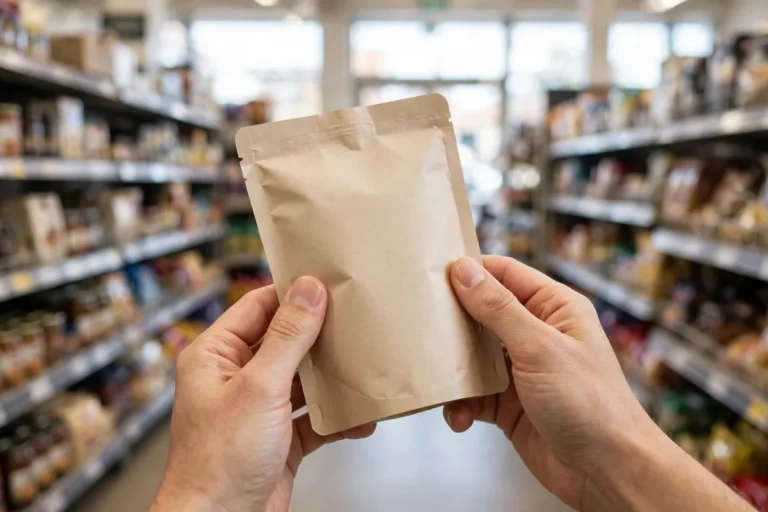
Common Mistakes People Make Reading Supplement Labels
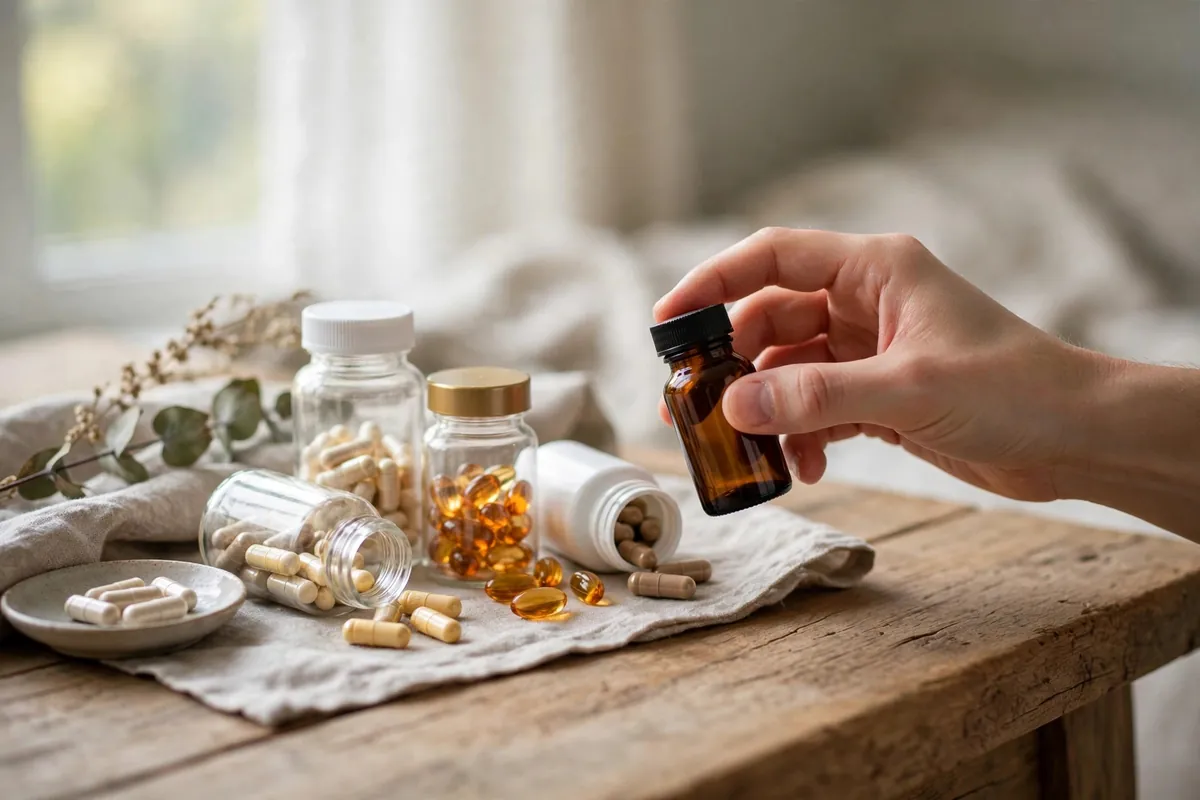
Most mistakes with supplement labels start on the front of the bottle, which is designed to sell rather than inform. Reading supplement labels well means turning the bottle over, finding the facts panel and ingredient list, and treating every claim as something to check rather than something proven.
Here are the reading supplement labels mistakes that come up most often, and what to look at instead.
Taking the front label at face value
Words like “advanced”, “clinical strength” or “pure” have no fixed meaning. The same goes for images of fruit, laboratories or athletes. The information that describes what is in the product sits on the back or side, usually in a boxed panel listing each ingredient and the amount per serving. Start there every time, the same way you would with a nutrition label on food.
Reading a health claim as an approval
In many countries, supplements are not assessed like medicines before they go on sale. A phrase such as “supports immune health” or “promotes joint comfort” describes a general role, not evidence that the product will do anything for you. In the United States, labels carrying these claims must include a statement that they haven’t been evaluated by the Food and Drug Administration. That line is easy to skip, but it tells you a lot.
Missing what a proprietary blend hides
Some labels group several ingredients under a single branded “blend” and give one total amount. That means you can’t tell how much of each ingredient the product contains. A long list of impressive-sounding ingredients inside a blend may include some in very small quantities. If a label won’t tell you what you’re taking, that is worth noticing.
Skipping the other ingredients
Beneath the main panel there is usually a list of other ingredients: capsule materials, fillers, colourings, sweeteners and flavourings. This is where you’ll find gelatin, common allergens, or sugar alcohols that upset some people’s digestion. It works much like reading the ingredient list on a sports drink: the order and the small print matter.
Assuming natural means harmless
Plant-based and herbal products can still be potent, and some interact with prescription medicines or affect how they work. A label rarely spells this out. The practical rule is simple: tell your doctor or pharmacist about everything you take, including anything bought online or over the counter.
Doubling up without realising
A multivitamin, a separate immune product and a fortified drink can all contain the same nutrient. More is not automatically better, and the NHS notes in its guide to vitamins and minerals that taking too much of some can cause harm. Comparing panels side by side is the only way to spot overlap.
Misreading quality seals
Some products carry a mark from an independent testing organisation. These seals generally confirm that the product contains what the label says and meets manufacturing standards. They do not mean the product works, or that you need it.
Reading supplement labels: one step to take this week
Gather every supplement in your home, photograph the front and back of each one, and bring the photos to your next pharmacy visit or GP appointment. A pharmacist can tell you in minutes whether anything overlaps or conflicts with other medicines you take.
If you are pregnant, taking prescription medication, or managing a health condition, speak to your doctor or a registered dietitian before starting any supplement. For most people, a varied diet covers what the body needs, and the label is a reason to ask questions rather than a reason to buy.
Reading a Supplement Facts panel from top to bottom
The Supplement Facts panel follows a fixed layout. Reading it in order takes less than a minute once you know the sequence.
Start with serving size and servings per container
Everything on the panel hangs off the serving size printed at the top, and every nutrient amount below is calculated for exactly that amount. Serving size is set by the manufacturer, not by any standard dose, so two similar products can define it differently. Always multiply servings per container by the serving size to see how long the bottle actually lasts and what each day truly costs.
Check the amount per serving and mind the units
The middle column lists how much of each ingredient one serving provides. Units matter: one milligram equals one thousand micrograms, so two products that look similar can differ enormously, and comparing them requires converting to the same unit first.
Decode the % Daily Value
The far right column shows the percent Daily Value: how much of a nutrient’s established daily reference one serving provides. As a rough guide, five percent or less counts as low and twenty percent or more counts as high, which makes %DV useful for spotting very large doses and comparing products on equal footing. Our guide to how to read a nutrition label walks through the same logic for packaged foods. Many herbal ingredients have no established Daily Value, so you cannot judge those doses against any standard, which is one more reason to discuss unfamiliar ingredients with a pharmacist.
Red-flag claims that should make you pause
The front of the bottle is marketing, and some marketing crosses lines that regulation draws clearly. Supplements may describe general roles such as “supports immune health,” but they may not legally claim to diagnose, treat, cure or prevent any disease. A product that says it reverses diabetes is making a claim reserved for approved drugs. Watch for miracle language too: works instantly, secret formula, guaranteed results. Dramatic testimonials are not evidence.
What regulators actually require on the label
Under U.S. law, a dietary supplement is a product meant to supplement the diet that contains one or more dietary ingredients, such as vitamins, minerals, herbs, or amino acids. That legal definition is broader than most shoppers realize, covering everything from vitamin D to herbal blends. Supplements are not approved for safety and effectiveness before sale the way medicines are, which is why the label carries the lines most shoppers skip: the statement that the product’s claims have not been evaluated by the Food and Drug Administration. That disclaimer is the label telling you the truth about its own limits. The NIH Office of Dietary Supplements maintains free, evidence-based fact sheets on vitamins, minerals and popular herbal products. Checking an ingredient there before you buy is one of the fastest ways to separate studied uses from marketing stories.
Comparing two products side by side
Put the two Supplement Facts panels next to each other and check the serving size each one uses, the amount per serving in matching units, the %DV column for surprisingly high doses, whether either hides ingredients in a proprietary blend, and the other-ingredients list for allergens. Two products with similar front labels often turn out to be very different once the panels are compared. This is the same discipline as reading the ingredient list on a sports drink, which our guide to reading sports drink ingredient lists covers in detail.
Buying supplements online: the label photos matter
Online shopping removes your ability to turn the bottle over, so the product photos have to do that job. Be wary of listings that crop, blur or omit the Supplement Facts panel. Prefer the brand’s own store or an established retailer over an unknown marketplace seller.
Frequently Asked Questions
What does % Daily Value mean on a supplement label?
It shows how much of a nutrient’s established daily reference one serving provides. Five percent or less is generally low and twenty percent or more is high. Many herbal ingredients have no Daily Value at all.
Are supplement health claims approved by the FDA?
No. Supplements are not approved for safety and effectiveness before sale like medicines are. Labels carrying health claims must state they have not been evaluated by the FDA.
What is a proprietary blend, and is it bad?
A proprietary blend groups several ingredients under one total amount without revealing each dose. It is legal, but it prevents you from verifying whether you are getting a studied amount or a token amount.
Do third-party seals mean a supplement works?
No. Seals from independent testing organizations generally confirm the product contains what the label says. They do not mean the product is effective.
Should I ask anyone before starting a supplement?
Yes, especially if you are pregnant, managing a health condition, or taking prescription medication, since supplements can interact with medicines.
Conclusion
Reading supplement labels well comes down to a simple habit: ignore the front, study the back. Work the Supplement Facts panel from serving size down through %DV, read the other-ingredients list, treat blends and miracle claims with skepticism, and compare panels before you compare prices. The label cannot tell you whether a product will help you, but it can tell you exactly what you are considering putting in your body. For more practical guides on reading labels, visit the All Day Health & Fitness homepage.