Common Mistakes People Make Staying Hydrated During Exercise
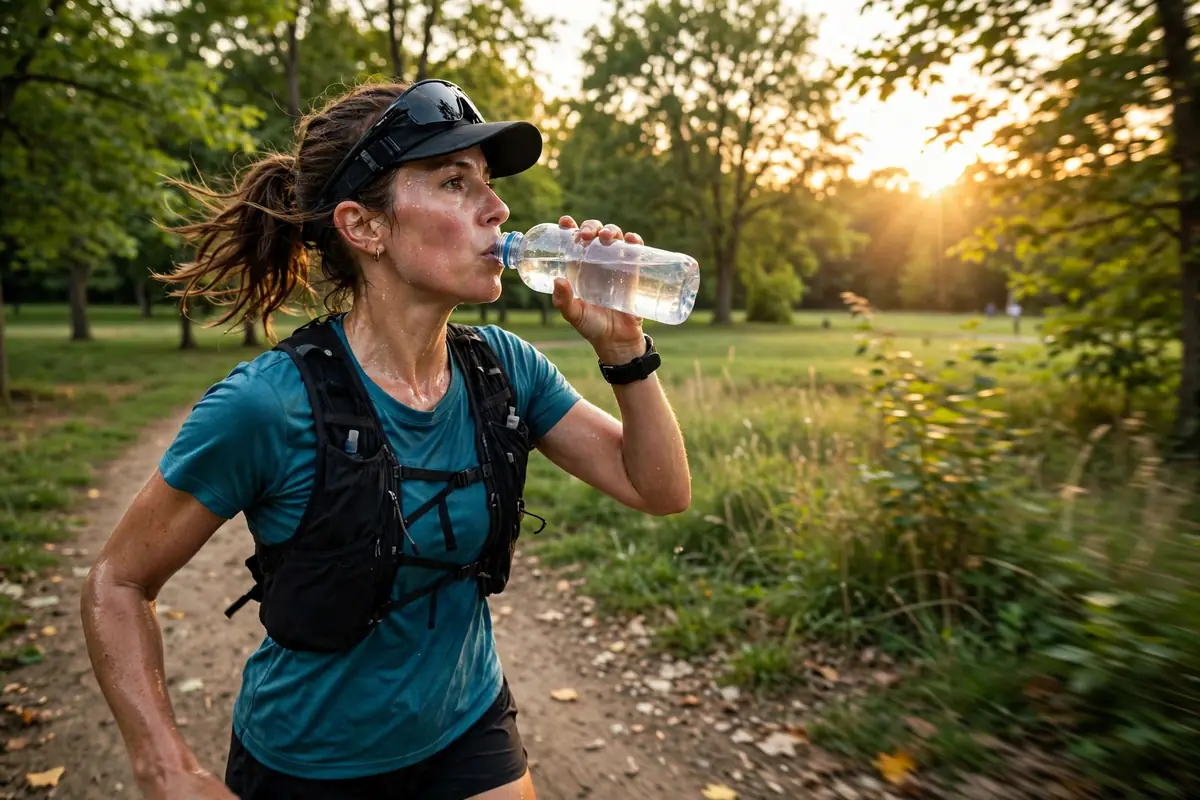
Most hydration during exercise mistakes come down to timing, not the amount of water in the bottle. Drinking a large amount right before a workout, waiting until you’re already thirsty, or trying to fix dehydration in one go afterward are all more common than drinking too little water in general.
The hydration during exercise mistakes that matter most
Thirst is a lagging signal — by the time you notice it, you’re often already somewhat behind on fluids for the session. Sipping water in the hour or two before exercise, rather than skipping fluids until your mouth feels dry mid-workout, keeps you from starting a session already behind.
Drinking a large amount right before starting
Chugging water in the ten minutes before a workout tends to just sit uncomfortably in your stomach rather than actually helping you in time to matter for the session ahead. Spacing fluid intake across the hour before exercise, rather than all at once right beforehand, gives your body time to absorb it instead of just carrying it around.
Ignoring fluid needs during longer sessions
Short workouts under 45 minutes usually don’t need fluid mid-session for most people. Longer sessions, especially in heat, are where skipping water during the workout itself becomes a mistake — waiting until you finish to rehydrate means you spent the whole session in a fluid deficit that affects how you feel and perform, not just how thirsty you get.
Treating all fluids the same afterward
Plain water covers most people’s needs after typical exercise. Sports drinks and added electrolytes matter more for long, sweaty sessions in heat, not a standard hour at the gym — reaching for a sugary sports drink after every workout adds a habit that most sessions don’t call for.
Coffee and other caffeinated drinks earlier in the day don’t cancel out your hydration the way older advice sometimes suggested. Moderate caffeine intake has a mild diuretic effect at most for people who consume it regularly, so there’s no need to treat your morning coffee as a separate problem to solve on top of everything else.
Hydration mistakes are also easy to overlook because they don’t cause an obvious problem in any single session — the effects show up as sessions that feel harder than they should, or a slower recovery, rather than something dramatic. It’s one of several easy-to-miss habits people build in their first weeks of training without realizing it.
The NHS has more on fluid needs day to day, which is a reasonable baseline to build exercise hydration habits on top of.
Urine color is a rough, practical gauge worth using instead of a fixed number — pale straw suggests you’re keeping up, dark yellow is a signal to drink more, not a source of worry.
Heat and humidity change all of this faster than most people expect. A session that feels manageable indoors can leave you needing noticeably more fluid outdoors on a hot, humid day, simply because you’re sweating more to cool down. Adjusting for conditions, rather than drinking the same amount regardless of the weather, is a habit worth building alongside the timing fixes above. If you have a heart or kidney condition, fluid needs can work differently, so it’s worth checking with your doctor before changing how much you drink around exercise.
How to estimate your own sweat rate
Generic advice like “drink 500 ml per hour” fails because sweat rates vary enormously: roughly 0.8 to 1.4 liters per hour is typical during exercise, but heat, humidity, intensity, body size, and even fitness level shift the number. A one-hour sweat test gives you a personal figure in an afternoon.
The method is simple. Weigh yourself with minimal clothing before a one-hour workout, exercise without drinking if you can manage it (or measure exactly what you drink), then weigh yourself again afterward. Each kilogram lost equals roughly one liter of fluid. Add back anything you drank during the hour. That total is your hourly sweat rate for those conditions. Repeat the test in different weather and you will have a practical hydration plan instead of a guess.
Turning the number into a plan
You do not need to replace 100 percent of sweat during exercise; aiming for roughly 60 to 80 percent is a common guideline that avoids both dehydration and the overdrinking that leads to problems. So if you lose a liter per hour, drinking 600 to 800 ml per hour during the session is a sensible target. For sessions under an hour, plain water in small regular sips is enough. Past the hour mark in heat, switch to fluids with sodium, which is exactly where understanding what electrolytes do during exercise pays off.
Cold weather and indoor training still dehydrate you
People dramatically under-drink in winter and in air-conditioned gyms because sweat evaporates quickly or never feels dramatic. But cold air is dry, breathing losses rise, and heavy clothing traps heat that drives sweating you barely notice. Indoor cycling and heated studio classes are classic cases: enormous fluid losses with no breeze to signal them.
The fix is mostly procedural. Keep water visible and within reach rather than across the room. Set a simple schedule, like a few mouthfuls every 15 to 20 minutes, instead of waiting for thirst, which lags during focused effort. And weigh the cost of overdressing: shedding a layer often does more for your fluid balance than any drink.
After the workout: rehydrate with food and fluid together
Recovery hydration works better with sodium on board, because sodium helps your body retain the fluid instead of flushing it. This is why a normal salty meal after training is genuinely functional, not just appetizing. A practical guideline is about 1.25 to 1.5 liters of fluid per kilogram of body weight lost, spread over a few hours, paired with food containing salt.
Fruits, soups, milk, and smoothies all contribute fluid plus nutrients, which makes them efficient recovery choices. Keep sipping steadily rather than forcing a huge volume at once. And if your training is frequent, your daily habits matter as much as workout-day tactics: carrying a bottle you like, as covered in choosing a water bottle that encourages hydration, quietly solves half the problem before the workout even starts.
Frequently Asked Questions
How much water should I drink per hour of exercise?
A common range is 400 to 800 ml per hour, adjusted to your sweat rate, the heat, and session length. Under an hour, smaller amounts of plain water suffice. Do a personal sweat test rather than copying a fixed number.
Should I drink on a schedule or just when thirsty?
For normal workouts, drinking to thirst works well. For long sessions over 90 minutes or in heat, a loose schedule of small drinks every 15 to 20 minutes prevents falling behind, since thirst lags during hard efforts.
Can you drink too much water during exercise?
Yes. Drinking far beyond sweat losses, especially plain water over many hours, can dilute blood sodium and cause exercise-associated hyponatremia. Its symptoms include nausea, confusion, and bloating. Drink to your measured needs, not to a maximum.
Is it normal to not feel thirsty while working out?
Quite normal. Focus, adrenaline, and mouth breathing blunt thirst signals during exercise. That is why visible water and a simple drinking rhythm help, especially indoors or in cold weather where sweat is less obvious.
Do I need electrolytes for a one-hour gym session?
Usually not. Water plus your regular meals cover it. Electrolytes become worth adding when sessions exceed about an hour, the heat is significant, or you finish with visible salt on your skin and clothes.
Conclusion
Hydration during exercise rewards personalization: measure your sweat rate once, drink on a light schedule during long or hot sessions, add sodium when the effort earns it, and rehydrate with food and fluid afterward. Small and steady beats heroic gulps every time. Mayo Clinic’s overview of how much water to drink every day adds useful context on exercise, environment, and health conditions. For more training fuel strategies that hold up in real life, keep exploring All Day Health & Fitness.