What Muscle Soreness Tells You, and What It Doesn’t
Muscle soreness reflects how unfamiliar a movement was, not how effective the workout was, and chasing it can work against real progress.

Our Fitness section helps you get active and stay active, no matter where you are starting from. You will find beginner friendly workout plans that are actually sustainable, strength training and cardio guides, home workouts with no gym needed, and practical advice on form, pacing, and choosing the right shoes. We also cover the parts people forget, like warming up properly, cooling down, taking deload weeks, and eating for recovery.
This category is built for real life, not just for athletes. You will find guidance on returning to exercise after a long break, staying active during a desk heavy workday, and comparing your progress in a healthy way. Every article is written in plain English with clear steps, so you can build strength, energy, and consistency one week at a time. Whether your goal is to move more each day or train with more structure, these guides will help you get there safely.

Muscle soreness reflects how unfamiliar a movement was, not how effective the workout was, and chasing it can work against real progress.
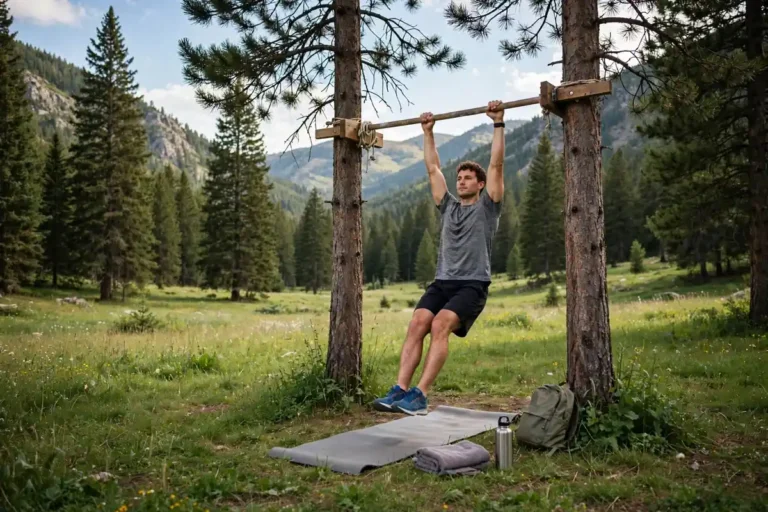
Grip strength is easy to overlook, but building it as a beginner works best with simple, low-load exercises added gradually to an existing routine.

Returning to exercise after a break goes wrong most often when people train at their old intensity instead of rebuilding gradually.

A warm-up and static stretching do different jobs, and doing them in the wrong order can leave you feeling loose but not truly prepared.

The right choice between a home gym and a commercial gym depends less on cost than on which one you’ll show up to consistently.

Reps in reserve is a simple effort scale that adjusts to how you’re feeling that day, instead of relying on a fixed number.

Recovery shows up in more than soreness — performance, sleep, and mood are all early signals worth checking.

Rest days go wrong in both directions — skipping them and treating them as total inactivity are equally common mistakes.

Progressive overload is simpler than it sounds — a small, repeatable increase in effort, not necessarily heavier weight.

Bodyweight training and free weights both build strength — the right starting point depends on access, experience, and goals.
End of content
End of content