Common Mistakes People Make Applying Sunscreen Too Thin
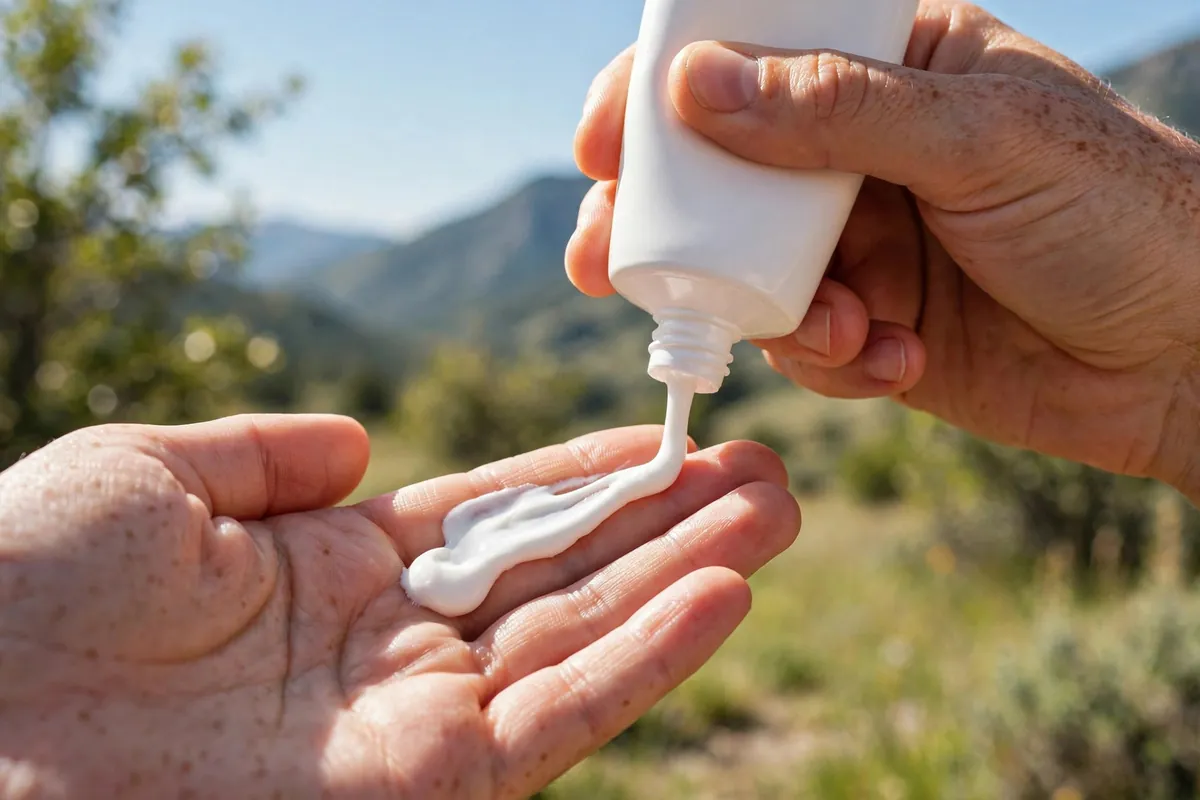
Most people apply sunscreen far more thinly than the amount used when the SPF on the label was tested, so they get noticeably less protection than they think. Fixing that is less about buying a higher number and more about how, where and how often you put it on.
These are the most common mistakes people make applying sunscreen too thin, and the simple correction for each.
Treating a light layer as enough
SPF ratings come from lab testing with a generous, even layer of product. In real life, people tend to spread a small blob as far as it will go. Protection doesn’t drop in a neat straight line when you use less, but it does drop, and a thin layer of a high SPF can end up performing more like a much lower one. Our explainer on what SPF numbers mean covers why the label assumes more product than most people use.
A widely used rule of thumb is roughly enough to fill a shot glass to cover the exposed parts of an adult body. For the face and neck, many people use the two-finger method: squeeze a line of lotion along the length of two fingers.
Relying on makeup or moisturiser with SPF
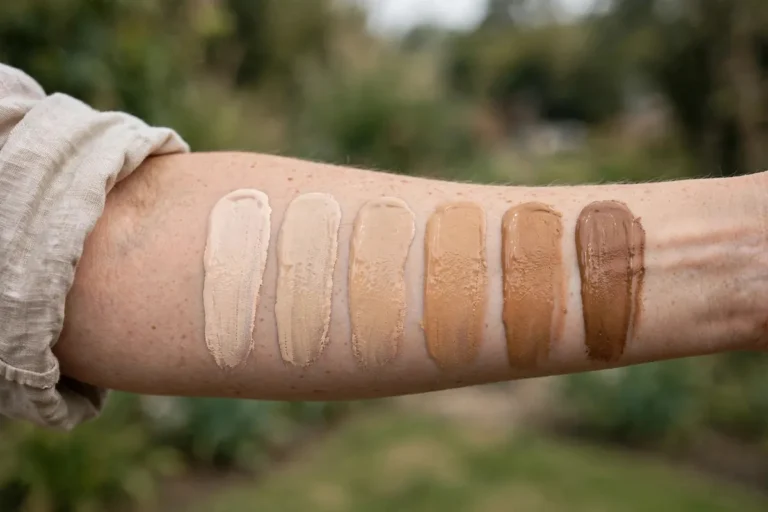
Foundation, tinted moisturiser and day creams with SPF can help, but almost nobody applies them thickly enough to reach the protection on the label. Treat them as a bonus layer on top of sunscreen rather than a substitute for it.
Missing the same spots every time
The areas that burn are usually the ones that get skipped: ears, the back of the neck, the hairline and parting, the tops of the feet and the backs of the hands. Go over these deliberately rather than hoping the edges of your main application reach them. For lips, a lip balm with SPF covers an area regular sunscreen often misses.
Rubbing it in until it disappears
Spreading a small amount and rubbing hard until it vanishes can leave patchy coverage, especially with mineral formulas. Apply in sections, spread evenly, and give it a few minutes to settle before dressing or heading out. With sprays, keep going until the skin looks evenly wet, then rub in, and try not to breathe the mist in.
Applying once and forgetting
Even a well-applied layer wears off with sweat, water, towelling and time. Reapply roughly every two hours when you’re outdoors, and after swimming or heavy sweating, even if the label says water-resistant. That matters on a long run, a bike ride or an afternoon in the park.
The NHS guidance on sunscreen and sun safety sets out these application basics clearly, along with the role of shade and clothing, which do a lot of the work sunscreen can’t.
Next time you head out, measure once. Squeeze out what feels like enough for your face, then compare it with the two-finger line. Most people are surprised by the gap. And if you notice a mole that is new or changing, or get a sunburn that blisters badly, see a doctor or dermatologist rather than waiting it out.
Why a Thin Layer Fails: The Science of Coverage
SPF ratings on sunscreen bottles are determined in laboratory conditions using a generous, even layer of product: 2 milligrams per square centimeter of skin. In everyday life, most people apply far less, and protection drops steeply when the layer thins.
The key point is that the drop is not linear. Studies of sunscreen application have repeatedly found that applying half the tested amount does not give half the labeled SPF; it can give considerably less, because the layer becomes uneven and UV light finds gaps. A thin, rubbed-in layer of SPF 50 may behave more like an SPF in the teens in real-world use, which is why so many people burn despite wearing sunscreen.
Texture matters too. Mineral formulas, which sit on the skin’s surface, need an especially even layer to work well. Chemical formulas absorb into the skin, but they still need enough product to form a uniform film. And patchy coverage from rubbing hard until the product disappears leaves microscopic gaps where UV gets through.
How Much Sunscreen You Actually Need
Forget the blob on a fingertip. The widely used rule of thumb from dermatology guidelines is roughly enough lotion to fill a shot glass, about 30 milliliters, to cover the exposed skin of an adult body. That sounds like a lot because it is, and it surprises almost everyone the first time they measure it.
For the face and neck alone, the commonly recommended method is the two-finger rule: squeeze a line of sunscreen along the length of your index and middle fingers, then apply that amount to your face and neck. The NHS guidance on sunscreen and sun safety sets out these application basics alongside the role of shade and clothing.
Sprays need care as well. The correct method is to hold the nozzle close to the skin and spray until the area looks evenly wet, then rub it in. Many people wave the can at arm’s length and stop far too soon. Because spray mist is easy to under-apply, try not to rely on sprays alone for the face.
Reapplication: The Half Everyone Skips
Even a perfectly applied layer does not last all day. Sunscreen breaks down in sunlight and wears off through sweat, water, toweling, and simply touching your face. The general guidance is to reapply roughly every two hours when outdoors, and sooner after swimming or heavy sweating.
“Water-resistant” labels deserve a note of caution: they mean the sunscreen keeps some protection through limited water exposure, typically 40 to 80 minutes, not that it survives a whole afternoon of swimming. Reapply after toweling off no matter what the label says.
A practical habit that works well: keep a travel-size sunscreen in your bag so reapplication does not depend on remembering to bring the big bottle. And if you want to understand the numbers on the bottle better, our explainer on what SPF numbers mean covers what the label does and does not promise.
Frequently Asked Questions
How much sunscreen should I use on my face?
Use the two-finger rule: a line of lotion along the length of your index and middle fingers covers the face and neck. Most people use far less, which is the main reason sunscreen underperforms in real life.
How often should I reapply sunscreen?
Roughly every two hours when outdoors, and after swimming, sweating heavily, or toweling off. “Water-resistant” means limited water exposure, not all-day protection.
Can makeup with SPF replace sunscreen?
Almost certainly not on its own. Foundation and moisturizers with SPF are applied too thinly to reach the labeled protection. Use them as a bonus layer over dedicated sunscreen.
Do I need sunscreen on cloudy days?
Yes. UV rays pass through cloud cover, and many people burn on overcast days because they skip protection. Daily use matters more than perfect use.
Why do I still burn when I wear SPF 50?
The most likely reason is under-application: a thin layer of SPF 50 can perform like a much lower SPF. Measure the amount once, apply evenly, and reapply every two hours.
Conclusion
Sunscreen works best when applied generously, evenly, and often. Measure the two-finger line once, reapply every two hours, and let shade and clothing do some of the work. For more sun-safety guides, visit All Day Health & Fitness.