
How to Read Ingredient Lists on Sports Drinks and Snacks
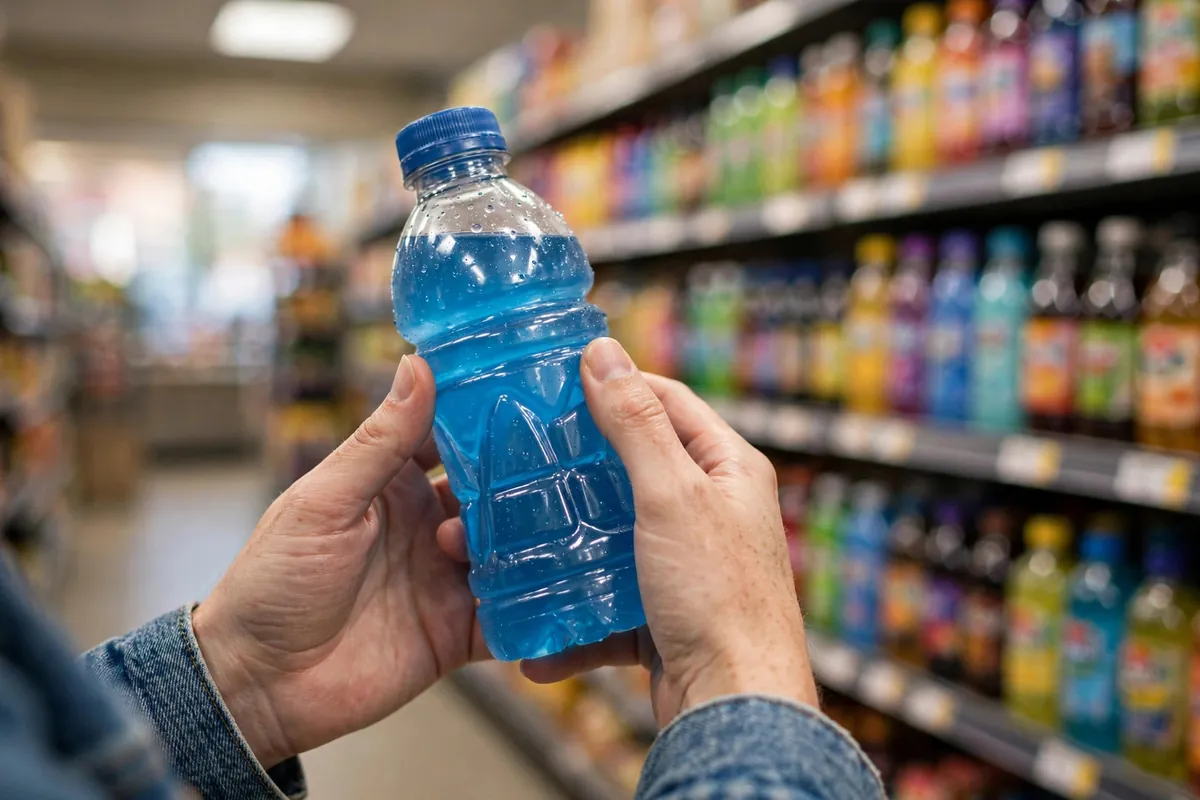
The marketing on a sports drink or snack bar rarely matches what’s sitting in the ingredient panel underneath it. Reading sports drink ingredient lists takes about fifteen seconds once you know which few lines actually matter, and it tells you far more than any claim printed on the front.
What sports drink ingredient lists are telling you
Most sports drinks share the same basic structure: water first, then a sugar source, then the electrolytes. The sugar might be listed as glucose, sucrose, dextrose, or a syrup blend — these are just different forms of carbohydrate, not a sign that one product is cleaner than another. Lower on the list you’ll usually find sodium citrate or sodium chloride and potassium chloride, which are the actual electrolyte sources doing the work the label talks about. Citric acid or an artificial flavor rounds it out for taste. None of this is hidden; it’s just easier to skim past when the front of the bottle is doing the talking instead.
Snack and bar labels hide behind different names
Energy bars and gels use the same trick in reverse: the ingredient list is long, so the eye slides to the nutrition panel instead. Worth checking specifically: what type of sugar appears in the first three ingredients, since ingredients are listed by weight and the earliest ones make up the bulk of the product. Sugar alcohols like sorbitol or maltitol show up often in bars marketed as low sugar and can cause stomach upset in some people well before a workout matters. For the protein source, whey, soy, pea, and rice protein all behave differently in a blend, and none is inherently better — it depends on what settles well in your stomach during activity.
One habit is worth building: read the first three ingredients before you read anything else on the package. That’s where most of the useful information sits, and it takes less time than scanning the marketing copy.
Words like natural, performance, or clean aren’t regulated in any consistent way and can mean almost anything a brand wants them to. The ingredient panel is the one part of the label that has to be accurate, which makes it the only part worth trusting when you’re comparing two products. The NHS has a short guide to how food labels work more broadly, and the same reading order applies to anything with a wrapper.
If you’re managing a condition like diabetes or a food allergy, a quick check with a registered dietitian about which sports products fit your situation is worth more than any label-reading habit on its own — some sodium or sugar levels that are fine for most people need a second look for others.
None of this means every sports drink or bar needs scrutiny before a casual walk or a short gym session. Water covers most everyday activity just fine. The label-reading habit matters most when you’re comparing products for longer or harder efforts, where the specific mix of carbohydrate and electrolytes changes how you feel partway through.
The big three to check: sodium, sugar, and serving size
When you pick up a sports drink, three numbers tell you most of the story. Start with the serving size, because bottles often contain more than one serving and every number on the label multiplies. A bottle that looks like a single drink may list two servings, which doubles the sugar and calories you actually consume.
Next, look at sodium. Sodium is the electrolyte you lose most in sweat, and it is the main functional ingredient in a sports drink. Typical products provide anywhere from about 100 to over 300 milligrams per serving. Higher is not automatically better for casual use, but during long sweaty sessions, a meaningful sodium content is what separates a real sports drink from flavored sugar water.
Then check total sugars and added sugars. Many standard sports drinks carry 20 to 40 grams of sugar per bottle, which is close to a full day of added sugar for some people in a single drink. The carbohydrates do serve a purpose during prolonged exercise, since working muscles burn through glycogen. The question is whether your workout is long and hard enough to need that fuel. For a 30-minute gym visit, the answer is usually no.
Red flags worth noticing
Ingredient lists that lead with multiple sweeteners, such as high fructose corn syrup plus dextrose plus sucrose, are selling energy more than hydration. Bright artificial colors add nothing to performance. And “electrolyte” claims on drinks with barely any sodium are marketing rather than function. None of this makes a drink dangerous, but it helps you match the product to the workout instead of the advertisement.
When a sports drink makes sense and when water wins
The original purpose of sports drinks was narrow: replace fluid, sodium, and carbohydrate during continuous vigorous exercise, typically lasting longer than an hour. In that setting they work well, and research supports their use for endurance performance. Tournament days, long runs, and hot-weather training are their home turf.
Outside that setting, water wins on every measure that matters: cost, calories, and simplicity. A strength session, a yoga class, or a brisk walk does not deplete glycogen or sodium enough to justify 150 calories of sugar water. This is the same logic behind what electrolytes actually do during exercise: match the replacement to the loss, and most everyday training simply does not create a big loss.
There is also a middle ground many people miss. For sessions of 45 to 90 minutes in heat, you can drink water during the workout and eat a salty snack with potassium-rich food afterward. You get the same minerals without paying for a branded bottle. Save the sports drinks for the efforts that truly earn them.
Frequently Asked Questions
How much sodium should a good sports drink have?
Look for at least 100 to 200 milligrams of sodium per serving as a sign the drink is formulated for function rather than flavor. For long endurance efforts, sports nutrition guidance often points toward higher total sodium intake per hour, which may mean more than one serving or a concentrated product.
Are zero-sugar sports drinks better?
They cut the calories, which suits shorter workouts and weight management. But remember that during very long sessions, the carbohydrate in regular sports drinks provides fuel your muscles actually use. Choose based on the workout, not on a blanket rule.
What ingredients should I avoid in sports drinks?
There is no single villain ingredient, but watch for very high added sugar, multiple sweeteners stacked together, and caffeine if you train in the evening or are sensitive to it. Artificial colors are harmless but serve no purpose.
Can kids drink sports drinks?
For most youth sports practices, water is the better choice. Sports drinks make sense mainly for prolonged vigorous activity in heat. The extra sugar and calories are rarely needed for a one-hour practice.
Do I need to check the serving size on powders too?
Yes, especially. Scoop sizes vary widely, and using two scoops in a large bottle can double the carbohydrate and sodium shown on the label. Measure against the preparation instructions, not against habit.
Conclusion
Reading a sports drink label takes less than a minute once you know the pattern: serving size first, then sodium, then sugars. That quick check tells you whether the bottle in your hand matches the workout ahead of you. Pair this habit with the basics in how to read a nutrition label without the overwhelm, and grocery decisions get noticeably easier. The FDA’s guide on how to understand and use the Nutrition Facts label is the authoritative reference behind these label-reading skills. For more everyday nutrition and training guidance, explore All Day Health & Fitness.