How to Choose a Water Bottle That Actually Encourages Hydration
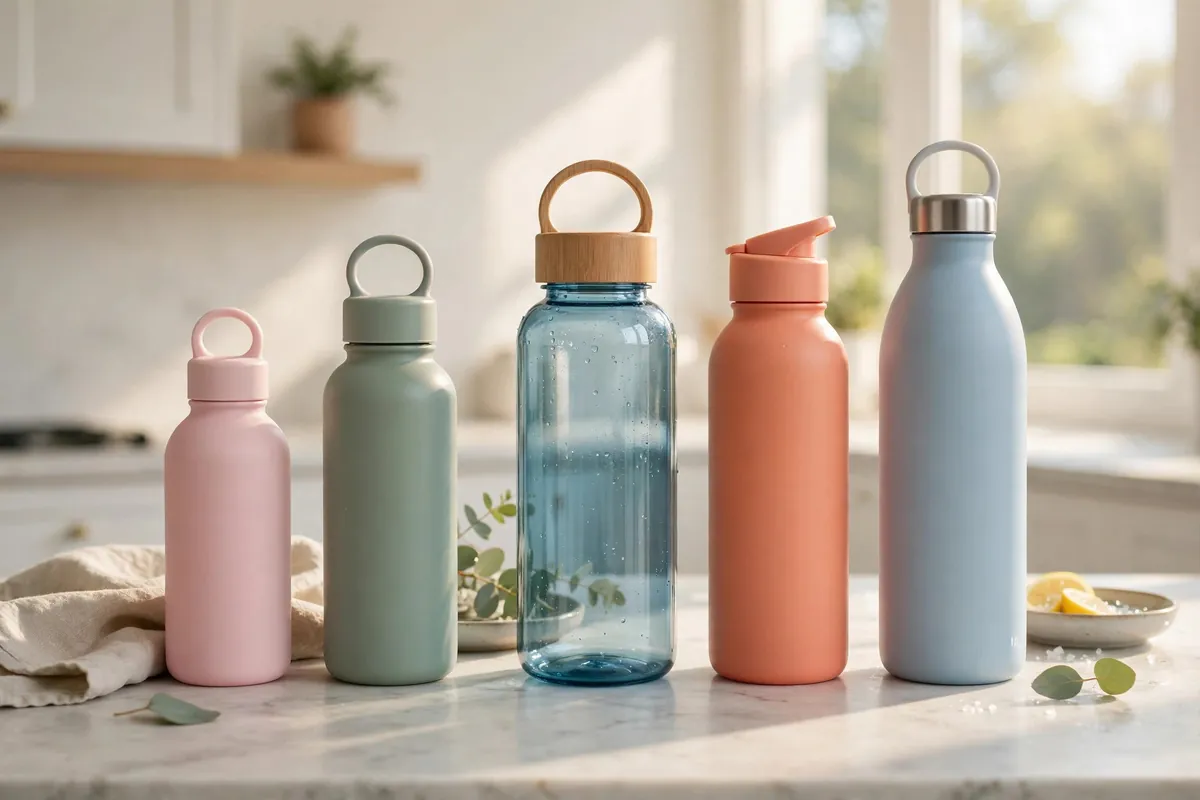
The water bottle that helps most is the one you’ll carry everywhere, enjoy drinking from, and can clean easily; capacity matters less than convenience. When choosing a water bottle for hydration, think about your day first and the product second.
Start with where your day happens
A bottle that suits a desk job may be useless on a building site or a school run. Ask yourself where you usually are when you forget to drink. If it’s in meetings, you want something quiet and discreet with a lid that won’t leak into a bag. If it’s in the car, check it fits your cup holder. If it’s at the gym or on long walks, a handle or loop that clips to a bag makes it far more likely to come with you.
Size is a trade-off. A larger bottle means fewer refills but more weight, and a bottle too heavy to carry comfortably tends to get left at home. A smaller one is easy to take everywhere but only works if you have somewhere to refill it. Plenty of people end up with two: one for the desk, one for the bag.
Features that change the habit
- Lid type: a straw or flip-spout lid lets you sip one-handed, and many people find that leads to more frequent drinking than unscrewing a cap.
- Insulation: if you prefer water cold, a double-walled bottle keeps it that way for hours, which makes it more appealing to drink.
- Wide mouth: easier to fill, add ice or fruit, and scrub clean.
- Clear sides or markings: a see-through bottle lets you glance at what’s left. Treat time markings as a gentle nudge, not a quota.
Materials and cleaning
Stainless steel is durable and doesn’t hold flavours. Glass tastes clean but is heavier and can break. Plastic is light and cheap; look for bottles labelled BPA-free if that matters to you. Whatever the material, a bottle you can’t get a brush into will eventually smell, and a bottle that smells stops being used. Check whether the lid comes apart, because seals and straws are where grime builds up. A daily rinse and a proper wash in hot soapy water a few times a week suits most people.
Choosing a water bottle for hydration, not for a target
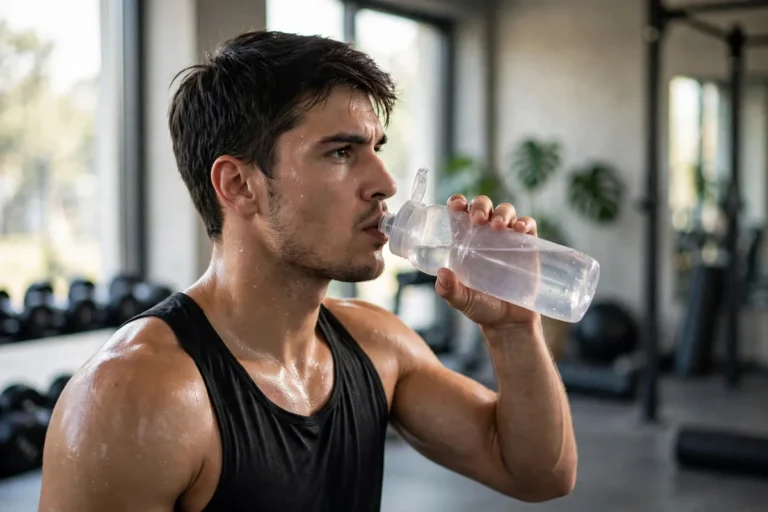
A bottle is a cue, not a scoreboard. Fluid needs vary with temperature, activity, health and what you eat, and the NHS guidance on water, drinks and your health is a sensible reference point. For most healthy adults, thirst is a reasonable guide, and there’s no benefit in forcing down a set amount well beyond it. If you exercise hard or in the heat, our pieces on hydration mistakes during exercise and what electrolytes do during exercise cover the extra considerations.
One small action: fill your bottle tonight and put it next to your keys, so it leaves the house with you tomorrow.
If you have a kidney or heart condition, or a doctor has advised you to limit fluids, follow their guidance on how much to drink rather than any general advice, including this.
How much water should you actually aim for
A bottle only helps if you know roughly what you are aiming at. The U.S. National Academies of Sciences, Engineering, and Medicine set adequate total water intakes at about 3.7 liters a day for men and 2.7 liters for women, but that includes all fluids and the water in food, which supplies roughly a fifth of the total. For most people, that translates to something like 8 to 12 cups of actual drinks across the day, adjusted for activity, heat, and body size.
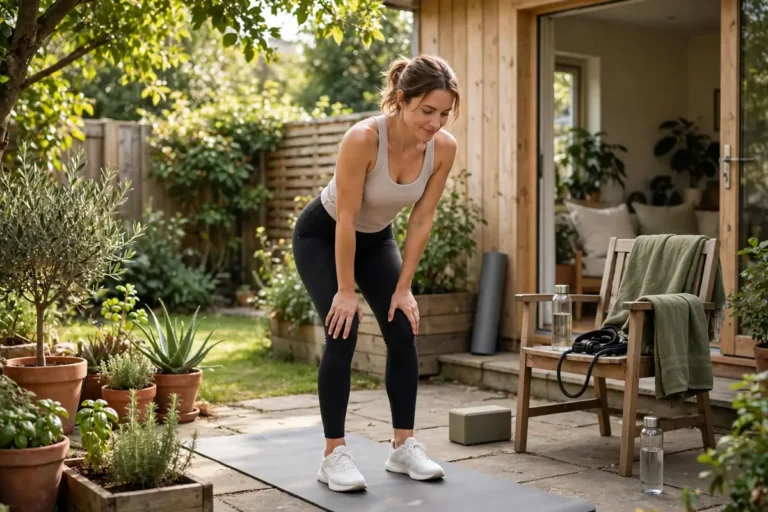
Those numbers are starting points, not prescriptions. A desk worker in air conditioning needs less than a construction worker in summer heat. Exercise adds clear extra demand: drink before, during, and after sessions that make you sweat. The popular “eight glasses” rule is not built on hard evidence, but it survives because it is a reasonable minimum that is easy to remember. If you want the full picture of what water does in the body, the benefits of drinking water daily covers the energy, digestion, and brain function angles in depth.
Simple checks that beat any app
Urine color is the most practical gauge you have: pale yellow suggests good hydration, dark yellow means drink more, and consistently clear urine with very frequent trips can mean you are overdoing it. Thirst itself is a reasonable guide for most healthy adults in normal conditions, though it lags a bit during exercise and in older adults. Body weight swings across a single workout mostly reflect fluid loss, which is useful information for planning your next session.
Signs you are drinking enough, and signs of too much
Mild dehydration announces itself quietly: headache, fatigue, poor concentration, dry mouth, and darker urine. These show up long before anything serious, and they are easy to misread as needing coffee or a nap. If your afternoons regularly slump, try a glass of water before reaching for caffeine and notice what changes.
Overhydration is rarer but real, mostly a risk when large volumes of plain water are drunk quickly during long endurance efforts without electrolytes. Symptoms include nausea, confusion, headache, and bloating. The fix is not fear of water but common sense: spread intake through the day, include electrolytes or salty food around long sweaty sessions, and do not force fluids beyond thirst for normal daily life. The mistakes people make staying hydrated during exercise explain where the line sits during training specifically.
Frequently Asked Questions
Does coffee count toward daily water intake?
Yes. Despite its mild diuretic effect, coffee and tea contribute to daily fluid intake. They count alongside water, milk, and water-rich foods. Just watch the caffeine if it affects your sleep.
Is it bad to drink a lot of water at once?
For normal daily life, your kidneys handle it, but spreading intake through the day is gentler and more effective for staying hydrated. Chugging a liter at night to “catch up” mostly sends you to the bathroom.
How do I know what size bottle to buy?
Match it to your routine: a 500 to 750 ml bottle you will actually carry beats a 1-liter bottle left at home. If you want to track intake, pick a size that divides neatly into your daily target, like two full 1-liter bottles.
Do I need an expensive insulated bottle?
No. Insulation keeps water cold, which some people find more appealing to drink, but it does not change hydration. Spend on insulation for comfort and taste preference, not for health.
Can drinking more water help with weight loss?
It can help indirectly: water has no calories, and drinking it before meals may modestly reduce how much you eat. But water alone does not cause meaningful fat loss without changes to diet and activity.
Conclusion
The right water bottle is the one that makes drinking water the path of least resistance in your actual day. Pair it with a realistic intake target, a glance at your urine color now and then, and steady sipping instead of heroic chugging. Mayo Clinic’s guide on how much water to drink every day is a trustworthy reference for the numbers behind this advice. For more small habits that compound into real health, keep reading All Day Health & Fitness.