What Electrolytes Do During Exercise
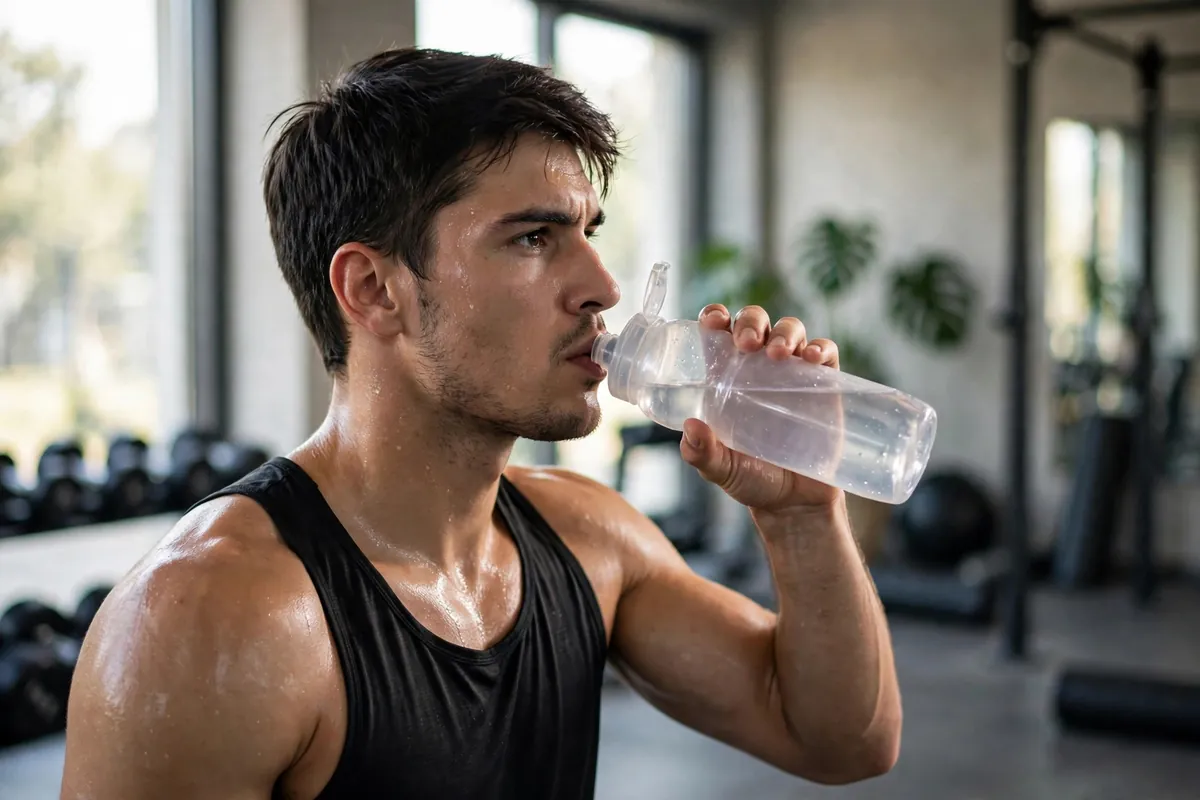
Electrolytes are the minerals — mainly sodium, potassium, and magnesium — that let your nerves fire and your muscles contract properly. What electrolytes do during exercise is manage that signaling and hold onto fluid where your body needs it, which is why losing too many through sweat can make a workout feel harder than it should.
The jobs sodium, potassium, and magnesium are doing
Sodium is the one lost in the largest amount through sweat, and it plays a direct role in how your body holds onto water — low sodium alongside heavy fluid intake is part of why plain water alone doesn’t always solve a hard, sweaty session. Potassium works inside muscle cells to help them contract and relax properly, and a shortfall can show up as cramping or muscles that feel unusually fatigued. Magnesium supports both muscle function and energy production, though it’s lost in smaller amounts than sodium and rarely becomes the limiting factor during a single workout.
None of these minerals work in isolation. They’re balanced against each other and against how much fluid is moving through your system, which is part of why replacing electrolytes usually matters more as a combined picture than as a single number to chase.
When electrolytes actually matter more
For a thirty-minute walk or an easy gym session, sweat losses are small enough that a normal diet and water cover it without any extra thought. The picture changes with duration, heat, and how heavily someone sweats as an individual. Sessions over roughly ninety minutes, hot or humid conditions, and back-to-back training days are where electrolyte losses add up enough to be worth actively replacing — through food, an electrolyte drink, or tablets rather than plain water alone. Someone who sweats heavily and notices salt residue on their skin or clothing after a workout is generally losing more sodium than someone who barely sweats under the same conditions, so this varies more by individual than by workout type.
Cramping during or after exercise is often pointed to as the clearest sign of an electrolyte shortfall, though it’s not the only possible cause — fatigue and unfamiliar movement patterns can produce similar cramping without any mineral imbalance involved at all.
Food covers most of this for most people: fruit, vegetables, dairy, and a normal salted diet supply what a typical training week needs. Electrolyte drinks and tablets are a convenience for longer or hotter sessions, not a requirement for every workout, and more isn’t automatically better — replacing far beyond what was lost through sweat can create its own imbalance.
The NHS has general guidance on staying properly hydrated around exercise if you’re building this into a longer training routine.
Anyone managing high blood pressure, kidney issues, or another condition that affects sodium or potassium levels should check with a doctor before changing how much they’re replacing through drinks or supplements — the general guidance here doesn’t account for a condition that changes the math.
How much electrolyte replacement you actually need
Most everyday workouts do not drain your electrolytes enough to worry about. A 30 to 45 minute gym session or a relaxed jog costs you mainly water, and plain water plus your normal meals refill everything. The picture changes when sessions stretch past an hour, when the heat is high, or when you finish with salt streaks on your shirt. Those are the signs that meaningful amounts of sodium and potassium have left through sweat.
Sports nutrition guidance commonly points to roughly 300 to 700 milligrams of sodium per hour for exercise lasting longer than an hour, with higher needs in hot conditions or for heavy sweaters. You do not need lab equipment to apply this. A standard sports drink, an electrolyte tablet dissolved in water, or even a salty snack with water afterward can cover it. The key detail is matching replacement to duration and sweat, not drinking electrolytes for a short walk around the block.
Watch the balance, not just the bottle
It is possible to overdo plain water during very long efforts. Drinking large volumes of water without any sodium over several hours can dilute blood sodium, a condition called exercise-associated hyponatremia. It is uncommon in typical training, but it is the reason endurance guidelines stress electrolytes rather than water alone for long sessions. For most people, drinking to thirst plus some salty food or an electrolyte drink during long workouts keeps things simple and safe.
Whole foods, sports drinks, or electrolyte tablets
You have three practical routes to replace what sweat takes, and none of them is automatically best.
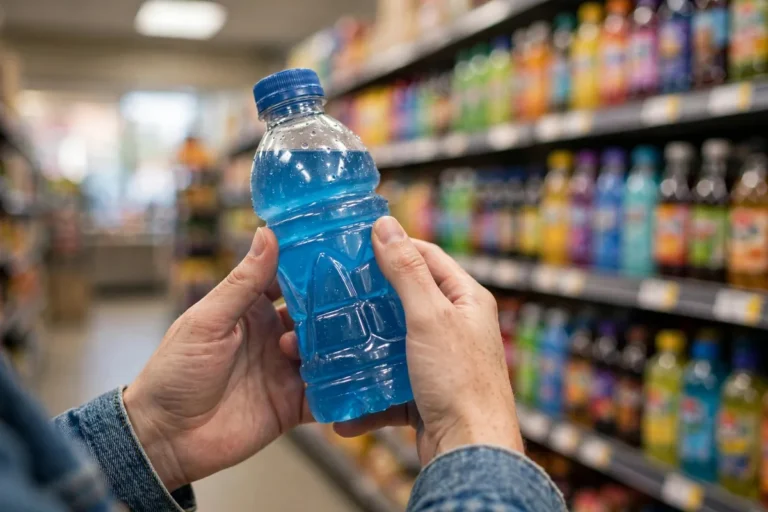
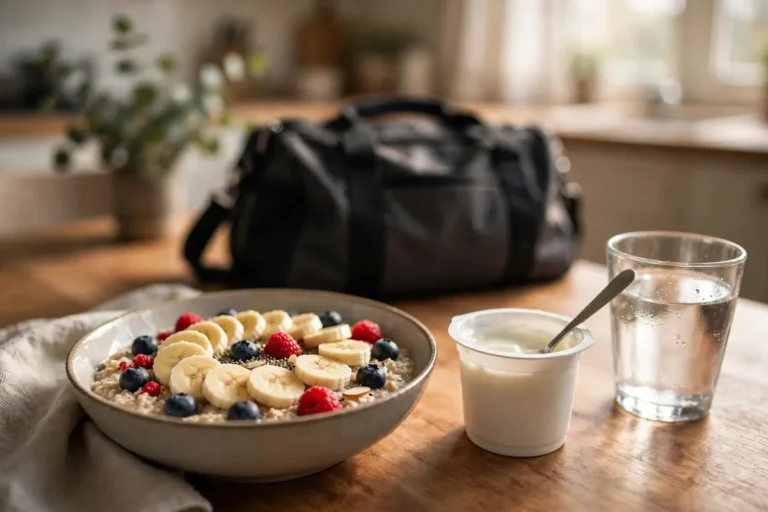
Whole foods work well around workouts. A banana, a handful of salted nuts, yogurt, or a normal meal supplies potassium, magnesium, and sodium in forms your body handles easily. This is the simplest approach for moderate training, and it comes with calories and nutrients a drink cannot provide. Learning how to read sports drink ingredient lists helps you compare these drinks against food honestly, since many bottles deliver far more sugar than electrolytes.
Sports drinks earn their place during continuous exercise beyond an hour, especially in heat. They deliver fluid, sodium, and fast carbohydrates together, which supports both hydration and energy. The trade-off is sugar and cost, so check the serving size on the label before assuming one bottle equals one serving.
Electrolyte tablets and powders sit in the middle. They add sodium and potassium to plain water with little or no sugar, which suits people who want the minerals without the calories. They are also easy to dose for long sessions: one tablet per bottle is a common starting point, adjusted up if you are a heavy sweater.
Frequently Asked Questions
Do I need electrolytes for a 30-minute workout?
Usually not. Short sessions cost you mostly water, and your regular meals replace the small amount of minerals lost. Plain water is enough for workouts under an hour in moderate conditions.
What are the signs my electrolytes are low during exercise?
Muscle cramps, unusual fatigue, headache, dizziness, and nausea during or after long sweaty sessions can all signal fluid and electrolyte losses. These symptoms have other causes too, so treat them as a cue to review your hydration plan rather than a diagnosis.
Is coconut water a good electrolyte drink?
It is a decent natural source of potassium, but it is relatively low in sodium, which is the mineral you lose most in sweat. For long sessions, adding a pinch of salt or pairing it with a salty snack makes it more complete.
Can I get electrolytes from food instead of drinks?
Yes. Salty foods replace sodium, while fruits, vegetables, dairy, and nuts cover potassium, magnesium, and calcium. Food-based replacement works well for moderate training; drinks become more practical during continuous long efforts.
How do I know if I am a heavy or salty sweater?
White salt streaks on dark clothing, stinging sweat in your eyes, and frequent cramping in heat all suggest higher sodium losses. A simple sweat-rate test, weighing yourself before and after an hour of exercise, tells you how much fluid you lose and helps you plan replacement.
Conclusion
Electrolytes keep your muscles firing, your nerves signaling, and your fluid balance steady while you train. For short workouts, water and normal meals are plenty. For longer or hotter sessions, plan your sodium and fluid replacement with the same care you give the workout itself, and keep an eye on the common hydration mistakes people make during exercise that quietly undermine performance. The NIH Office of Dietary Supplements fact sheet on dietary supplements for exercise and athletic performance is a solid evidence-based reference if you want to go deeper. For more practical guidance on training, eating, and recovery, browse the rest of All Day Health & Fitness and build habits that hold up all week.