Building a 10-Minute Yoga Routine for Non-Flexible People
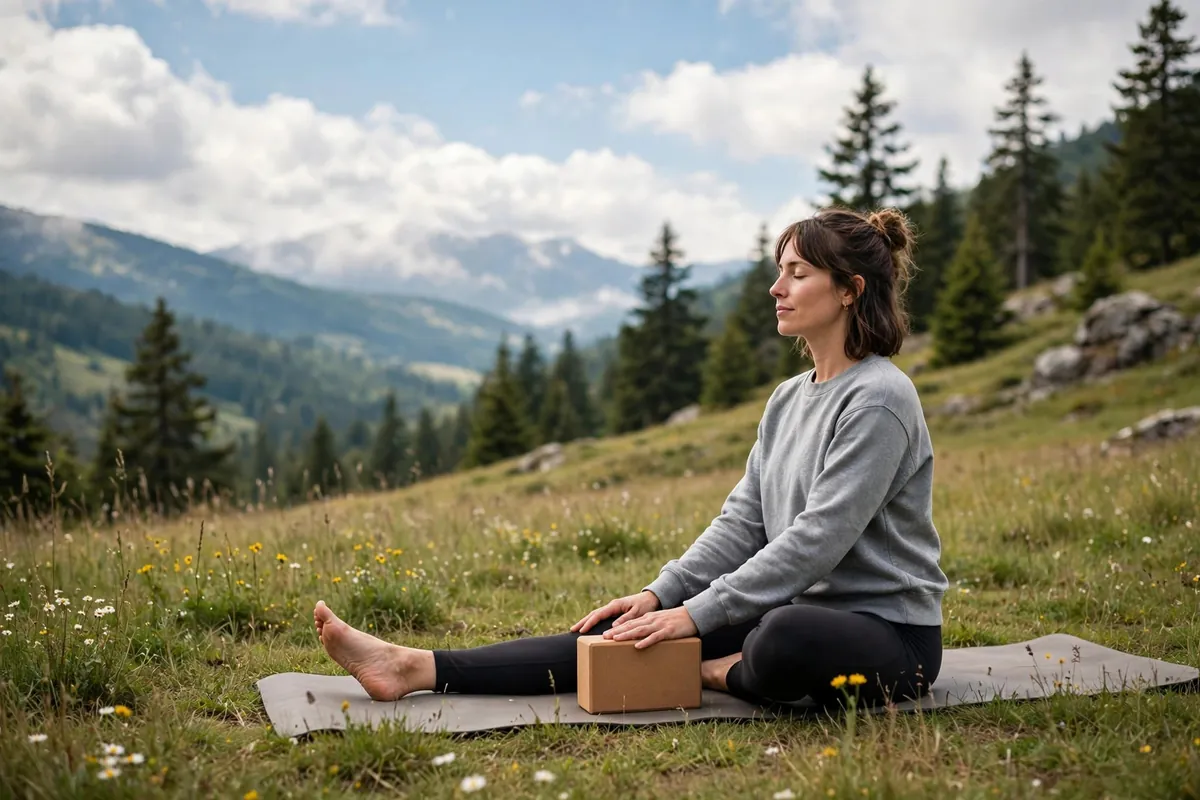
Flexibility is a result of practice, not a requirement for starting it. A 10-minute routine that meets your body where it is today will get finished more often than a 45-minute one aimed at where you’d like to be in six months.
Pick five poses, not fifteen
A short routine works best when it’s short on purpose. Five poses held for a minute or two each, with slow breathing throughout, is enough to loosen the hips, shoulders, and spine without turning into a project. Try cat-cow, a supported forward fold with bent knees, a low lunge, a seated spinal twist, and child’s pose. None of them require touching the floor flat-handed or folding in half.
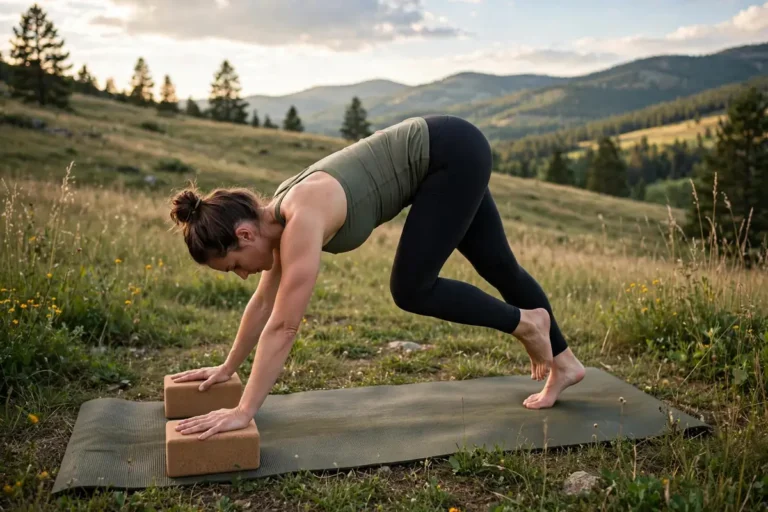
If a pose asks for a straight-leg stretch you can’t do without strain, bend the knee. A yoga block, a rolled towel, or a stack of books under your hands in a forward fold does the same job as a flexible spine — it just gets you there sooner. Tight hamstrings are one of the most common reasons beginners quit early, and there’s a straightforward way to modify downward dog for tight hamstrings instead of forcing the shape.
A low lunge can be propped on a folded blanket under the back knee if the floor feels hard. A seated twist can be done in a chair instead of on the floor, which is often more comfortable for stiff hips first thing in the morning. The goal of each modification is the same: keep the pose accessible enough that you keep doing it, rather than skipping the routine because one shape feels out of reach.
Consistency beats depth
Ten minutes done most days of the week changes a body more than sixty minutes done once. Range of motion improves gradually and unevenly — one week the hips open up, the next the shoulders lag behind. That’s normal, not a sign you’re doing it wrong.
If you’re not sure which overall approach fits you, it helps to choose a yoga style that fits your goals before committing to a routine you’ll want to quit in two weeks. A gentle or restorative class is a reasonable starting point for anyone who feels intimidated by faster-paced styles, and it’s a fine place to stay long-term rather than a stepping stone you have to graduate from.
Breathing matters more than the shape of the pose. Slow, even breaths through the nose signal to the nervous system that it’s safe to release tension, which is often what’s limiting the stretch — not the muscle itself. Holding a pose while breathing in short, shallow bursts tends to keep the same muscles guarded and tight. The NHS has a guide to strength and flexibility exercises that covers safe stretching basics if you want a second source before starting.
Time of day matters less than people assume. Some bodies feel stiffer in the morning and looser by evening; others are the reverse. Doing the routine at whichever time you’ll actually keep doing is more useful than chasing an ideal window.
Anyone with a diagnosed joint condition, a recent injury, or persistent pain during a stretch should check with a doctor or physical therapist before building a routine around it — a blog post can’t account for what’s happening in a specific body.
Start with three poses this week if five feels like too much. The routine only works if it gets repeated.
A Sample 10-Minute Sequence, Minute by Minute
Having a concrete plan removes the main reason short routines fail: standing on the mat wondering what to do next. Here is a full-body sequence built from the poses above, timed so you can follow it without checking a clock constantly.
- Minutes 0 to 2, arrive and breathe: sit comfortably or lie down, and take slow breaths in and out through the nose. Let the shoulders drop and the jaw unclench. This is not wasted time; it tells your nervous system the session has started.
- Minutes 2 to 4, cat-cow: on hands and knees, alternate arching and rounding the spine with the breath, about one full round per slow breath. Wake up the spine before asking anything of it.
- Minutes 4 to 6, supported forward fold: stand with feet hip-width apart, bend the knees generously, and fold forward with hands on blocks, books, or your thighs. Let the head hang heavy for six to eight breaths.
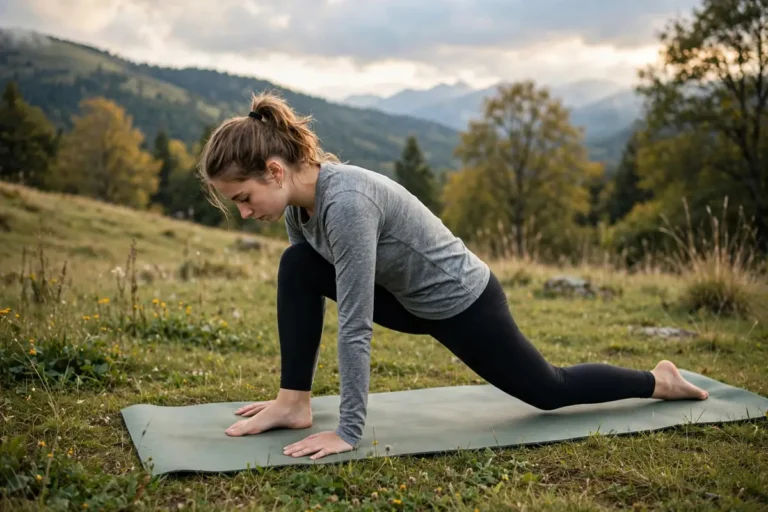
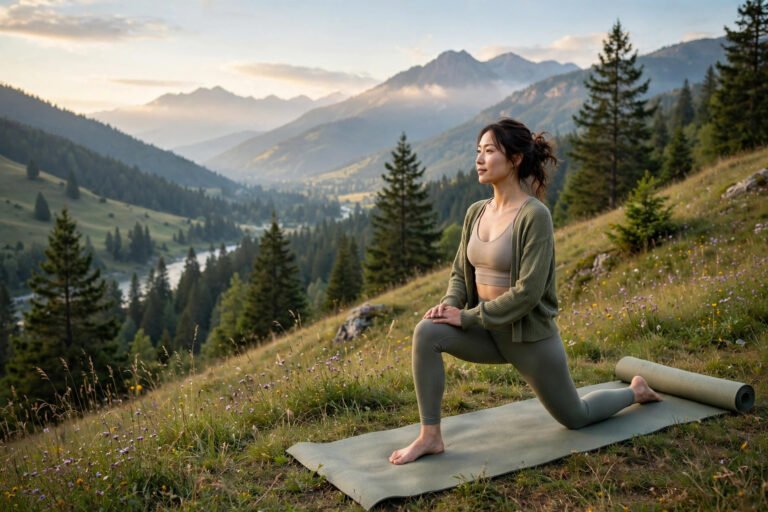
- Minutes 6 to 8, low lunge, both sides: step one foot forward into a low lunge, back knee down on a folded blanket if needed, one minute per side. This opens the hip flexors that tighten from sitting all day.
- Minutes 8 to 9, seated spinal twist: sit tall, cross one leg over the other, and twist gently, thirty seconds per side. Do it in a chair if the floor is uncomfortable.
- Minutes 9 to 10, child’s pose: knees wide, arms extended or alongside the body, forehead resting down. Finish with slow breathing and notice how different your body feels from minute zero.
That is ten minutes, five shapes plus breathing, and nothing in it requires touching your toes. If even this feels like a lot in week one, do just the first three steps. A shorter routine you finish beats a longer one you abandon.
Morning, Evening, or Both
The existing advice holds: the best time is the time you will keep. But the two ends of the day do offer different things, and knowing the difference helps you choose deliberately.
Morning practice works against overnight stiffness. Joints feel creaky after hours of stillness, and gentle movement restores range of motion before the day’s demands arrive. Keep morning sessions extra gentle for the first few minutes, since cold, stiff tissue responds better to easy movement than to deep stretching.
Evening practice works as a decompression ritual. The same sequence done slowly in lamplight helps release the postural tension of a desk day: tight hip flexors, rounded shoulders, a stiff neck. Done an hour or so before bed, it can become part of a wind-down routine that actually helps you sleep, especially if you extend the final child’s pose by a few minutes.
Twice a day is fine once the habit is established, but start with once. Consistency at one time of day builds the habit loop faster than an ambitious twice-daily plan that collapses in week two.
Tracking Progress Without a Flexibility Test
Non-flexible beginners often have no idea whether they are improving, because “can I touch my toes yet” is a crude and discouraging measure. Better markers:
- How the routine feels: poses that once demanded concentration start feeling easy. That is progress, even if the shapes look identical.
- Breath in the poses: being able to breathe slowly in a lunge that once made you hold your breath means your nervous system trusts the position now.
- Daily life feedback: less stiffness getting out of a chair, easier bending to tie shoes, a back that complains less after long drives.
- A monthly photo: one photo of your forward fold on the first of each month. Comparing month one to month four is usually startling.
Range of motion improves unevenly, as the original article notes: hips one month, shoulders lagging behind. That unevenness is normal physiology, not a sign of doing it wrong.
When to Extend Beyond 10 Minutes
Ten minutes is a starting point, not a ceiling. Consider lengthening the routine when the current version feels almost too easy, when you finish wanting more rather than feeling done, or when a specific area keeps asking for attention. Add five minutes at a time, usually by holding each pose a little longer or adding one new shape, rather than doubling the routine overnight.
A natural next step is trying a real class, since home practice builds the vocabulary that makes classes enjoyable instead of bewildering. Reading about the mistakes beginners make in their first yoga class beforehand removes most of the first-day awkwardness.
Frequently Asked Questions
Is 10 minutes of yoga actually enough to make a difference?
Yes, if it is regular. Ten minutes most days delivers more cumulative benefit than an hour once a week, because mobility responds to frequency. You will not become advanced on ten minutes a day, but you will become noticeably less stiff and more consistent, which is the actual goal at this stage.
What if I cannot do some of the poses at all?
Then modify or swap them. Every pose in the sequence above has a chair or prop version, and skipping a shape that causes pain is always correct. The routine serves you, not the other way around.
Should I stretch before or after the routine?
The routine is the stretching. Start with the breathing and cat-cow as your warm-up rather than adding a separate one. If your body feels very stiff, spend an extra minute on gentle movement before the deeper holds.
Can I do this routine with back pain?
It depends on the cause. Gentle movement helps many kinds of muscular back stiffness, but sharp pain, radiating pain, or a diagnosed spinal condition needs professional guidance first. When in doubt, check with a doctor or physical therapist before building a routine around it. The NCCIH overview of yoga safety is a useful background read.
How long until I notice more flexibility?
Most people feel some difference in daily stiffness within two to three weeks of regular practice. Visible changes in range of motion typically take six to twelve weeks. The timeline varies a lot between bodies, so the monthly photo trick above is the honest way to track it.
Conclusion
A ten-minute routine works because it is small enough to survive real life. Pick your five poses, follow the sequence above, do it at the time you will actually keep, and measure progress by how your body feels rather than how the poses look. Flexibility will come as a side effect of showing up. When you are ready for more, the All Day Health & Fitness homepage has guides on choosing a style and preparing for your first class.