What Yoga Does for Your Recovery Days

A recovery day doesn’t have to mean doing nothing, and for a lot of people it shouldn’t. Gentle yoga sits in a useful middle ground: enough movement to support blood flow and mobility, without adding the load that a hard training day does.
What It’s Doing for Your Body
Slow, sustained stretches and light movement through a joint’s full range help maintain mobility that can get tight and stiff after heavy lifting or high-intensity training. Yoga also emphasizes breathing and can lower the general tension that builds up in the shoulders, neck, and hips after a demanding week. None of this replaces rest — it works alongside it, giving your body gentle movement instead of full stillness. Blood flow to worked muscles also tends to increase slightly during light movement, which is part of why an easy day often feels better than a day spent entirely sedentary.
How It’s Different from a Training Day
The goal on a recovery day isn’t to build strength or push your range of motion further than usual. That distinction matters: a recovery-focused yoga session should feel noticeably easier than your regular training, with poses held for comfort and breath rather than intensity. If a session leaves you more fatigued than before you started, it was closer to a workout than a recovery practice, and that’s worth noticing for next time. A useful gauge is whether you finish the session feeling looser than when you started, rather than worked.
Pairing It With the Rest of Your Week
Recovery days work best as part of a pattern rather than an afterthought. Whichever style of strength training makes up your harder sessions, a gentler day in between gives your muscles time to adapt to what they were asked to do. Soreness that follows a hard session is normal, and understanding what DOMS actually involves can help you tell the difference between muscles that are recovering on schedule and something that needs more rest, not less movement. Two or three recovery-focused sessions spread across a training week is a reasonable starting point for most people, adjusted up or down based on how the harder sessions feel.
The NHS guide to yoga covers the basics if you’re deciding whether to add it to your week. If pain shows up during a recovery session rather than easing with gentle movement, that’s a signal to stop and check in with a physical therapist rather than stretch through it.
Recovery days are still training days, just for a different part of the system — the one that lets you keep showing up for the harder ones.
Active Recovery vs Total Rest: Where Yoga Fits
Recovery comes in two broad forms. Passive recovery means complete rest from training, while active recovery means light, easy movement on days between hard sessions. Yoga belongs firmly in the second category, and there is a reason it keeps showing up in recovery plans rather than just stretching routines.
Research on active recovery has generally found that light movement reduces next-day soreness more effectively than doing nothing at all. A 2018 study in the Journal of Strength and Conditioning Research, for example, found that active recovery eased delayed-onset muscle soreness and improved mobility better than complete rest. The proposed mechanism is straightforward: gentle movement increases local blood flow, which delivers oxygen and nutrients to worked tissue and helps clear the metabolic byproducts of hard exercise.
That said, yoga is not magic, and it does not replace the fundamentals. Sleep, food, and genuine rest days still do the heavy lifting in recovery. Think of a gentle yoga session as a supporting player that makes the main recovery work slightly more effective, not as a shortcut around it. If you are unsure whether you are actually recovering between sessions, learning how to tell if you are recovering between workouts can help you spot the difference between normal fatigue and a body asking for more rest.
The Best Styles and Poses for a Recovery Session
Not all yoga qualifies as recovery. A fast vinyasa class or a heated power session is a workout wearing yoga clothes, and treating it as recovery will backfire. The styles that genuinely serve recovery are the slow ones: restorative yoga, yin yoga, and gentle Hatha.
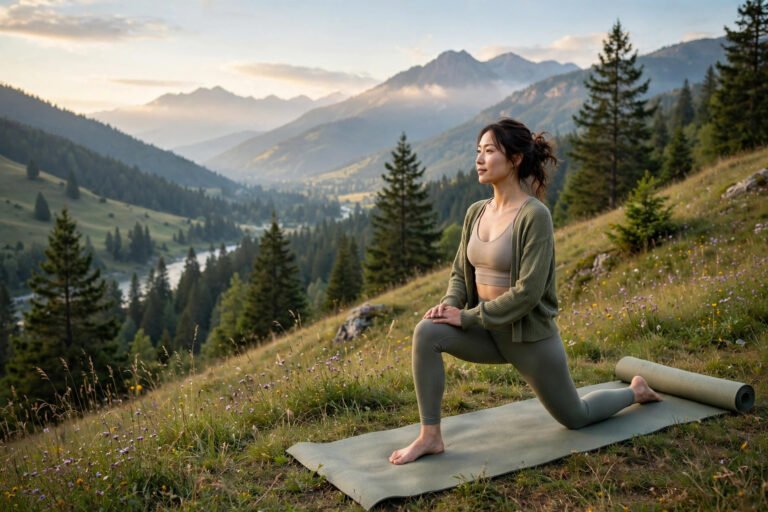
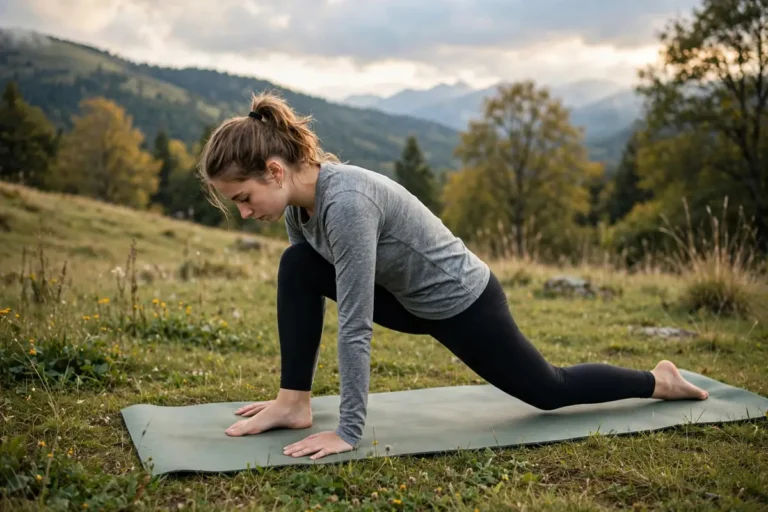
A useful recovery sequence stays close to the floor and favors poses you can hold comfortably for one to three minutes. Reliable choices include:
- Child’s pose (Balasana): gently stretches the back and hips while calming the nervous system.
- Legs up the wall (Viparita Karani): lets gravity assist blood flow back from tired legs; especially kind after running or leg day.
- Reclining twist (Supta Matsyendrasana): releases tension along the spine with almost no effort.
- Cat-cow stretch (Marjaryasana-Bitilasana): mobilizes the spine and warms the muscles along the back.
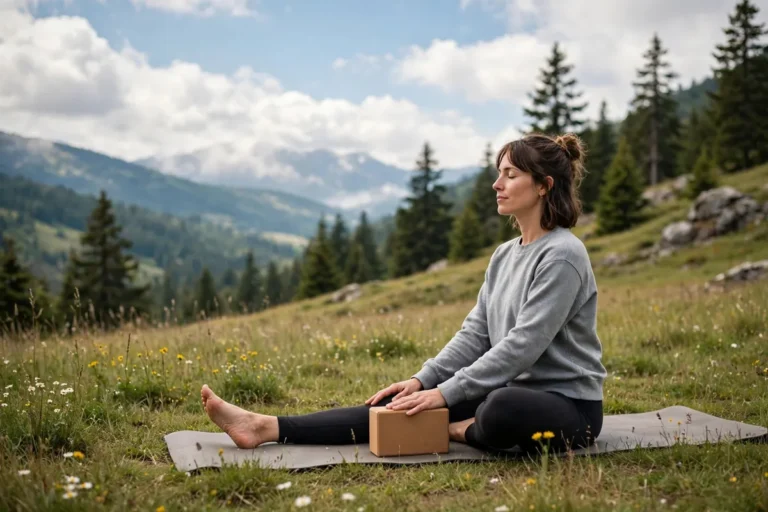
- Supported forward fold: with bent knees and something under your hands, it stretches the hamstrings without demanding flexibility you may not have that day.
Twenty to thirty minutes is plenty. The session should end with you feeling looser and calmer than when you started. If you finish a “recovery” session drenched in sweat, it was not one.
When to Schedule It in Your Week
Placement matters more than most people think. A recovery yoga session works well the day after your hardest training day, when soreness is setting in but has not peaked. An evening session can double as a wind-down, since slow breathing and gentle movement tend to lower the physical tension that makes sleep harder after intense training days.
Two to three recovery-focused sessions per week is a sensible starting point for someone training hard four or five days. On genuinely exhausting weeks, it is fine to swap a planned hard session for a gentle one rather than stacking fatigue. The most common mistakes people make with rest days usually come down to the same error: treating every day like a training day and never giving the body a real downshift.
What to Avoid on Recovery Days
A few things quietly turn recovery yoga into just another workout. Deep, aggressive stretching right after heavy lifting can irritate already stressed tissue, so keep stretches comfortable rather than maximal. Heated classes add cardiovascular and hydration stress that works against recovery. And long static holds on cold muscles first thing in the morning deserve a few minutes of gentle movement first.
The clearest warning sign is pain. Soreness that eases as you move gently is normal. Sharp pain, pain that worsens during the session, or pain in a joint rather than a muscle is a signal to stop and, if it persists, to check in with a physical therapist. Stretching through real pain does not speed recovery; it delays it.
Frequently Asked Questions
Should I do yoga on rest days or take complete rest?
Both have a place. Gentle yoga counts as active recovery and can reduce soreness better than sitting still, according to research on active versus passive recovery. But you still need some fully restful days and enough sleep; yoga complements those, it does not replace them.
How long should a recovery yoga session be?
Ten to thirty minutes is enough. Shorter sessions done consistently beat occasional long ones, and the goal is to finish feeling looser, not worked.
Can yoga reduce DOMS after leg day?
Gentle yoga may ease delayed-onset muscle soreness by promoting blood flow and reducing stiffness, and a 2018 study found active recovery outperformed total rest for DOMS. It will not eliminate soreness entirely, especially after a very hard session.
Is yin yoga or restorative yoga better for recovery?
Both work. Yin holds poses for several minutes to target deep connective tissue, while restorative uses props so your muscles can fully switch off. If you are very sore and tired, restorative is usually the kinder choice.
Can I do recovery yoga in the evening before bed?
Yes, and it is one of the better times. Slow evening yoga can lower physical tension and make it easier to fall asleep after a demanding training day. Keep it gentle and finish at least a little before bed rather than rushing straight from the mat to the pillow. The NCCIH review of yoga research also notes the evidence around yoga, stress, and sleep if you want the scientific picture.
Conclusion
A recovery day done well is not a day off from your training; it is part of the training. Gentle yoga gives those in-between days a structure: light movement, steady breathing, and enough attention to tight spots that you return to hard sessions feeling ready rather than rusty. Keep it slow, keep it comfortable, and let the harder days do the hard work. For more recovery and training guides, browse the All Day Health & Fitness homepage.