How to Choose a Yoga Style That Fits Your Goals
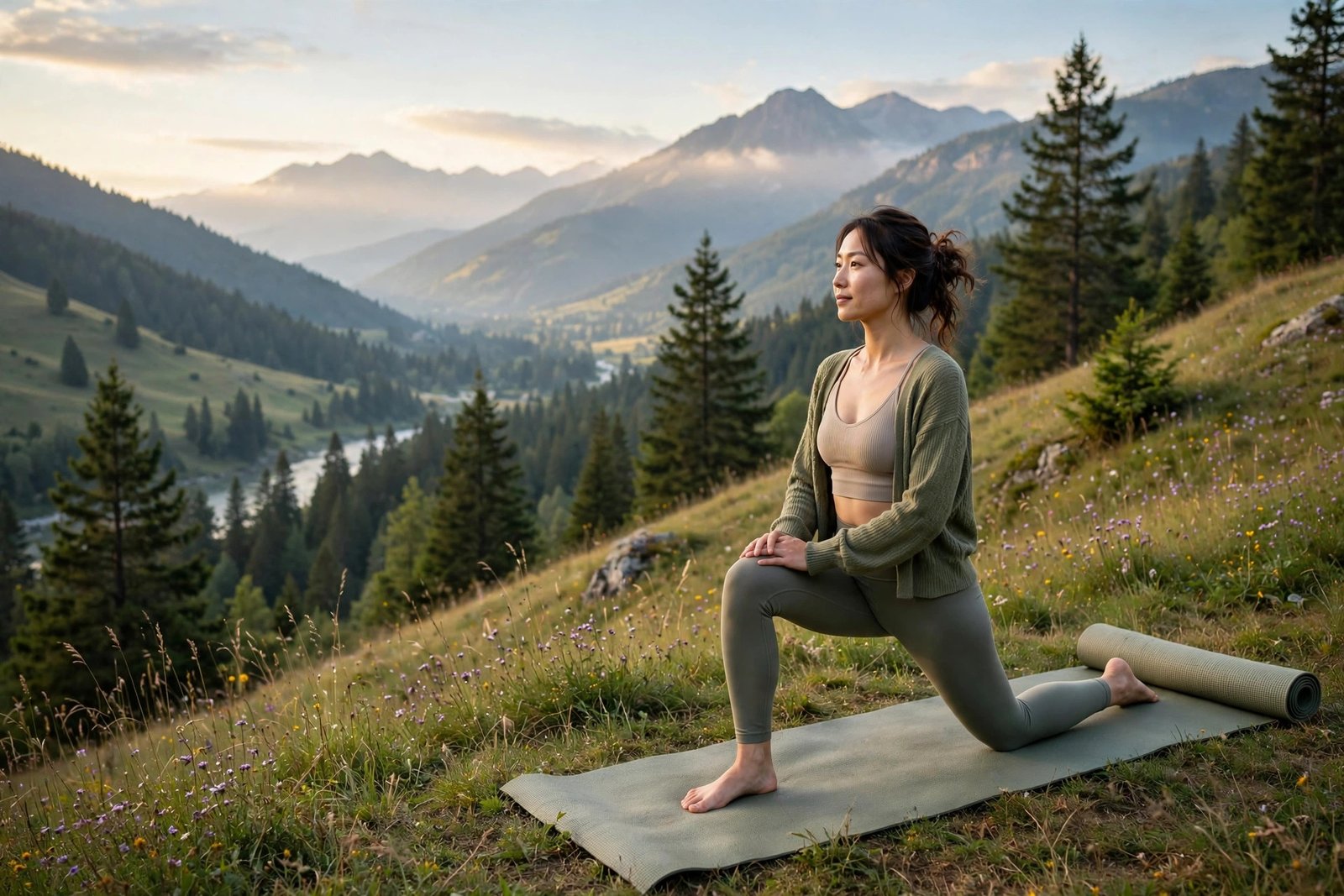
“Yoga” covers a wide range of practices that can feel almost unrelated to each other, and picking a style at random is a common reason people try one class and never go back.
If You Want Strength
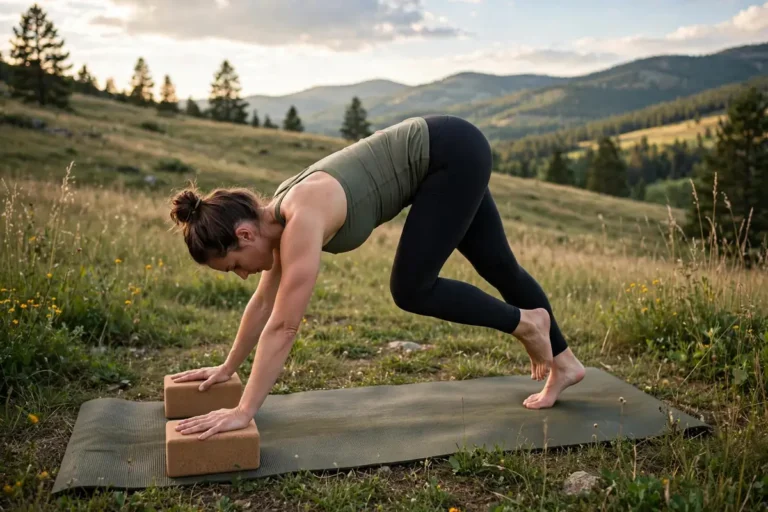
Vinyasa and power yoga link poses together in a flowing sequence that keeps your heart rate up and builds muscular endurance, particularly through the shoulders, core, and legs. These styles move quickly and can feel closer to a workout than a stretch session, which suits people who want yoga to double as training rather than a separate, gentler activity.
If You Want Calm
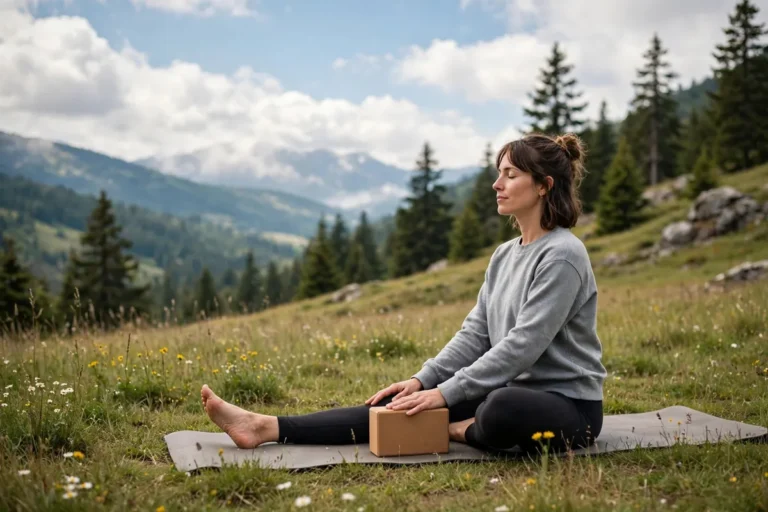
Restorative and yin yoga hold poses for several minutes at a time, often supported by props like bolsters and blankets, with very little movement between them. These styles target the nervous system as much as the muscles, and tend to work well for winding down in the evening or on a day when your body needs stillness more than effort.
If You Want Flexibility
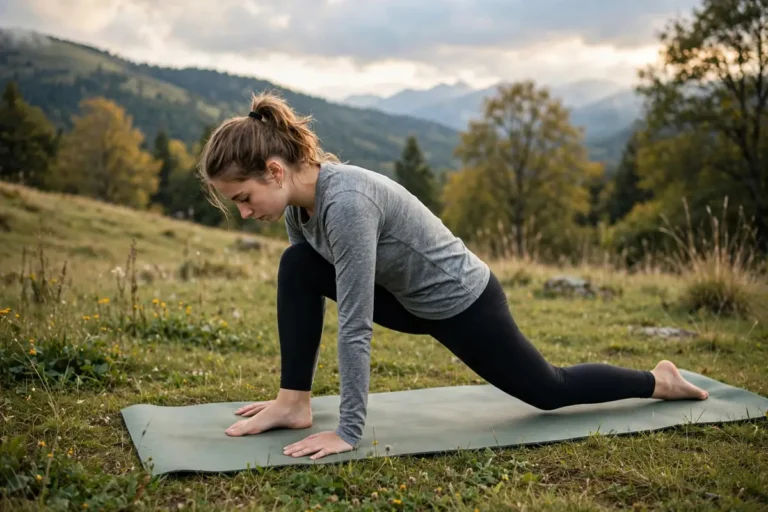
Hatha yoga generally moves at a slower pace than Vinyasa but still works through a full range of poses, making it a common starting point for people focused on building mobility without the intensity of a flow class. It’s also a reasonable style to start with if you’re new to yoga altogether, since poses are usually held long enough to check your form. Many studios label their Hatha classes as beginner-friendly for exactly this reason, so it’s often the easiest entry point on a class schedule.
Matching the Style to the Day
Plenty of people end up using more than one style depending on what a given week calls for — a flowing class on a day that needs energy, a slower one on a day that needs recovery. That mirrors how people decide between other types of training: the right choice depends on the goal that day, not a single best answer. If you’re setting a broader fitness goal, it helps to avoid the common mistakes people make when setting fitness goals, since the same trial and error applies to choosing a yoga style as it does to choosing a training plan.
The NHS guide to yoga outlines several styles if you want a broader overview before picking a class. If you have a joint issue a physical therapist is treating, mention it when you book — some styles are easier to adapt around specific limitations than others.
There’s no single correct style of yoga. The one worth continuing is the one you actually want to come back to next week.
A Quick Goal-to-Style Map
Sometimes it helps to see the options side by side before reading a single class description. The table below matches common goals with the styles that tend to serve them best, along with a rough sense of intensity. Think of it as a starting filter, not a final answer, since individual teachers and studios vary quite a bit.
| Your main goal | Styles worth trying first | Typical intensity |
|---|---|---|
| Build strength and stamina | Vinyasa, power yoga, Ashtanga | Moderate to high |
| Calm down and sleep better | Yin, restorative, yoga nidra | Very low |
| Improve flexibility safely | Hatha, Iyengar, yin | Low to moderate |
| Learn the basics properly | Hatha, Iyengar | Low |
| Recover between hard workouts | Restorative, gentle hatha | Very low |
| Add a spiritual or mindful element | Kundalini, slower vinyasa with meditation | Varies |
If two or three rows sound like you, that is completely normal. Most long-term practitioners mix styles across the week rather than marrying one.
Three Things Class Labels Will Not Tell You
Studio schedules can be misleading, and a little translation goes a long way.
First, style names are not standardized. One studio’s “gentle vinyasa” might be another studio’s moderate workout. A “beginner” label usually means the teacher will explain more and assume less, but it does not guarantee a slow or easy class. Reading the full class description and checking the length matters more than the title.
Second, heat changes everything. Hot yoga and heated vinyasa take familiar styles and add a room heated to around 35 to 40 degrees Celsius. The warmth can make muscles feel looser, but it also raises the cardiovascular demand and the need for water and electrolytes. Heated classes are worth trying only once you are comfortable with the same style unheated, and they are a poor choice for anyone who feels faint or nauseous in heat.
Third, the teacher matters at least as much as the style. Two Hatha classes can feel like different activities depending on who is leading. If a class leaves you confused or uncomfortable, try the same style with a different instructor before writing the style off entirely. And if walking into a room full of strangers feels intimidating, it helps to know the common mistakes beginners make in their first yoga class so you can sidestep the awkward parts on day one.
Trying a Class Before You Commit
You do not need to pledge loyalty to a style after one session. A practical approach is to sample two or three beginner-friendly classes over a couple of weeks and pay attention to a few specific things.
- How you feel the next day. Mild muscle awareness is normal; joint pain or sharp soreness is information worth acting on.
- Whether you understood what was happening. A good beginner class explains enough that you are not guessing the whole hour.
- Whether the pace matched the label. If a “gentle” class left you gasping, the label was wrong, not you.
- Whether you want to go back. Enjoyment is data. The best style is partly the one you will actually repeat.
Most studios offer a drop-in rate or an introductory week. Use it as research, not a test you can fail. If you have an injury, a joint condition, or you are pregnant, mention it to the instructor before class starts so they can suggest alternatives for specific poses.
Signs It Is Time to Try a Different Style
Your body and goals change, and your practice can change with them. A few signals that a switch might be overdue: you dread going but keep going out of habit; every class leaves you wiped out rather than refreshed; you have plateaued and want a new challenge; or a life change, like a busier schedule or a new injury, has made the old format impractical. None of these mean you failed at the first style. They mean the tool no longer fits the job.
Many people also find their needs shift with the seasons of a training week. Someone lifting heavy four days a week might use a slow restorative session purely as yoga on recovery days, then return to power yoga when training eases off. Treating styles as a wardrobe rather than an identity keeps the practice flexible, which is rather the point.
Frequently Asked Questions
What is the best yoga style for a complete beginner?
Hatha and Iyengar are the most commonly recommended starting points because they move slowly, explain alignment, and give you time to understand each pose. A gentle or slow-flow vinyasa class can also work if the description says it is suitable for beginners.
Can I do yoga if I am not flexible at all?
Yes. Flexibility is something yoga develops, not something it requires. Styles like Hatha, Iyengar, and restorative yoga are designed around props and modifications, so a stiff body is expected, not a problem.
How many times a week should I practice to see results?
Two to three sessions a week is a realistic starting point for most goals. Research on yoga for health outcomes generally involves regular practice over several weeks, and the National Center for Complementary and Integrative Health summarizes what the evidence supports for different conditions if you want to dig deeper.
Is hot yoga better for weight loss than regular yoga?
Hot yoga burns more calories per session mainly because of the heat and intensity, but the difference is modest, and sweat loss is mostly water. For sustainable weight management, an active style you enjoy plus sensible eating habits matters far more than the room temperature.
Should I stick to one style or mix several?
Mixing is fine and often better. A common pattern is an active style on energetic days and a gentle style on tired or sore days. The only real rule is to give any new style three or four sessions before judging it, since the first class is mostly orientation.
Conclusion
Choosing a yoga style is less about finding the single correct answer and more about matching the practice to the goal in front of you. Start with the goal, use the map above as a filter, sample a few classes with an open mind, and let the teacher and the room tell you the rest. The practice that works is the one that fits your body, your schedule, and your reasons for showing up. You can find more beginner-friendly fitness guides on the All Day Health & Fitness homepage whenever you are ready for the next step.