What Causes Muscle Cramps During Exercise
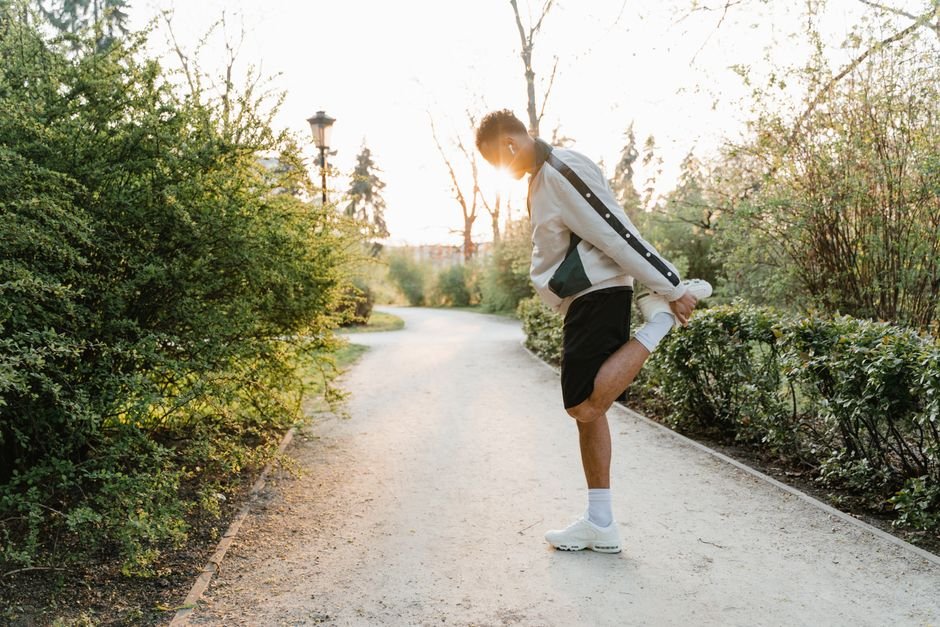
Exercise muscle cramps rarely come down to one cause. Researchers still debate what causes exercise muscle cramps, and the best-supported explanations point to tired muscles and nerve signalling going haywire, with heat, fluid loss and plain unfamiliarity with the effort all playing a part.
That is less satisfying than “you need more salt,” but it is more useful, because it explains why a banana before the session doesn’t stop cramps for everyone.
What causes exercise muscle cramps: the main explanations
Muscle fatigue. The most widely supported idea is that when a muscle gets very tired, the nerve signals that tell it to contract and the signals that tell it to relax fall out of balance. The muscle keeps firing when it should be letting go. This fits a common pattern: cramps tend to show up late in a hard session, in the muscles doing the most work, and more often when the effort is harder or longer than you are used to.
Fluid and electrolyte loss. Heavy sweating, especially in heat, changes the fluid and mineral balance your muscles and nerves depend on. The evidence here is more mixed than sports-drink marketing suggests. Some people who cramp are well hydrated, and some who are dehydrated never cramp. It seems to be a contributor for some people rather than the whole story. If you want the background, our piece on what electrolytes do during exercise covers it without the hype.
Heat. Hot, humid conditions raise both sweat loss and how hard the session feels, so they stack the first two factors together.
Doing something new. A new sport, a longer route, a steeper hill or a return after time off all ask muscles for work they are not conditioned for yet. Cramps during the first few weeks of a new activity are common and often fade as your body adapts.
Skipping the warm-up. Going straight into hard effort with cold muscles is a frequent companion to early-session cramps, though it is rarely the only factor.
A cramp is a different thing from the sharp pain under the ribs that runners get, which has its own set of theories; see what causes a side stitch during exercise if that is the one bothering you.
What to do when one hits, and when to get it checked
When a cramp starts, slow down or stop, then gently stretch the muscle in the opposite direction to the cramp. For a calf, that usually means straightening the leg and drawing your toes toward you. Light massage helps some people. Once it eases, walk around before deciding whether to carry on at a lower effort. There’s no prize for finishing the session on a muscle that just seized.
For the next session, the lowest-risk change is also the plainest: build the intensity or duration up gradually instead of jumping ahead, warm up properly, and drink regularly in hot weather rather than all at once at the end.
Occasional exercise cramps are common and usually harmless. Speak to a doctor if cramps are frequent, happen at rest or disturb your sleep often, come with swelling, redness, numbness or muscle weakness, or started after you began a new medicine. Some medicines list cramps as a possible side effect, so ask your doctor or pharmacist rather than stopping anything on your own. The NHS guide to leg cramps sets out when a cramp needs a closer look.
Next time, change one thing — a longer warm-up, a slower build or a cooler time of day — and see whether the cramps change too.