Is Testosterone Replacement Therapy Right for You?
Low testosterone can affect a man in several ways. It can cause mood swings, decreased sex drive, and constant fatigue. If you suffer from low-T, you may be wondering whether testosterone replacement therapy, or TRT, is the right move.
There are several things to consider before you start treatment. You may not necessarily need therapy just because your testosterone level is low. Testosterone replacement therapy can also come with side effects, so it is not a decision to make lightly.
You only need treatment if you actually have symptoms of low-T. A man’s testosterone level naturally drops as he gets older. There are millions of men who technically have low testosterone but show no symptoms at all, so they do not need treatment.
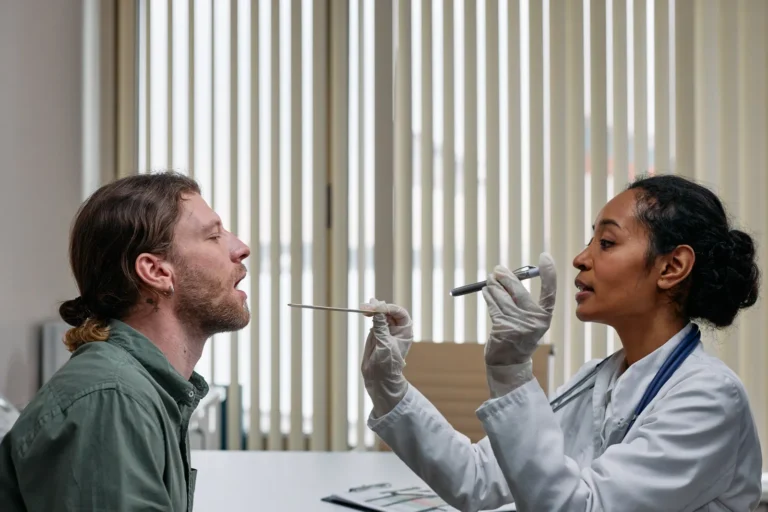
If you think you have low-T, talk to a doctor. Your physician will order a blood test to measure your total and free testosterone levels. From there, they can tell you whether TRT makes sense for your situation.
What Is Low Testosterone?
Low testosterone, sometimes called hypogonadism, happens when the testes do not produce enough of the hormone. Testosterone plays a role in muscle mass, bone density, sex drive, red blood cell production, and mood. When levels drop below a healthy range, it can affect nearly every part of a man’s daily life.
Doctors typically define low-T as a total testosterone level under 300 ng/dL, though the exact cutoff can vary by lab and by individual symptoms.
Signs of Low-T
Many men can spot the signs of low-T right away. Other times, the symptoms are subtle and easy to brush off as normal aging or stress. Here is what to watch for.
- Low libido, or sex drive
- Erectile dysfunction
- Decreased energy and constant fatigue
- Facial and body hair loss
- A low overall sense of well-being
- Irritability and anger
- Depression or low mood
- Trouble concentrating
- Unexplained weight gain
- Loss of muscle mass
Some men also ask what a person with low testosterone actually looks like. There is no single “look,” but common physical signs include a softer build with less muscle definition, increased body fat around the midsection, thinning facial or body hair, and in some cases, mild breast tissue growth. These changes happen gradually, which is why so many men do not notice them until symptoms pile up.
Low-T can also affect mental health. Research links low testosterone to higher rates of anxiety and irritability, and some men report feeling angrier or more short-tempered than usual. If mood changes show up alongside physical symptoms, it is worth mentioning both to your doctor, since correcting hormone levels can sometimes improve both at once.
How to Check Your Testosterone Levels
The only reliable way to check your testosterone is through a blood test ordered by a doctor. Testosterone levels naturally peak in the morning, so most labs recommend testing between 7 a.m. and 10 a.m. for the most accurate reading.
Your doctor will usually check two numbers:
- Total testosterone, which measures all the testosterone in your blood
- Free testosterone, which measures the testosterone that is actually available for your body to use
Because testosterone can fluctuate day to day, many doctors ask for two separate morning tests before confirming a diagnosis of low-T. This helps rule out a one-off dip caused by poor sleep, stress, or illness.
What Causes Low Testosterone
Normal aging is one of the biggest drivers of low testosterone. Levels typically start declining once a man passes 30, dropping by roughly 1 percent per year after that.
Obesity is another major factor. Excess body fat disrupts hormone production and can lower testosterone even in younger men. Certain medications, chronic illnesses, testicular injury, and conditions like diabetes or sleep apnea can also contribute to low-T.
Lifestyle Factors That Affect Testosterone
A lot of health myths circulate around testosterone, so it helps to separate fact from fiction.
Do cold showers increase testosterone? Cold exposure may support recovery and circulation, but there is no strong evidence that cold showers meaningfully raise testosterone levels on their own.
Does marijuana lower testosterone in men? Some studies suggest heavy, long-term cannabis use may be linked to lower testosterone, but the research is mixed and not conclusive. Occasional use has not been shown to cause a significant drop.
What foods lower testosterone? Diets high in processed sugar, alcohol, and trans fats have been associated with lower testosterone over time. On the flip side, foods rich in zinc, vitamin D, and healthy fats, such as eggs, fatty fish, and leafy greens, support healthy hormone production.
Does semen retention increase testosterone? This is a popular claim online, but the science does not back it up. Studies show only a brief spike in testosterone after a period of abstinence, not a lasting increase.
None of these lifestyle factors replace medical treatment if you are diagnosed with clinically low testosterone, but they can support your levels alongside a healthy routine.
Types of Testosterone Replacement Therapy
There are several forms of TRT, and your doctor will help you choose the one that fits your lifestyle and health history.
Skin Patch
Androderm is a common skin patch option. You wear it once a day, applying it to your upper body or arm, and it releases testosterone through the skin over 24 hours.
Gels
Testim and AndroGel are topical gels applied once daily and absorbed through the skin. Axiron and Fortesta come in pump form, with your physician prescribing the exact dose. Natesto is a bit different, since it is applied inside the nose rather than on the skin.
Mouth Patch
Striant is a buccal patch placed between your incisors, the teeth next to your two front teeth. It is used twice a day and continuously releases testosterone into the bloodstream.
Injections: Cypionate vs. Enanthate
Testosterone injections are one of the most common forms of TRT. The two main types are testosterone cypionate and testosterone enanthate. Both are synthetic forms of testosterone with a similar half-life and similar effects. The main difference comes down to the oil base used and slight variations in release time, and most doctors choose based on availability and patient preference rather than one being clearly superior to the other.
Pellets
Testosterone pellets are small implants placed under the skin, usually in the hip area, during a quick in-office procedure. They slowly release testosterone over three to six months, which appeals to men who do not want to remember a daily dose.
How Long Does It Take for TRT to Work?
Most men notice improvements in mood and energy within a few weeks of starting treatment. Libido and sexual function often improve within three to four weeks. Changes in muscle mass, body fat, and bone density take longer, usually three to six months of consistent treatment.
For injections specifically, testosterone levels typically peak within 24 to 48 hours after the shot, then gradually decline until the next dose. This is why some men notice a “roller coaster” feeling with certain injection schedules, and why doctors sometimes adjust dosing frequency to keep levels more stable.
Benefits of Testosterone Therapy
Before starting TRT, it helps to weigh the potential benefits against the risks. Reported benefits include:
- Increased bone density
- Improved insulin sensitivity
- Increased muscle mass
- Better mood and reduced irritability
- Improved libido and sexual function
Results vary from man to man. Dr. Karen Herbst, an endocrinologist at the University of California, San Diego, has noted that most men who undergo TRT report being satisfied with the results, particularly when it comes to energy, mood, and sex drive.
Testosterone therapy for low libido is one of the most common reasons men seek treatment in the first place, and it is often one of the first symptoms to improve.
Risks and Side Effects of TRT
TRT is not risk-free. It may increase the risk of stroke or heart attack in some men, and it can raise red blood cell counts, which requires regular monitoring through bloodwork.
TRT can also worsen the following conditions:
- Prostate cancer
- Sleep apnea
- Blood clots
- Benign prostatic hypertrophy (BPH)
- Congestive heart failure
One important and often overlooked risk is fertility. Taking external testosterone can signal the body to reduce or stop its own natural testosterone and sperm production. This means TRT can lower sperm count and, in some cases, cause temporary infertility. Men who want to have children in the future should discuss fertility preservation options with their doctor before starting treatment.
Some men also report increased irritability or anger when testosterone levels swing too high, particularly with injections that cause sharp peaks. This is usually manageable by adjusting the dose or delivery method with your doctor.
Is TRT Right for You?
TRT is not a one-size-fits-all treatment, and it is not meant for every man with a lower-than-average testosterone reading. It is best suited for men who have both a confirmed low blood test result and clear symptoms affecting their quality of life.
If you are on the fence, start with a conversation with your doctor or a testosterone therapy service that specializes in matching patients with the right physician and treatment plan. They can run the right tests, walk you through your options, and help you decide if the benefits outweigh the risks for your specific health picture.
Frequently Asked Questions
How long does it take for testosterone therapy to start working?
Most men notice better mood and energy within a few weeks. Libido improvements often show up within three to four weeks, while gains in muscle mass and body composition can take three to six months.
Does testosterone replacement therapy cause infertility?
It can. TRT often lowers natural sperm production because the body senses enough testosterone is already present. This effect is usually reversible after stopping treatment, but men planning to have children should talk to their doctor first.
Can low testosterone cause anxiety or anger?
Yes. Low-T is linked to irritability, anxiety, and low mood in many men. Correcting hormone levels through treatment often improves these symptoms alongside the physical ones.
What is the difference between testosterone cypionate and enanthate?
Both are injectable forms of testosterone with similar effects and timelines. The difference is mainly the oil carrier used in each formulation, and most doctors consider them interchangeable based on availability.
When does testosterone peak after an injection?
Levels typically peak within 24 to 48 hours after an injection, then slowly taper off until the next scheduled dose.
As always, talk with your physician or a testosterone therapy service that specializes in finding the right treatment plan for your body and your goals.