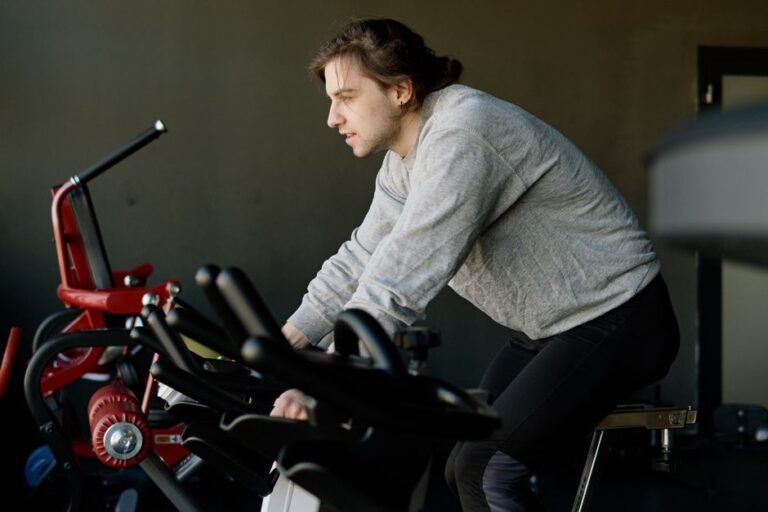
Can Too Much Exercise Cause Hair Loss? The Real Connection Explained
Exercise has a reputation for fixing almost everything: energy, mood, sleep, heart health. So it can feel unsettling when you train harder and suddenly notice more hair on your pillow or in the shower drain. Is your workout routine really behind it, or is something else driving the shedding?
The short answer is that moderate exercise does not cause hair loss. Most dermatologists agree that regular movement supports healthier hair by improving blood flow to the scalp. Trouble starts only when exercise becomes excessive and turns into chronic physical stress rather than strength. This guide covers how that happens, what current research says about exercise, DHT, and hair shedding, and how to protect your hair while staying active.
Why Your Hair Reacts to How You Treat Your Body
Hair is one of the first places the body shows signs of internal strain. Unlike skin or nails, hair follicles are sensitive to hormone shifts, nutrient shortages, and disrupted sleep, which is part of why hair loss often shows up weeks or months after a stressful period, not right away.
Healthy hair depends on the same things your whole body needs: steady circulation, balanced hormones, enough protein and iron, and manageable stress. When any of these fall out of balance, whether from illness, poor diet, or overtraining, hair follicles can shift into a resting phase and begin to shed. This is the exact pattern researchers look at when studying exercise and hair loss together.
Can Exercise Cause Hair Loss? What the Research Actually Shows
Most dermatologists and hair loss researchers agree that moderate exercise does not cause hair loss and does not make existing hair loss worse. Walking, running, cycling, swimming, and regular strength training are not linked to thinning hair in otherwise healthy adults. If anything, movement improves circulation, which helps deliver oxygen and nutrients to hair follicles.
The picture changes only at the extreme end. Dermatologists describe a stress-shedding pattern that appears once training shifts from beneficial to excessive: several hours of intense exercise almost daily, combined with poor recovery, inadequate sleep, or too few calories. At that point, exercise stops acting like healthy stress and starts acting like a physical trauma the body needs to survive, and hair growth becomes one of the first processes it deprioritizes.
So the honest answer to whether exercise causes hair loss is: rarely, and usually only when training is extreme, poorly fueled, or layered on top of other stressors. For most people training a few hours a week, exercise supports hair health rather than harming it.
How Too Much Exercise Triggers Hair Shedding (Telogen Effluvium)
The main mechanism linking excessive exercise to hair loss is a condition called telogen effluvium. Normally, roughly 85 to 90 percent of scalp hair sits in an active growth phase at any time, while the rest rests briefly before shedding naturally. Severe physical stress, including overtraining, can push an unusually large share of follicles into that resting phase all at once.
Because hair grows slowly, shedding from this shift usually appears two to four months after the stressful period, not immediately after a hard workout. This delay is a big reason people rarely connect hair loss to their training. The reassuring part is that telogen effluvium is temporary. Once the underlying stressor eases, shedding typically slows within a few months, with fuller regrowth over six to twelve months.
Exercise, DHT, and Genetics: Separating Fact From Fear
Much of the worry behind exercise and DHT searches comes from the idea that lifting weights raises testosterone, which converts to dihydrotestosterone, or DHT, a hormone known to shrink hair follicles in genetically sensitive people. The concern is not baseless, but it is often overstated.
Intense training, particularly heavy resistance work, can cause short, temporary spikes in testosterone and cortisol. Long-term research, however, has not found that regular exercise consistently raises baseline hormone levels enough to accelerate pattern hair loss on its own. Genetics still does most of the work: if you carry the genes for androgenetic alopecia, your follicles are already sensitive to DHT regardless of how often you train. If you do not carry that sensitivity, ordinary exercise is unlikely to trigger pattern baldness. Exercise can contribute in people who are already predisposed, but it is rarely the root cause.
Overtraining Syndrome: Warning Signs Before Hair Loss Starts
Hair shedding is usually one of the later signs that training has gone too far. Recognizing overtraining early can help you adjust before it reaches your scalp. Common warning signs include:
- Constant fatigue that does not improve with a full night’s sleep
- Declining performance despite training harder
- Frequent injuries, illness, or unusually slow recovery
- Irritability, low mood, or a sudden loss of motivation to train
- Disrupted sleep or a resting heart rate that runs higher than normal
- Unexplained weight changes or a drop in appetite
If several of these sound familiar, your body may already be under more stress than it can recover from, and hair shedding could follow in the months ahead if the pattern continues. Scaling back intensity, adding rest days, and prioritizing sleep are usually enough to reverse the cycle before it affects your hair.
Sweat, Scalp Health, and Hair Loss: Should You Worry?
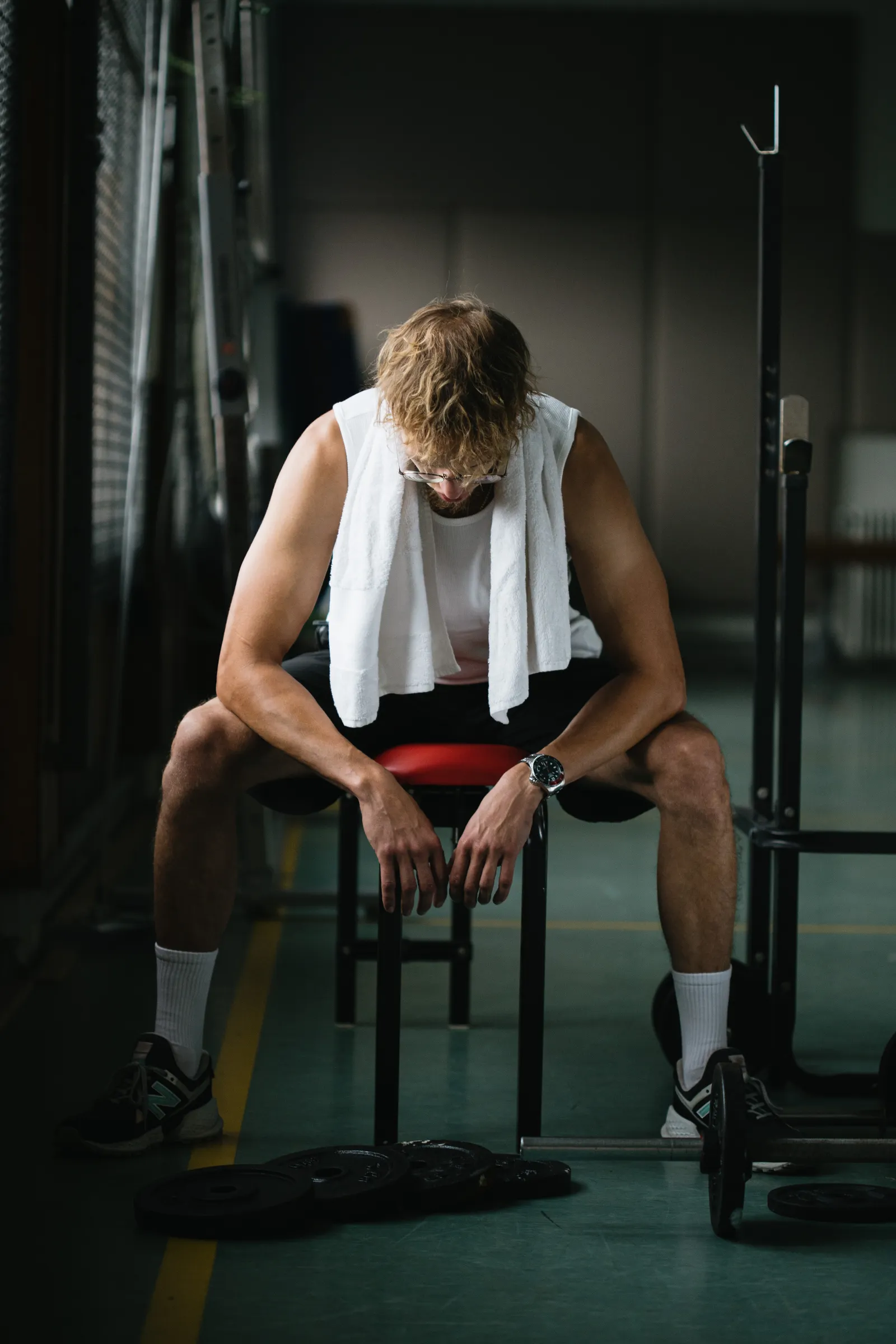
Sweating during a workout does not damage hair follicles on its own. Sweat is mostly water with small amounts of salt, and it will not cause hair loss by itself. The real risk comes from what happens after you sweat, not the sweat itself.
Leaving sweat, oil, and product buildup on the scalp for long stretches can clog follicles and encourage yeast and bacteria growth. Over time, that can trigger scalp irritation or conditions like seborrheic dermatitis, which cause flaking, itching, and inflammation, and inflamed scalps shed more easily. The fix is simple: rinse or shampoo your scalp after sweat-heavy sessions, especially if you train daily, and choose a gentle shampoo that will not strip natural oils.
Tight Hairstyles and Gym Gear: A Hidden Cause of Hair Loss
Not every workout-related hair loss traces back to hormones or stress. Traction alopecia, hair loss caused by constant pulling at the root, is a common and often overlooked culprit for people who exercise regularly.
Tight ponytails, slicked-back buns, braids, and headbands worn during every session put repeated tension on the hairline and temples, and helmets or tight caps add friction on top of that. Over months, this pulling can weaken follicles and cause visible thinning along the hairline, particularly for people who wear the same tight style day after day. Choosing looser styles or soft scrunchies, alternating where you part your hair, and giving your scalp an occasional style break can prevent this entirely.
Nutrition and Recovery: Fueling Your Hair While You Train
What you eat has more influence on hair health than most workouts do. Hair is made mostly of protein, so inadequate protein intake, common in people who combine intense training with calorie restriction, can push hair into a shedding phase. Key nutrients for hair during heavy training include:
- Protein, to supply the keratin your hair is built from
- Iron, to help deliver oxygen to active follicles
- Zinc, which supports scalp health and tissue repair
- Vitamin D and vitamin C, both linked to healthy hair cycling
- Omega-3 fatty acids, which support scalp hydration and reduce inflammation
This matters most for endurance athletes and anyone combining heavy cardio with strict dieting, since that combination is a common real-world trigger for exercise-related shedding. If that describes you, talk to a doctor or dietitian before assuming supplements alone will fix the problem, since a blood test can confirm whether a deficiency actually exists.

How Much Exercise Is Too Much for Your Hair?
General health guidelines recommend around 150 minutes of moderate exercise a week plus two days of strength training, and that range has not been linked to hair loss in healthy adults. Shedding tends to appear only at the far end of the spectrum: several hours of intense training almost daily, especially when combined with inadequate sleep, chronic calorie deficits, or high stress outside the gym.
Rather than fixating on a specific number of hours, pay attention to how your whole body responds. Frequent injuries, disrupted sleep, mood changes, or a performance plateau are earlier warning signs than hair loss, and catching them first can help you adjust before shedding starts. If you are unsure whether your training load is right for you, a sports medicine physician or registered dietitian can help you find a sustainable balance.
When to See a Doctor or Hair Loss Specialist
If shedding continues for more than a few months, or you notice thinning that does not match a recent stressful period, it is worth getting a professional opinion rather than guessing. A hair loss specialist typically uses a few standard tools to find the cause:
- Pull test: gently pulling a small section of hair to check how easily strands come loose
- Blood test: checking iron, thyroid, and hormone levels that could explain shedding
- Scalp biopsy: examining a small skin sample to look at the hair roots directly
- Light microscopy: examining trimmed hair strands under magnification for structural abnormalities
Getting an accurate diagnosis matters, since exercise-related shedding, nutritional deficiency, and genetic pattern hair loss are treated very differently.
Hair Loss Treatment Options That Actually Work
Once the underlying cause is clear, several treatment options can help, whether the shedding is temporary or linked to genetic pattern hair loss.
- Topical minoxidil: an over-the-counter option that prolongs the growth phase and improves scalp blood flow, FDA-approved for both men and women
- Finasteride: a prescription medication that reduces DHT, used for male pattern hair loss and not approved for women of childbearing age
- Low-level laser therapy (LLLT): FDA-cleared red light devices that stimulate follicle activity
- Platelet-rich plasma (PRP): a minimally invasive treatment that uses your own blood plasma to deliver growth factors to dormant follicles
- Microneedling: controlled micro-injuries that can improve results when paired with topical treatments
By 2026, combination therapy, pairing two or more of these approaches, has become the standard recommendation among dermatologists rather than relying on one treatment alone. A hair restoration specialist can help you choose the right combination for your cause of hair loss.
The Bottom Line: Exercise and Hair Loss
Moderate, consistent exercise is one of the better things you can do for your hair, not a threat to it. The risk only rises when training becomes excessive, poorly fueled, or paired with chronic stress and inadequate recovery. If you are seeing more shedding than usual, look at your whole routine first: training volume, sleep, diet, hairstyles, and scalp hygiene, before assuming your workouts are to blame.
If shedding persists, a hair loss specialist can run the right tests and build a plan that fits your situation. Staying active, eating enough, sleeping well, and treating your scalp gently will do more for your hair than skipping the gym ever will.
Frequently Asked Questions
Does exercise cause hair loss in most people?
No. Moderate exercise is not linked to hair loss in healthy adults. Shedding usually appears only with extreme, poorly recovered training combined with other stressors like inadequate sleep or calorie restriction.
Can exercise help hair loss or support regrowth?
Yes, indirectly. Regular movement improves circulation and lowers everyday stress, both of which support a healthy hair growth cycle. It is not a direct treatment, but it supports the conditions hair needs to grow.
Does cardio cause more hair loss than weightlifting?
Neither one directly causes hair loss at moderate levels. Cardio and strength training both carry some risk only when done in excess without proper recovery, hydration, and nutrition.
How long does exercise-related hair loss last?
Exercise-induced shedding is usually a form of telogen effluvium, which typically resolves within three to six months once training intensity and recovery return to healthy levels, with fuller regrowth over six to twelve months.
Should I stop working out if I am losing hair?
Not usually. Most people do not need to stop exercising, just adjust training volume, improve recovery, and check nutrition and scalp habits. See a doctor if shedding continues for more than a few months.