How to Tell If Your Form Is Off Without a Trainer Watching
A mirror turned to the side, a phone propped at hip height, and a short checklist of joints can catch most of what a trainer would flag.


A mirror turned to the side, a phone propped at hip height, and a short checklist of joints can catch most of what a trainer would flag.
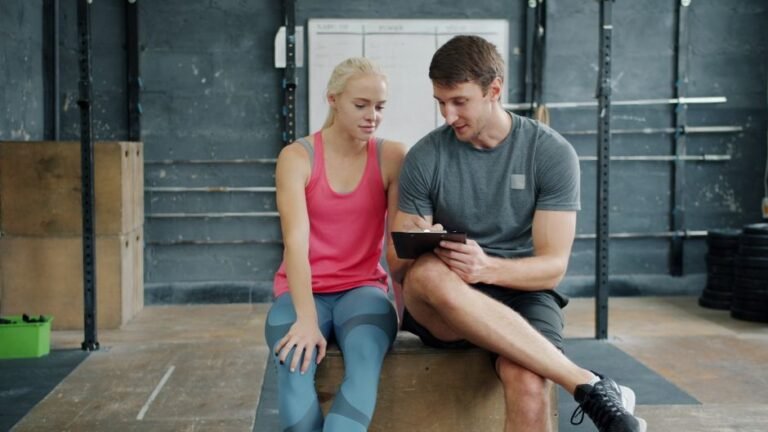
The beginner plans that stick are the modest ones: fewer days, repeated exercises, and a fixed slot on the calendar rather than an ambitious schedule.
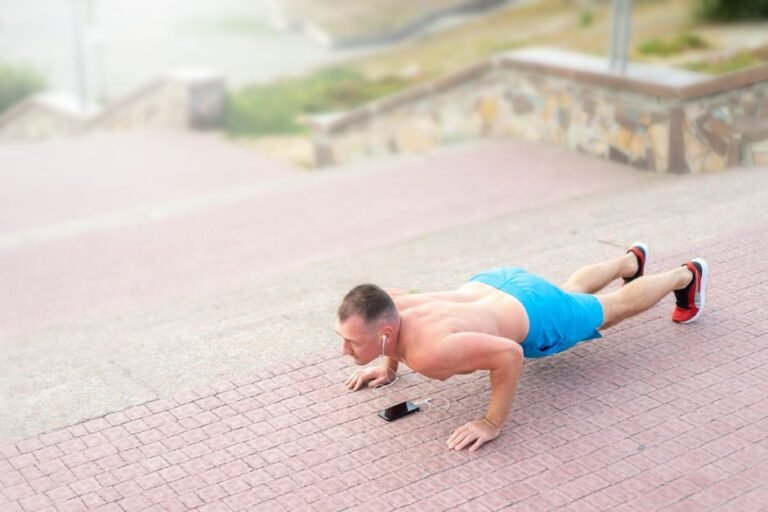
How fast you move through reps and rest shapes what a workout trains, and it has nothing to do with the tempo of your playlist.

A deload week is a planned stretch of easier training that lets your joints and nervous system catch up with the work you’ve been putting in.
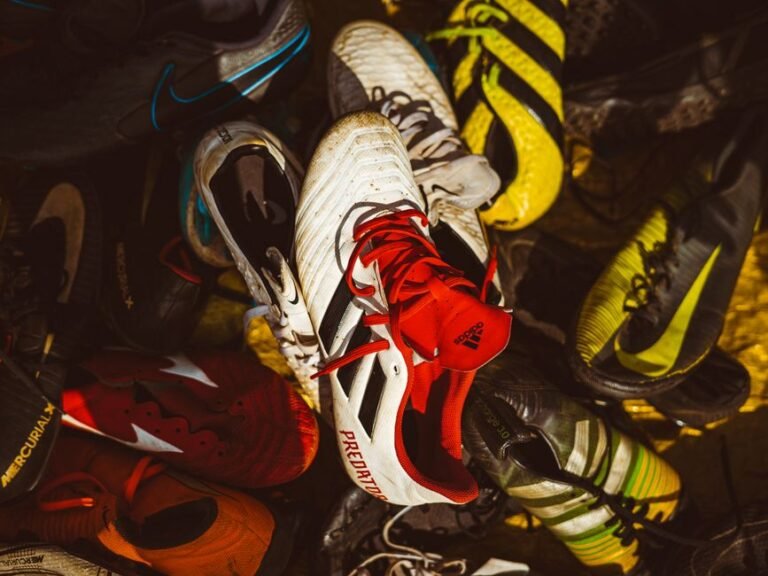
The right workout shoe depends on what you’re training, since a running shoe’s cushioning works against you when lifting and a flat lifting shoe works against you on a run.

Muscle soreness reflects how unfamiliar a movement was, not how effective the workout was, and chasing it can work against real progress.
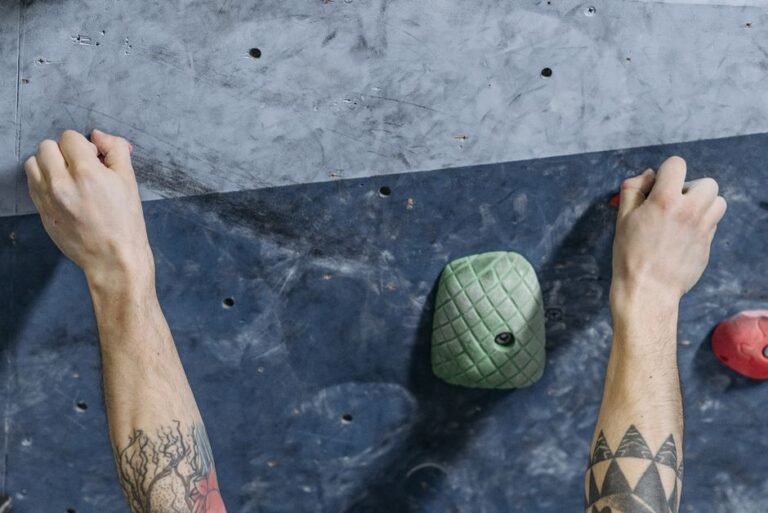
Grip strength is easy to overlook, but building it as a beginner works best with simple, low-load exercises added gradually to an existing routine.
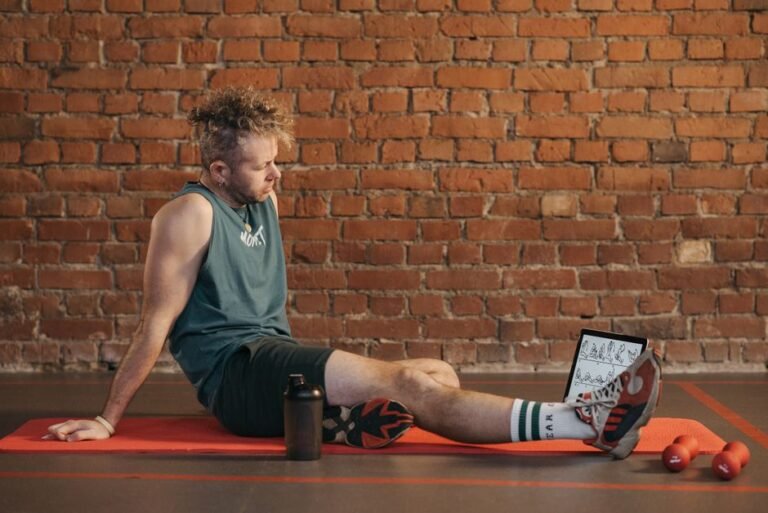
Returning to exercise after a break goes wrong most often when people train at their old intensity instead of rebuilding gradually.

A warm-up and static stretching do different jobs, and doing them in the wrong order can leave you feeling loose but not truly prepared.
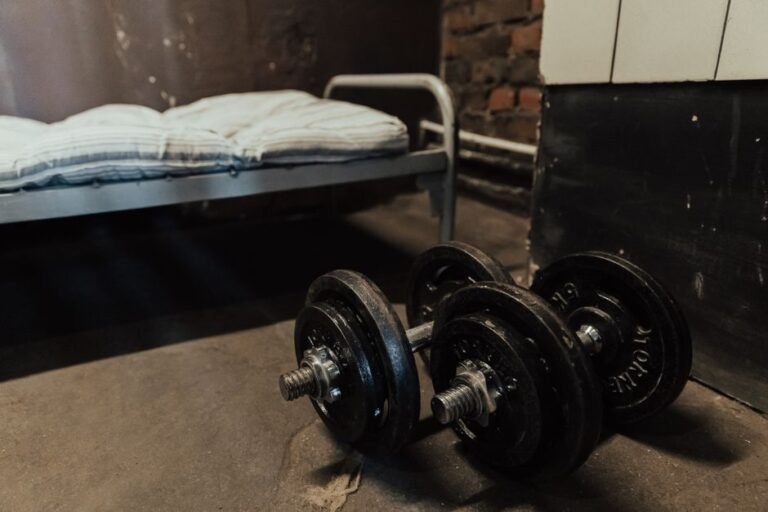
The right choice between a home gym and a commercial gym depends less on cost than on which one you’ll show up to consistently.
End of content
End of content