Common Mistakes People Make Timing Meals Around Workouts
Most meal timing mistakes around workouts come from eating too much right before or skipping food entirely — the middle ground works better than either extreme.


Most meal timing mistakes around workouts come from eating too much right before or skipping food entirely — the middle ground works better than either extreme.

Recovery nutrition isn’t a special formula — it’s ordinary food with protein and carbohydrate, eaten within a couple of hours of training.

Sports drink and snack labels are easier to trust once you know the first three ingredients matter more than anything printed on the front.

Sodium, potassium, and magnesium manage nerve signaling and fluid balance during exercise — and they matter more in longer, hotter, sweatier sessions.

A cooldown gives heart rate and blood pressure a gradual path back to resting instead of an abrupt stop.

Group classes and solo workouts solve different problems — the better fit depends on whether showing up or planning is the harder part.

Comparing your progress to someone else’s ignores the starting point, history, and recovery time that shaped their results.

The first minutes of a workout are the body redirecting blood flow and switching fuel systems, which is why an easy pace can feel harder early on.
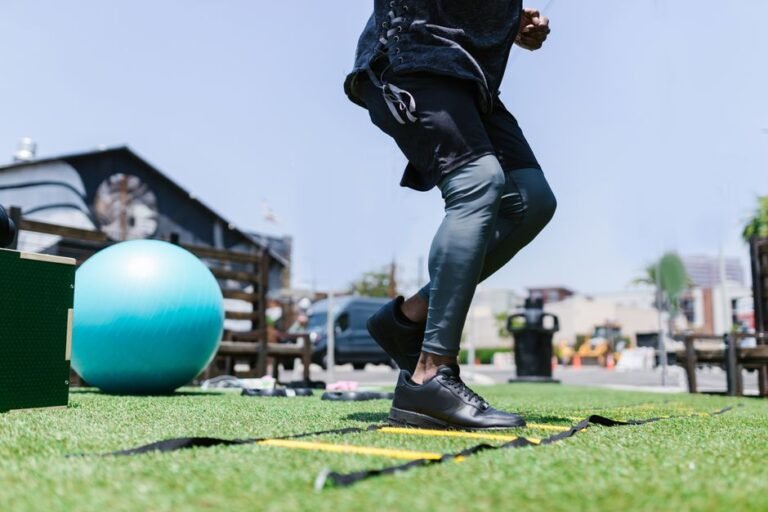
Functional fitness trains the squatting, carrying, and twisting patterns you rely on every day, not just isolated muscles.

The core’s real job is resisting movement, not folding forward, and a handful of stability exercises train that better than crunches do.
End of content
End of content