How to Tell If a Skincare Product Is Actually Working
Moisturizers and sunscreens work right away, but active ingredients need weeks to months of steady use before you can fairly judge them.

Discover expert beauty tips, skincare routines, and treatment guides to help you achieve healthy, glowing skin. From natural skincare for oily skin to understanding cosmetic treatments like lipo laser recovery, explore science-backed advice for your beauty routine.

Moisturizers and sunscreens work right away, but active ingredients need weeks to months of steady use before you can fairly judge them.
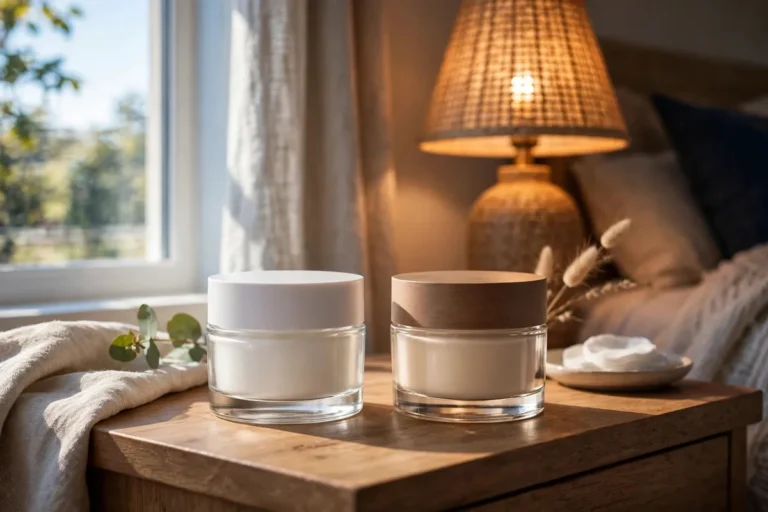
Day moisturizers are usually lighter and often include SPF; night creams are richer. Many people do fine with one moisturizer and a separate sunscreen.
Niacinamide is a gentle form of vitamin B3 that may support the skin barrier and even tone modestly; it helps, but it is not a fix on its own.
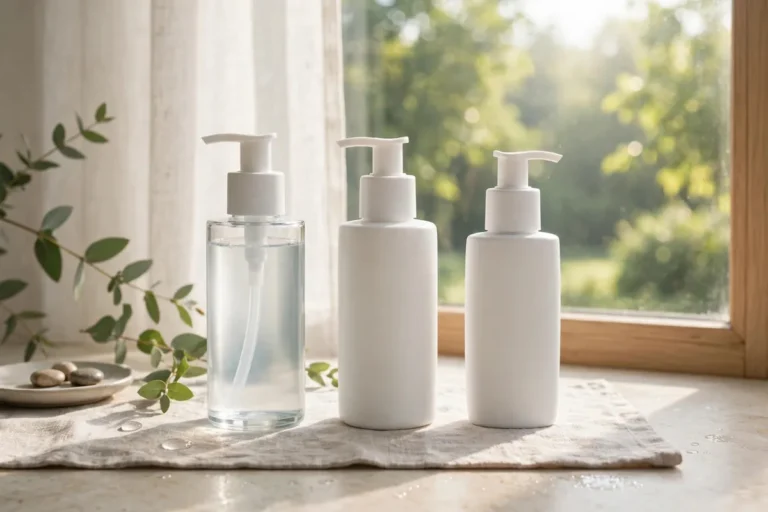
Wash, moisturize and apply sunscreen: three steps cover what a morning skincare routine needs to do, and extras are optional.

Foaming, cream and gel cleansers suit different skin types, and the right one leaves your face comfortable rather than tight or greasy.

Mineral and chemical sunscreens protect skin differently, and the right one usually comes down to skin type and habits, not marketing claims.

A quick patch test on your arm can save you a week of irritated skin from a product that doesn’t agree with your face.

Most skincare irritation comes from doing too much at once, not from picking the wrong products.
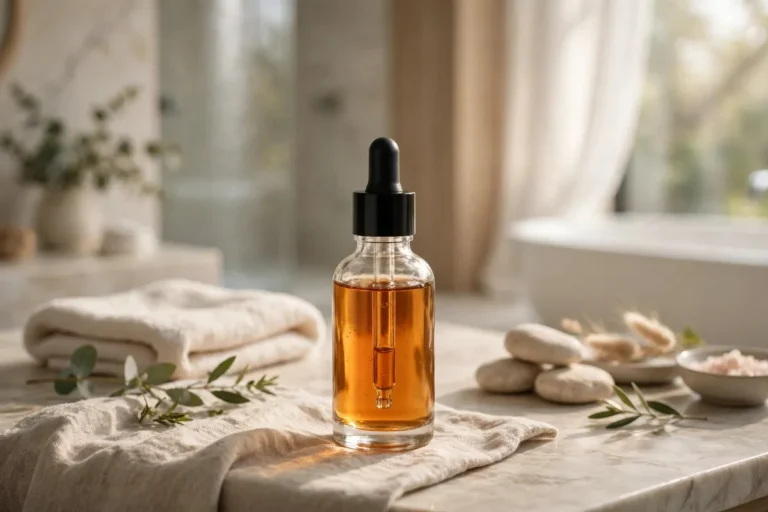
Retinol speeds up skin cell turnover, which is why it helps texture over months but needs a careful, gradual introduction.
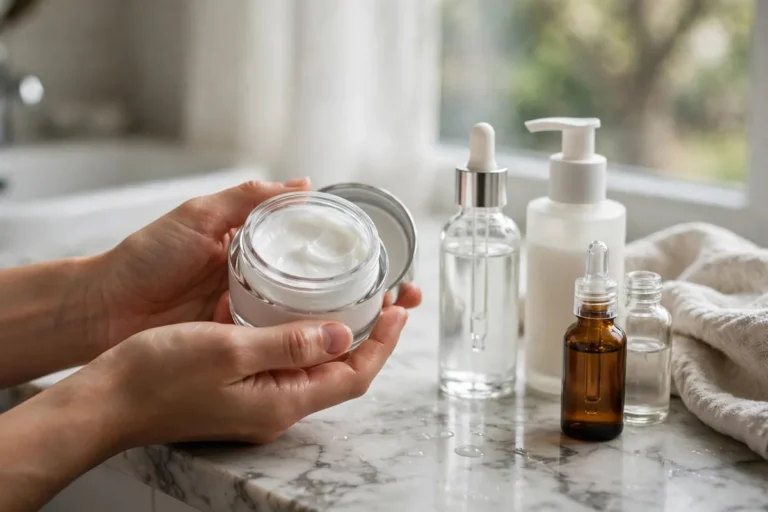
Matching a moisturizer’s weight and ingredients to your actual skin type matters more than brand or price.
End of content
End of content