Chemical vs Mineral Sunscreen: What’s Different

Chemical and mineral sunscreens both protect against UV rays, but they do it in different ways, and that difference affects how they feel, how fast they work, and who they tend to suit best.
How mineral sunscreen works
Mineral sunscreens, sometimes called physical sunscreens, use zinc oxide, titanium dioxide, or both as their active ingredients. These sit on top of the skin and reflect or scatter UV rays away rather than absorbing them. Because they work on contact, mineral sunscreen is protective as soon as it’s applied. It also tends to be the gentler option for sensitive or reactive skin, which is part of why it’s often recommended for young children.
How chemical sunscreen works
Chemical sunscreens use ingredients like avobenzone, octinoxate, or oxybenzone that absorb UV rays and convert them into heat, which the skin then releases. These formulas are usually thinner and blend in without a visible cast, which is why many people prefer them under makeup. The tradeoff is that chemical sunscreen needs about 15 to 20 minutes after application before it’s fully effective, so applying it right before you walk outside leaves a gap in protection.
Texture and appearance
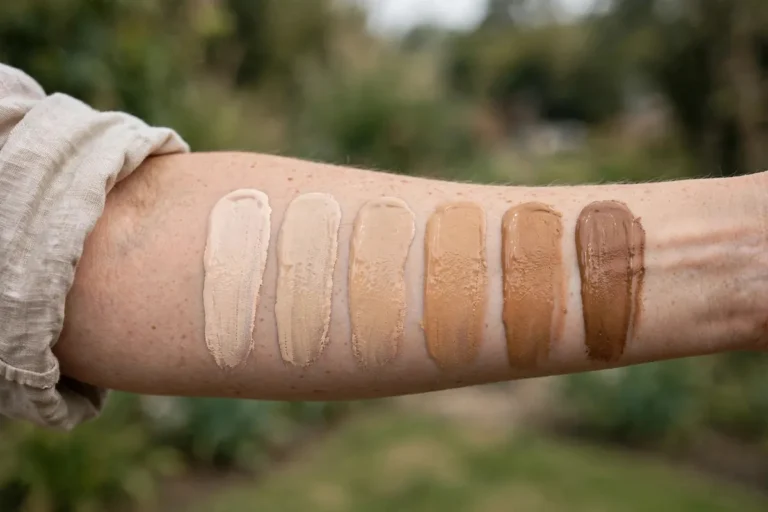
Mineral formulas have historically left a visible white or gray tint, though newer tinted and micronized versions have mostly solved this for most skin tones. Chemical sunscreens generally go on clear and feel lighter, which is why they’re common in daily moisturizers and under-makeup products. Neither texture is inherently better; it comes down to what you’ll reapply consistently, since the best sunscreen is the one you use every day.
Sensitivity and skin type
People with rosacea, eczema, or generally reactive skin often tolerate mineral sunscreen better, since it’s less likely to sting broken or irritated skin. If a chemical sunscreen has caused stinging or breakouts in the past, mineral is a reasonable next thing to try. Whichever type you choose, checking the label for broad-spectrum protection matters more than the chemical-versus-mineral distinction, since broad-spectrum is what covers both UVA and UVB rays. Our breakdown of what SPF numbers actually mean covers how to read the rest of the label. If you’re switching types to solve ongoing redness or breakouts and it isn’t improving after a few weeks, a dermatologist can help narrow down whether sunscreen is really the cause.
Picking between them
There’s no single correct answer here. Some people use mineral on their face and chemical on their body, or switch based on the season, or land on a hybrid formula and stop thinking about it entirely. What matters more than the category is applying enough of it and reapplying after sweating, swimming, or a couple of hours outdoors — a step people skip more often than the sunscreen type they chose. For more on habits that undercut good sun protection, see our piece on choosing a moisturizer for your skin type, since many daily moisturizers now double as your SPF step.
The American Academy of Dermatology has a full guide to decoding sunscreen labels if you want to go deeper before your next purchase.
How Each Type Handles UV Light
The core difference is what happens to UV rays after they reach your skin. Chemical filters, avobenzone, octinoxate, oxybenzone, octocrylene, homosalate, absorb into the upper skin layers, soak up UV radiation, and convert it into a tiny amount of heat that dissipates. Mineral filters, zinc oxide and titanium dioxide, work mainly at the surface, scattering and reflecting UV away, though research shows they absorb a share of UV as well. The old mirror-versus-sponge picture is oversimplified, but the practical distinction holds.
Filter type does not change what SPF means. An SPF 30 mineral and an SPF 30 chemical sunscreen passed the same UVB test, so the numbers are directly comparable. If the numbers still feel mysterious, our guide to what SPF numbers actually mean breaks down the percentages and the myths.
The Ingredient Lists, Side by Side
The drug-facts panel tells you which camp a sunscreen belongs to. Mineral lists zinc oxide, titanium dioxide, or both; zinc oxide is the broader defender, covering the full UVB range and most of UVA. Chemical lists organic filters such as avobenzone for UVA plus octinoxate, octisalate, homosalate, or octocrylene for UVB, usually in combination since no single chemical filter covers everything well.
Regulatory status differs. Zinc oxide and titanium dioxide are the only two sunscreen actives the FDA currently classes as generally recognized as safe and effective on available data. The agency has requested more safety data on chemical filters, which is not the same as finding them unsafe.
Timing: Why Chemical Needs a Head Start
Mineral sunscreen protects essentially as soon as it is applied, because the layer exists the moment it sits on skin. Chemical sunscreen needs roughly fifteen to thirty minutes to reach full effectiveness while the filters settle into the upper layers. Dermatologists advise fifteen minutes for both types, since an even, settled film protects better regardless of chemistry, but if you apply sunscreen in the parking lot, mineral forgives the habit more.
Skin Feel and the White Cast Question
The honest knock on mineral sunscreen was long cosmetic: zinc oxide and titanium dioxide are white powders, and older formulas went on thick and chalky, leaving a cast especially visible on medium and deep skin tones. That alone pushed many people toward chemical formulas or toward skipping sunscreen.
Formulation science has narrowed the gap. Micronized particles, tinted formulas, and sheer fluids have made modern mineral sunscreens far more wearable. Chemical formulas still tend to win on elegance: thinner, easier to rub in, friendlier under makeup. The best sunscreen is the one you will apply generously and reapply; if a mineral formula’s texture means you use half as much, its advantages evaporate.
Sensitive Skin, Kids, and Who Leans Which Way
Dermatologists most often steer mineral sunscreen toward sensitive, rosacea-prone, and post-procedure skin, and toward children. Mineral filters sit on the surface rather than absorbing in, so they are less likely to sting or provoke reactions, and less prone to migrating into eyes during sweaty workouts. Chemical filters, particularly avobenzone and oxybenzone, carry a higher chance of irritation in reactive skin. Many people use chemical sunscreens for decades without issue. Anyone managing a skin condition should discuss the switch with a dermatologist. For more everyday skincare guidance, visit the All Day Health & Fitness homepage.
The Reef and Environment Conversation
The environmental debate centers on two chemical filters, oxybenzone and octinoxate, which lab studies link to coral stress, prompting restrictions in Hawaii and a few other jurisdictions. Mineral sunscreens are generally considered the reef-friendlier choice. Lab studies do not perfectly mirror the ocean and the evidence is still developing, but mineral remains the reasonable default for reef-conscious buyers. The larger win is simply wearing sunscreen consistently.
Application Matters More Than the Type
Research is blunt about what determines real protection: how much you apply and how often. The tested amount is about a shot glass full for the body and a nickel-sized dollop for the face, and most people use a quarter to half of that. Under-application is so common it has its own patterns; see our guide to mistakes people make applying sunscreen too thin. Reapply every two hours outdoors, sooner after swimming or sweating, and pair sunscreen with shade, hats, and sunglasses. The FDA’s consumer sun-safety page lays out the same playbook; see their tips for staying safe in the sun.
Frequently Asked Questions
Which sunscreen is better for acne-prone skin?
Either works if the formula is oil-free and non-comedogenic. Mineral is often favored since zinc oxide is calming, but a lightweight chemical gel can suit oily skin well. Formula matters more than category.
Can I layer chemical and mineral sunscreen?
Better to pick one and apply it properly. Layering can disturb the even film each needs, and SPFs do not add together.
Is mineral sunscreen really reef-safe?
It is considered the safer choice versus oxybenzone and octinoxate formulas. The science is still evolving, so read reef-safe as reef-friendlier rather than impact-free.
Which type suits dark skin tones?
Protection needs are identical, but cosmetic elegance often decides. Modern tinted or sheer mineral formulas and most chemical formulas avoid the white cast problem. Choose what you will wear daily.
Does mineral sunscreen expire faster?
No. Both types carry expiration dates, usually about three years from manufacture, and both weaken past that date or after extreme heat. Check the date and replace yearly if unsure.
Conclusion
Chemical and mineral sunscreens reach the same goal by different routes: one absorbs UV and releases it as heat, the other stands guard at the surface. Mineral wins on gentleness and immediacy, chemical on texture and ease, and both protect well as broad-spectrum SPF 30 or higher. The bottom line is unchanged: pick the formula you will use generously every day as the final step of your morning skin care routine, apply enough, reapply on schedule, and let shade and clothing do their share alongside it.