What Retinol Does, in Plain Terms
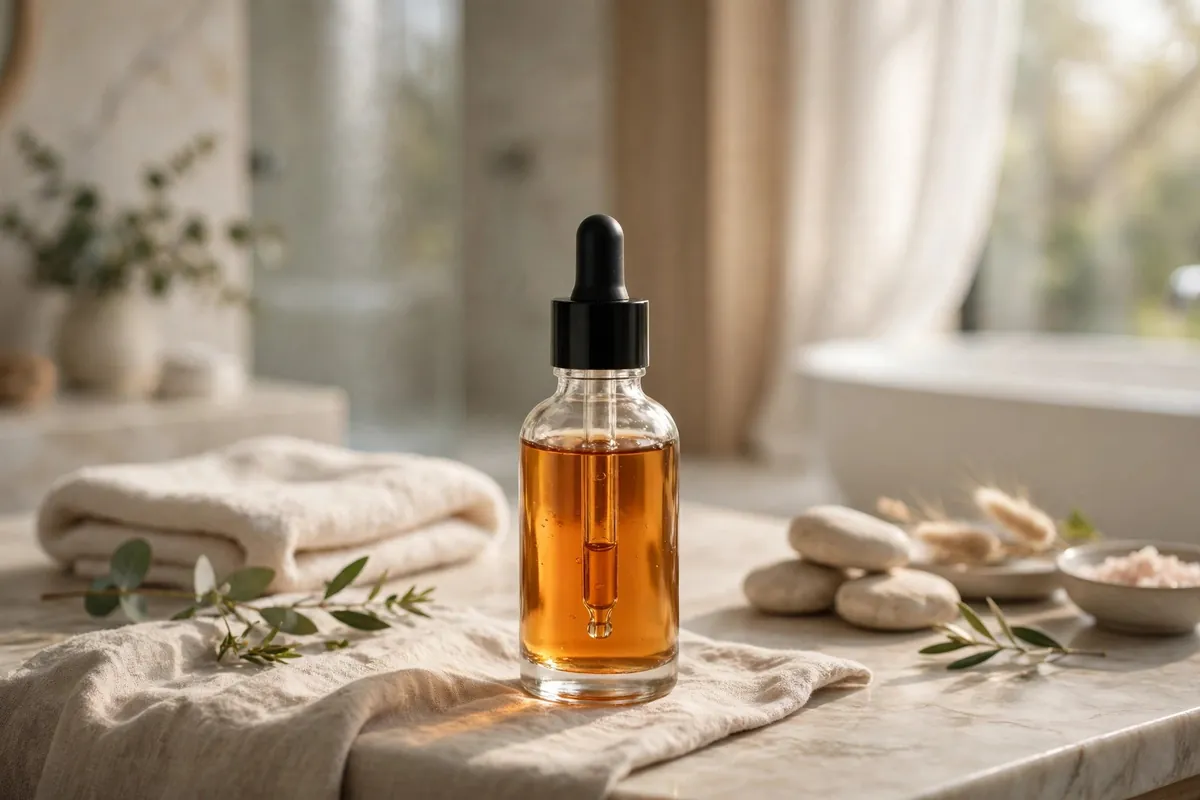
Retinol shows up in more skincare aisles than almost any other ingredient, usually promising smoother texture or fewer fine lines. What it does is more specific than the marketing suggests, and knowing the mechanism helps explain why it needs to be introduced carefully.
What retinol is
Retinol is a form of vitamin A. Once absorbed into skin, it gets converted into retinoic acid, the active form that signals skin cells to turn over more quickly and can help stimulate collagen production. That faster turnover is why it’s associated with smoother texture and softened fine lines over time — it’s genuinely one of the better-studied ingredients in skincare, not a trend without substance behind it.
Why it takes time
Retinol doesn’t work overnight, and expecting fast results is the most common reason people give up on it too early. Visible changes in texture typically take a matter of months of consistent use, not days. The skin-cell cycle it’s influencing runs on its own timeline, and using more product or applying it more often doesn’t speed that up — it just increases the odds of irritation.
Why it comes with warnings
Retinol increases how sensitive skin is to peeling, redness, and sun exposure while your skin adjusts. This is the main reason it’s typically recommended for nighttime use, paired with daytime sunscreen. Using it alongside other strong actives, or applying it to skin that’s already irritated from something else, raises the chance of a reaction. Exactly how much to use and how often depends heavily on the specific product and your own skin, which is a conversation for the label instructions and, ideally, a dermatologist — not something to work out through trial and error on your own face.
How people usually introduce it
A cautious starting pattern many dermatologists suggest is using it only a couple of nights a week at first, watching how skin responds over a couple of weeks, and increasing frequency gradually if there’s no excess dryness or peeling. Patch testing on a small area — like the inside of your forearm or a small patch of jaw — for a few days before applying it to your whole face is a reasonable way to catch a reaction early. Always follow the specific product’s label instructions rather than a routine borrowed from a friend’s skin, since tolerance varies a lot between people.
Who should check with a dermatologist first
Retinol isn’t recommended during pregnancy or while breastfeeding, and people with eczema, rosacea, or generally reactive skin often need a gentler entry point or a different ingredient altogether. If you’re unsure whether it’s a fit for your skin, a dermatologist can point you toward the right product and schedule for your specific situation rather than guessing from an internet routine.
For more on protecting skin that’s more sun-sensitive during retinol use, see our piece on what SPF numbers actually mean. The American Academy of Dermatology has further general guidance on introducing new actives safely.
Start weaker than you think you need
One of the most common retinol mistakes is starting with a concentration that’s too strong for untried skin. Lower-percentage formulas give your skin room to adapt, and you can always move up later if your skin tolerates the entry point well. Starting strong and dealing with weeks of peeling isn’t a faster path — it’s usually what makes people quit before retinol has a chance to work.
Keep the routine simple while you adjust
While your skin is adjusting to retinol, the rest of the routine should get quieter, not busier. Strong exfoliating acids, vitamin C serums, and other active ingredients compete with retinol for your skin’s tolerance budget. A gentle cleanser, the retinol itself, and a plain moisturizer are usually enough during the first month or two — you can reintroduce other products once your skin has settled.
The Retinoid Family, From Gentlest to Strongest
Retinol is one member of a family called retinoids, all derived from vitamin A, and the family runs on a ladder of strength. At the gentlest end sit retinyl esters like retinyl palmitate, which the skin must convert through several steps before they do anything, so their effects stay mild. Retinol is in the middle: it needs one conversion step inside the skin to become retinoic acid, the form skin cells actually respond to. One rung up is retinaldehyde, which converts faster. At the top are prescription retinoids like tretinoin and adapalene, already in active form with no conversion needed.
That ladder explains the shelf divide: over-the-counter retinol is weaker than prescription tretinoin, but that weakness is also its virtue, delivering meaningful benefits with manageable side effects.
How Retinol Changes Skin at the Cellular Level
Once converted, retinoic acid binds to receptors inside skin cells and changes their behavior in three well-understood ways. It speeds cell turnover, the cycle of new cells rising and old ones shedding, which runs about every 28 days in young skin and slows from the mid-thirties on. It stimulates fibroblasts, the cells that make collagen, while slowing the enzymes that break collagen down. And it normalizes shedding inside pores, keeping them clearer, which is the basis of its use against acne.
Retinol is among the most studied cosmetic ingredients in dermatology, with strong evidence for fine lines, uneven tone, rough texture, and acne. It does not erase deep wrinkles or lift sagging skin, whatever marketing claims.
The Adjustment Period Nobody Warns You About
Nearly everyone starting retinol meets the adjustment phase, and it is why most people quit too early. For the first two to six weeks, expect some mix of dryness, flaking, mild redness, and a tight or stingy feeling as skin learns to tolerate the ingredient. Some also experience purging, a temporary breakout flare as faster turnover pushes developing clogs to the surface. Purging appears where you normally break out and fades within weeks; a reaction spreading to new areas with intense burning is a sign to stop and seek advice.
MedlinePlus notes for prescription tretinoin that acne often worsens in the first week or two, with wrinkle improvement taking three to six months; over-the-counter retinol follows the same slow arc. Before beginning, test any new active the careful way with our guide to patch testing a new skincare product.
How to Start Without Wrecking Your Skin
Start low and go slow. Begin with around 0.25 to 0.3 percent, two nights a week, using a pea-sized amount for the whole face. More product means more irritation, not faster results. Apply at night on completely dry skin, since damp skin absorbs more and irritates more, waiting a few minutes after cleansing.
If skin protests, try the sandwich method: moisturizer, then retinol, then moisturizer again. The buffer layers slow absorption without canceling benefits. Increase frequency only when skin stays calm. Pair retinol nights with gentle hydrators like hyaluronic acid, ceramides, and niacinamide in your nightly skin care routine. MedlinePlus’s drug information for tretinoin, retinol’s prescription-strength relative, is worth reading for official guidance on expectations and precautions that apply across the retinoid family.
What Not to Mix With Retinol
Benzoyl peroxide can deactivate retinoids while doubling irritation, so keep them apart. Strong exfoliating acids, glycolic, lactic, salicylic, on the same night as retinol is a fast track to a raw barrier; alternate nights instead. Vitamin C works fine in the same routine but usually sits better in the morning while retinol owns the night. Skip retinol before waxing or laser treatments, since it leaves skin more fragile.
Storage matters more for retinol than most products. Vitamin A derivatives degrade in heat and light, which is why retinol ships in opaque, air-restrictive packaging. Heat and light quietly weaken it; our article on skincare storage mistakes covers the rules.
Retinol and Sun: A Non-Negotiable Pair
Retinol heightens sun sensitivity during adjustment, so daily broad-spectrum SPF 30 or higher is mandatory, not optional. Retinol also belongs in the evening routine because UV degrades the ingredient itself; daytime application wastes the product and invites irritation.
One firm dermatology rule: avoid retinoids if pregnant, planning pregnancy, or breastfeeding, since high doses of vitamin A derivatives are linked to birth defects. Those with eczema or rosacea can often still use retinol, but should start with the gentlest formula, go slower than feels necessary, and consider a dermatologist’s input. For more plain-language skincare explainers, browse the All Day Health & Fitness homepage.
Frequently Asked Questions
How long does retinol take to work?
Texture and brightness often improve within 8 to 12 weeks. Meaningful change in fine lines typically takes three to six months of consistent use.
Can I use retinol every night?
Many people eventually can, but nobody should start there. Begin twice weekly and drop back at the first sign of persistent irritation.
What is the difference between retinol and tretinoin?
Both are retinoids, but tretinoin is prescription-strength retinoic acid that works directly, while retinol must convert in the skin first. Tretinoin is stronger and faster but more irritating.
Can I use retinol with sensitive skin?
Often yes, with adjustments: lowest concentration, twice a week, buffered with moisturizer, no other strong actives on the same nights. Persistent stinging means pause and get advice.
Should I stop retinol in summer?
No need, but summer demands stricter sun discipline: SPF 30+, reapplication, hats, shade. If you know you will be careless about sun protection on a beach trip, pausing that week is pragmatic.
Conclusion
Retinol earns its reputation slowly: speeding cell turnover, supporting collagen, and keeping pores clear, night after night, for months. It is not instant and not gentle at first, and it demands sunscreen and patience in return. Used correctly, low and slow, buffered, and kept from conflicting actives, it remains the best-supported over-the-counter ingredient for aging skin and adult acne. Respect the adjustment period and the results tend to follow.