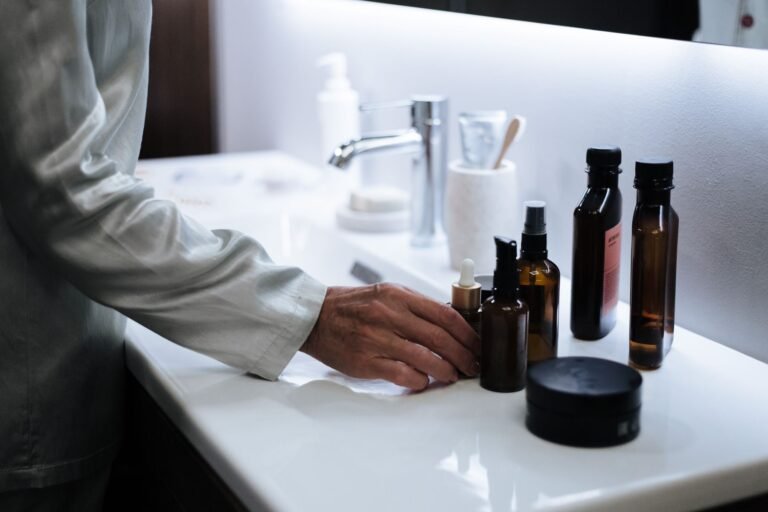
Storing Skincare Products: The Mistakes That Let Heat and Light In
Storing skincare products: the mistakes to fix
Most storing skincare products mistakes come down to heat, light and air. Products last longest in a cool, dry, dark place with the lid closed, and they break down faster on a sunny windowsill, in a hot car or in a steamy bathroom.
That matters for more than waste. A product that has broken down may stop doing its job, and some can irritate skin once they change. Here are the habits that cause most of the trouble.
Leaving sunscreen in the car or the sun
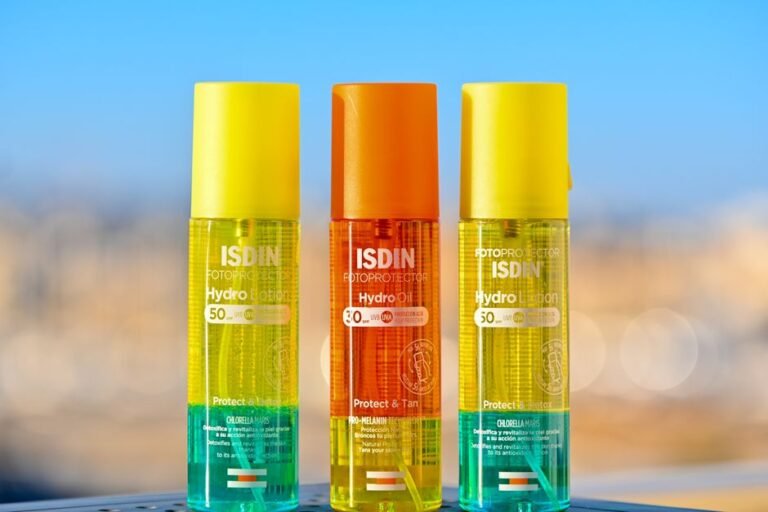
This is the one with real consequences. The American Academy of Dermatology notes in its advice on when to toss makeup and sunscreen that heat, whether from direct sunlight or a hot, closed car, can make sunscreen ingredients break down before the expiration date. A sunscreen that has broken down may not protect you the way the label says. Keep it in your bag in the shade, not on the dashboard, and wrap it in a towel at the beach.
Displaying products on a sunny shelf
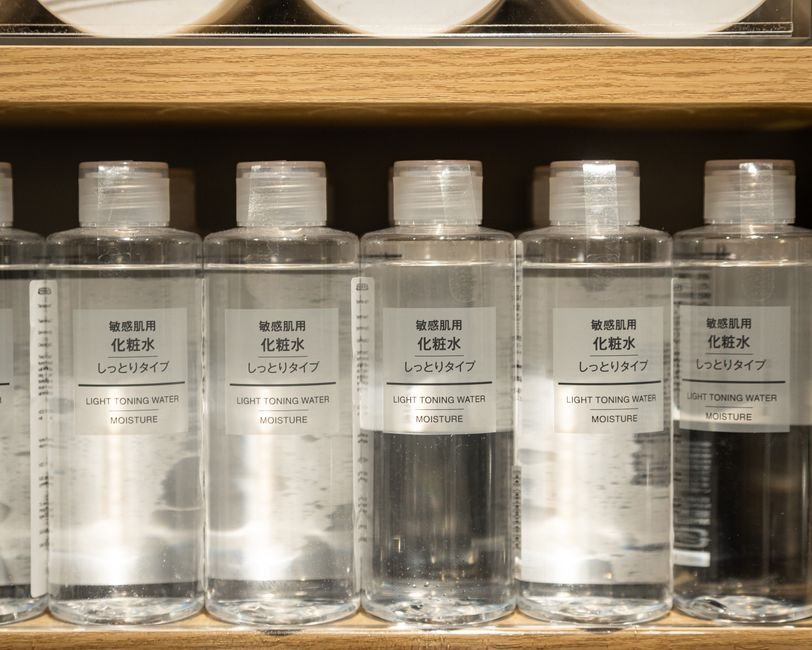
Clear bottles lined up by a window look tidy, but light can degrade some ingredients. Retinol and vitamin C are two well-known examples, which is why they often come in opaque or tinted packaging. Our explainer on what retinol does covers why it is usually a night product for the same reason. Keep products in their original packaging and store them away from direct light.
Keeping everything in a steamy bathroom
Heat and humidity from daily showers can speed up changes in texture and encourage germs in jars. If your bathroom gets warm and damp, a bedroom drawer or cupboard is often a better home for the products you don’t use every day.
Leaving lids off and fingers in
Air exposure and dipping fingers into jars both shorten a product’s life. Close caps right after use, and use a clean spatula or wash your hands before scooping from a tub.
Losing track of when you opened it
Many products carry a small open-jar symbol with a number and the letter M, showing how many months it is meant to last after opening. Sunscreen carries an expiration date. Writing the opening date on the container with a marker takes seconds and removes the guesswork.
Putting skincare in the fridge without checking
A cool spot is good; a fridge isn’t always better. Some creams separate or change texture when cold. Unless the label says to refrigerate, a cool cupboard is enough.
How to tell a product has turned
Look for a change in color, smell or texture, separation that doesn’t mix back in, or a product that suddenly stings. If your skin reacts, stop using it. If a rash or irritation doesn’t settle after you stop, see a dermatologist or your doctor. Signs of a product breaking down also make it harder to judge whether it is working, something we cover in our guide on telling whether a skincare product is working.
Today, move your sunscreen out of the car and your clear bottles off the windowsill.